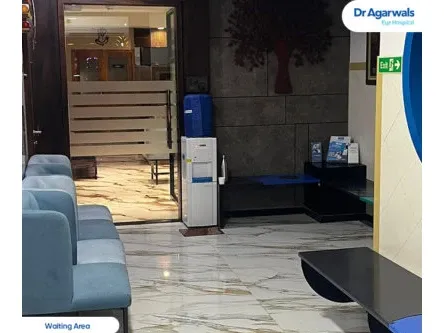
Dr Agarwals Eye Hospital - Thane, Maharashtra
Address
1st floor, 102, Soham Plaza, Tikuji Ni Wadi Rd, near Manpada Flyover, next to Titan Hospital, Manpada Naka, Manpada, Thane West, Thane - 400607
Opening Hours
Mail ID
care@dragarwal.com
Phone
Eye Treatments Available at Dr Agarwals Eye Hospital
Oil Drop Cataracts
Oil Drop Cataracts: A Guide to Causes, Symptoms, and Treatment
Oil drop cataracts are a rare but distinctive type of lens opacity often associated with metabolic disorders such as galactosemia. They get their name from their striking appearance under examination, resembling a drop of oil within the lens.
Early recognition is important, as some forms can be managed with dietary intervention, while others may require surgery to restore vision. This guide explains the key symptoms, causes, diagnostic tools, and available treatments for oil drop cataracts
Oil Drop Cataracts: A Guide to Causes, Symptoms, and Treatment
Oil drop cataracts are a rare but distinctive type of lens opacity often associated with metabolic disorders such as galactosemia. They get their name from their striking appearance under examination, resembling a drop of oil within the lens.
Early recognition is important, as some forms can be managed with dietary intervention, while others may require surgery to restore vision. This guide explains the key symptoms, causes, diagnostic tools, and available treatments for oil drop cataracts
Symptoms of Oil Drop Cataracts
Blurred Vision
Blurred or cloudy vision is one of the earliest and most common symptoms of oil drop cataracts. Patients may describe it as looking through a smudged or dirty lens. This is due to the irregular refraction of light caused by the central opacity within the lens.
Monocular Diplopia
Some individuals experience monocular diplopia, meaning double vision in one eye, even when the other eye is closed. This occurs because the abnormal lens opacity splits incoming light into separate images, resulting in ghosting or overlapping visuals.
Myopic Shift
A noticeable shift towards near-sightedness (myopia) may occur. Patients often find themselves needing stronger glasses for distance vision. This happens when the lens opacity alters the refractive power, making it harder to focus on far objects.
Diagnostic Tools
Diagnostic tools for oil drop cataracts include slit-lamp examination and retinoscopy. While a slit-lamp may reveal subtle lens changes, retinoscopy is essential, as it shows the classic “oil droplet” reflex, helping ophthalmologists confirm the condition with accuracy.
Diagnosis of Oil Drop Cataracts
The diagnosis of oil drop cataracts relies on clinical evaluation by an experienced ophthalmologist. Through eye examination, history-taking, and specialised tests like retinoscopy, doctors can identify the distinctive oil droplet sign, differentiate it from other cataracts, and plan treatment.
Slit-Lamp Examination
During a slit-lamp examination, subtle changes in the central lens nucleus may be seen. However, in many cases, the oil drop cataract is faint and can be overlooked without careful assessment, especially in its early stages.
Retinoscopy
Retinoscopy is the most important diagnostic tool. It reveals the characteristic “oil droplet” or “scissoring” reflex against the red reflex of the retina. This finding is considered pathognomonic and helps distinguish oil drop cataracts from other lens opacities
Causes of Oil Drop Cataracts
Galactosemia
The most recognised cause is galactosemia, an inherited metabolic disorder in which the body cannot properly metabolise galactose, a sugar found in milk and dairy products. Accumulated galactose leads to the development of cataracts in infants and young children.
Enzyme Deficiency
Galactosemia and similar conditions occur due to deficiencies in specific enzymes, such as galactose-1-phosphate uridyltransferase. Without these enzymes, the body cannot process galactose correctly, setting the stage for lens damage.
Galactitol Accumulation
Unmetabolised galactose is converted into galactitol, a sugar alcohol. Because the lens cannot easily expel galactitol, it accumulates, drawing water into the lens fibres. This swelling distorts the lens, producing the oil drop appearance.
Osmotic Damage to the Lens
The build-up of galactitol creates osmotic stress, causing water to enter the lens. Over time, this disrupts the precise arrangement of lens fibres, leading to opacity and reduced clarity of vision.
Inherited Metabolic Disorders
Oil drop cataracts are strongly linked to inherited metabolic disorders, particularly galactosemia. These conditions result in abnormal metabolites circulating in the blood and accumulating in the lens, producing the distinctive oil drop sign.
Idiopathic
In some adults, oil drop cataracts appear without an identifiable metabolic disorder. These idiopathic cases are less common but highlight that not all patients with oil drop cataracts have galactosemia or related conditions.
Conclusion
Oil drop cataracts are a distinctive form of cataract often linked to metabolic conditions like galactosemia, but may also appear without a clear cause. Their unique diagnostic sign, visible through retinoscopy, makes accurate diagnosis possible when clinicians are alert.
Early detection is critical, as some cases respond well to dietary changes in infancy, while others require cataract surgery for lasting visual recovery. Suppose you or your child shows symptoms of blurred vision, double vision, or a sudden change in prescription. In that case, it is important to consult an experienced ophthalmologist for timely diagnosis and treatment.