
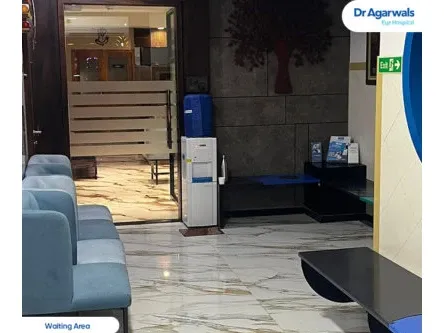
Dr Agarwals Eye Hospital - Thane, Maharashtra
Address
1st floor, 102, Soham Plaza, Tikuji Ni Wadi Rd, near Manpada Flyover, next to Titan Hospital, Manpada Naka, Manpada, Thane West, Thane - 400607
Opening Hours
Mail ID
care@dragarwal.com
Phone
Eye Treatments Available at Dr Agarwals Eye Hospital
Nystagmus
Nystagmus Treatment
Understanding Involuntary Eye Movement
Nystagmus causes repetitive, uncontrollable eye movements that can affect visual clarity and stability, and may be present from birth or develop later in life.
A Range of Underlying Causes
The condition can stem from neurological, visual, or inner ear factors, requiring a thorough evaluation to understand its origin.
Supportive, Individualised Management
While nystagmus cannot always be cured, our team offers strategies including corrective lenses, low vision aids, and select surgical options to improve visual function.
Support Beyond the Eye Exam
Given the range of possible causes, our specialists may coordinate with neurology or other specialists where appropriate, ensuring a well-rounded approach to your care.
Our Diagnostic Approach
A detailed neurological and visual assessment helps our team understand the pattern of movement and identify any contributing factors.
What is Nystagmus?
Nystagmus is a neurological eye condition that causes involuntary, repetitive eye movements, making it difficult for an individual to focus on objects. These movements can be horizontal (side-to-side), vertical (up-and-down), or rotational (circular) and often lead to blurred vision, dizziness, light sensitivity, and poor depth perception. The severity of nystagmus varies from person to person, and it can be congenital (present at birth) or acquired later in life.
Individuals with nystagmus may adopt head tilts or unusual postures to reduce symptoms and improve focus. The condition can also be linked to abnormal eye movements, vestibular system dysfunction, or underlying neurological disorders. In some cases, nystagmus causes in adults include brainstem injuries, inner ear disorders, multiple sclerosis, or even medication side effects.
How Common is Nystagmus?
Nystagmus is more common than most people realize, affecting both children and adults. In babiles, wobby eyes in babies may be an early sign of congenital nystagmus. In contrast, adults may develop nystagmus due to head trauma, neurological conditions, or prolonged use of certain medications that affect the nervous system.
Symptoms of Nystagmus Eyes
Nystagmus symptoms can vary depending on the type, severity, and underlying cause of the condition. The most common symptom is uncontrolled, jerky eye movements, but there are other associated vision problems:
- Blurred or unstable vision
Difficulty focusing on objects, especially at a distance.
- Light sensitivity (Photophobia)
Increased discomfort in bright environments.
- Dizziness and poor balance
Many individuals with nystagmus experience motion sickness or vertigo due to unstable vision.
- Head tilting or unusual postures
People often adjust their head position to find a null point where eye movements are minimized.
- Eye strain and fatigue
Constant involuntary movement makes reading, driving, and concentrating on tasks challenging.
In infants, wobbly eyes in babies may be an early symptom, which should be evaluated by an eye specialist as soon as possible.
Causes of Nystagmus
Nystagmus can be caused by a wide range of neurological, genetic, and environmental factors. Some of the most common nystagmus causes include:
Congenital disorders
:
Infantile nystagmus syndrome (INS) is present from birth and is often linked to genetic mutations, optic nerve abnormalities, or developmental delays.
Inner ear disorders
:
The vestibular system controls balance, and disruptions in inner ear function can lead to abnormal eye movements associated with pendular nystagmus.
Neurological diseases
:
Conditions like multiple sclerosis, stroke, brain tumors, and Parkinson’s disease can trigger involuntary eye movements.
- Head injuries
Brainstem or cerebellar damage from trauma can lead to acquired nystagmus.
- Medication side effects:
Certain drugs, including anti-seizure medications, sedatives, and alcohol, can cause temporary or permanent nystagmus.
In adults, nystagmus causes in adults often involve neurological dysfunction, vestibular system disorders, or severe vision impairment.
Risk Factors for Nystagmus
Several factors can increase the risk of developing nystagmus, including:
Genetic predisposition:
Some forms of nystagmus are hereditary.
Neurological conditions:
Diseases like multiple sclerosis, stroke, and Parkinson’s disease can lead to abnormal eye movements.
Inner ear problems:
Vestibular system dysfunction is a common cause of pendular nystagmus.
Alcohol and drug use:
Excessive alcohol consumption or certain medications can trigger temporary nystagmus.
Tests for Nystagmus
Diagnosing nystagmus requires a comprehensive nystagmus test to evaluate eye movement patterns and underlying causes. Eye specialists perform various assessments, including:
Ophthalmologic Examination:
A thorough eye checkup to assess visual acuity, eye alignment, and pupil response.
Neurological Evaluation:
Examining the brainstem and vestibular system to detect any neurological disorders causing abnormal eye movements.
Electrooculography (EOG):
A test that records eye movement patterns and electrical activity in the eye muscles.
MRI or CT Scans:
Used to rule out brain abnormalities, tumors, or multiple sclerosis as potential causes.
How to Check Nystagmus:
Simple observation of eye movements under different lighting conditions and head positions can help detect nystagmus symptoms.
How to Prevent Nystagmus?
Preventing nystagmus depends on its underlying cause. While congenital nystagmus cannot always be prevented, certain lifestyle changes can reduce the risk of acquired nystagmus. Maintaining good eye health, avoiding excessive alcohol consumption, managing neurological conditions, and reducing exposure to medications that affect the nervous system can help lower the risk. Nystagmus eye exercises, such as focusing on a fixed object and practicing slow eye tracking, may help improve stability and visual function. Regular eye checkups can also aid in early detection and management.
Treatment for Nystagmus Eyes (Eye Dandruff Treatment)
There is no universal cure for nystagmus, but various nystagmus treatments can help reduce symptoms and improve vision. The best approach depends on the type and severity of the condition.
1. Corrective Lenses & Contact Lenses
Wearing glasses or specialized contact lenses can enhance vision clarity by reducing abnormal eye movements and improving focus. Contact lenses are often preferred over glasses, as they move with the eyes, providing a more stable field of vision.
2. Medications & Therapies
Certain medications, such as gabapentin and memantine, have shown effectiveness in reducing nystagmus symptoms. Botox injections are sometimes used to temporarily paralyze overactive eye muscles, leading to improved focus. Vision therapy and nystagmus eye exercises may also be recommended to strengthen eye coordination.
3. Surgical Options
In severe cases, surgical intervention may be considered. Tenotomy surgery involves repositioning the eye muscles to reduce the severity of jerky eye movements, while optic nerve stimulation procedures are being explored as potential treatments.
When to See an Eye Specialist?
Anyone experiencing persistent involuntary eye movements, blurred vision, dizziness, or difficulty maintaining focus should consult an eye specialist immediately. Nystagmus causes in adults often stem from underlying neurological disorders that require prompt medical attention. In infants, if wobbly eyes in babies persist beyond the first few months of life, an early diagnosis can help in managing vision development. Regular eye checkups can help detect abnormal eye movements and initiate appropriate nystagmus treatment for better visual function.