
Address
E-2/66 Arerra Colony, 10 No. market,
Arera Colony,
Bhopal - 462016
Mail ID
care@dragarwal.com
Eye Diseases Treated at Dr Agarwals Eye Hospital
Behcet’s Disease
What is Behcet’s Disease?
Behcet’s Disease, also called Silk Road Disease, is an autoimmune disease in which the blood vessels of your body get inflamed (a defense reaction of your body to any stimulus).
Symptoms of Behcet's Disease
Below we have mentioned some of the many symptoms of Behcet’s disease:
A group of four symptoms are commonly known to occur in this disease: Mouth ulcers, Genital Ulcers, Skin problems and Inflammation inside your eye. Your joints, digestive system and nervous system may also be affected.
Inflammation inside your eyes can cause uveitis (uvea is the area around your pupil), retinitis (retina is the light-sensitive tissue in your eye) and iritis (iris is the coloured part of your eye).
- Blurry vision
- Pain
- Sensitivity to light
- Redness
- Tearing
- Blindness may be seen sometimes when your retina does not get enough blood supply
Causes of Behcet's Disease
What causes your own body’s cells to attack the blood vessels is not exactly known. People of Asian and Eastern Mediterranean origin are found to suffer more frequently. Men are affected more commonly than women and especially so during their 20s and 30s. Genetic factors combined with environmental factors like microbes are thought to play a role.
Tests for Behcet’s Disease Triad
- Ophthalmoscopy (a test to see the back of your eye)
- Fundus Fluorescein Angiography (A test to see the blood vessels in your eye)
- Duplex and color Doppler sonography may be useful
- Skin tests (called Pathergy test), MRI Brain, GIT tests etc. may be required depending on the symptoms.
Treatment for Behcet’s Disease
There is no specific cure for this disease. However, when it comes to treatment for behcet’s disease, it consists of medications to reduce your discomfort, control the Inflammation of your and prevent severe complications. Medications include steroids to suppress the errant immune system, colchicine etc. Steroid eye drops and steroid injections next to your eye may be given.
Likely outcome of Behcet’s Disease (Prognosis)
This Behcet syndrome triad is marked by its long term duration and recurrence. However, you may have periods when you go into remission (your symptoms go away temporarily). The severity of your disease may vary from you even leading a normal life to becoming blind and severely disabled. Vision loss may be kept in control by keeping the disease in remission.
Cataract
What is Cataract? Symptoms & Treatment
An eye cataract forms when the lens of the eye becomes cloudy, making it harder to see clearly. The lens, which is normally clear, helps focus light on the retina to produce sharp vision. When it becomes cloudy, it can cause cataract symptoms like blurry vision, glare, and trouble with night driving. Although common in older adults, eye cataracts can also be caused by injuries, medical conditions, or prolonged UV exposure. Cataracts progress slowly but can be effectively treated with modern surgical techniques.
The Most Common Cataract Symptoms Include:
Cataract symptoms vary depending on the type and stage of the cataract. Common cataract signs and symptoms in the eye include:
- Cloudy or Blurred Vision: Objects may appear fuzzy, and vision may feel foggy or unclear.
- Sensitivity to Light and Glare: Bright sunlight, headlights, or even indoor lighting can cause discomfort and difficulty seeing.
- Poor Night Vision: Difficulty seeing in low light or during nighttime activities, such as driving, is common.
- Fading or Yellowed Colors: Colors may lose their vibrancy, appearing dull or washed out.
- Halos Around Lights: Seeing halos or rings around bright lights, especially at night.
- Double Vision in One Eye: Some patients report seeing double images due to the clouded lens.
What are the Causes of Cataract?
There are several causes of cataract, with aging being the most common. Other factors that lead to the formation of cataracts include:
- Aging: Natural changes in the lens cause protein breakdown and cloudiness, resulting in cataracts.
- Eye Injuries: Trauma to the eye can lead to cataract formation, either immediately or years later.
- Family History: A family history of cataracts increases the risk.
- Medical Conditions: Conditions like diabetes significantly increase the likelihood of developing cataracts.
- UV Exposure: Prolonged exposure to ultraviolet rays without proper eye protection can damage the lens.
- Steroid Use: Long-term use of corticosteroids can accelerate cataract formation.
- Smoking and Alcohol: Both habits contribute to oxidative damage in the eye and increase the risk of cataracts.
Cataract Risk Factors
The risk of developing cataracts increases due to several factors. Common cataract risk factors include:
- Aging: The natural aging process is the leading cause of cataracts.
- Genetics: A family history of cataracts can increase your likelihood of developing them.
- Medical Conditions: Diabetes is a major risk factor due to its impact on eye health.
- Prolonged UV Exposure: Without proper eye protection, UV light can damage the lens.
- Smoking: Smoking introduces harmful chemicals that damage the eyes.
- Obesity: Being overweight is linked to higher chances of cataracts.
- Alcohol Consumption: Heavy alcohol use can contribute to cataract formation.
How to Prevent Eye Cataract
While not all cases of cataracts can be prevented, adopting healthy habits can help delay their onset. Here’s how you can reduce your risk of developing eye cataract symptoms:
- Wear UV-Protective Sunglasses: Protect your eyes from the harmful effects of ultraviolet light.
- Maintain a Balanced Diet: Include antioxidant-rich foods like leafy greens, carrots, and citrus fruits in your meals.
- Quit Smoking: Smoking damages eye tissues and contributes to cataract formation.
- Control Medical Conditions: Proper management of diabetes and other health issues can reduce the risk of cataracts.
- Limit Alcohol Consumption: Reducing alcohol intake helps protect overall eye health.
- Regular Eye Check-Ups: Routine eye exams allow for early detection and management of cataracts.
Post-Surgery Care and Recovery Tips
To ensure proper healing after cataract surgery, follow these tips:
- Wear Protective Eyewear: Use goggles or wraparound glasses to protect your eyes from dust and sunlight during waking hours.
- Use Prescribed Eye Drops: Follow the schedule recommended by your doctor to prevent infection and reduce inflammation.
- Avoid Touching or Rubbing Your Eyes: This prevents irritation or the risk of infection.
- Avoid Strenuous Activities: Refrain from heavy lifting or exercise for the first few weeks.
- Attend Follow-Up Appointments: Regular check-ups ensure the eye is healing properly.
Most patients experience improved vision within a week, with full recovery in 4-6 weeks.
Cataract Diagnosis & Treatment
For a safe and effective medical treatment of cataract, Dr Agarwals Eye Hospital is a one-stop solution. We provide a safe eye cataract treatment based on the type of cataract, including cortical cataract, intumescent cataract, nuclear cataract, posterior subcapsular cataract, rosette cataract, and traumatic cataract. We also provide paediatric cataract treatment and effectively cater to complicated cataract treatment.
Reach out to our team for thorough analysis, treatment options, and prevention tips!
Cataract Diagnosis
The eye care specialists of our hospital diagnose cataract with a comprehensive eye examination. To identify cataract, your eye doctor analyses your medical history. If you experience vision difficulties, they also look for such signs and symptoms through some tests before cataract treatment that include:
- Retinal Examination
For better examination of your eyes, eye specialists use eye drops to widen your pupil. It allows them to get a closer view of your retina.
With an ophthalmoscope, eye doctors look for the visible signs of cataract and proceed with the treatment accordingly.
- Visual Acuity Test
In this eye examination, your eye doctor uses an eye chart to understand your vision and ability to read letters from a distance. They perform this test individually on each eye with one eye covered and similarly on the other. If they diagnose any signs of cataract, they proceed with the suitable cataract treatment.
- Slit Lamp Examination
A slit lamp is an instrument with a high-intensity light beam that allows them to see the structures of your eyes better under magnified glasses. They examine the cornea, lens, iris, and other parts of your eyes. With this slit lamp, eye doctors even analyse the small sections, making it easier to detect minor problems.
Cataract Treatment
Cataract is a common eye problem and people get this problem as they age. When you start realising its symptoms, contact the experts of Dr Agarwals Eye Hospital for early cataract treatment. Here are cataract treatment options:
- Eyeglasses
In the initial stage, when you don’t have any vision difficulty, your eye doctor prescribes eyeglasses to correct your vision.
Cataract Surgery
If the symptoms of cataract start impacting your day-to-day chores, then cataract eye surgery is the only effective option for cataract treatment to root out its symptoms. This surgery is also effective for congenital cataract treatment.
Laser Surgery
When eye doctors determine that your cataract is dense and find difficult to create an opening, they rely on laser treatment for cataract.
What Happens in Traditional Cataracts and Laser Cataracts Surgery?
When you visit Dr Agarwal’s Eye Hospital, our doctors discuss with you and acquaint you with the cataract operation procedure of working.
- Traditional Cataract Surgery
In the traditional cataract treatment procedure, eye care specialists numb the area around your eyes with local anaesthesia before the cataract eye surgery, but you are awake throughout. Under this cataract operation, eye surgeons remove the clouded lens using a microsurgical instrument and replace it with an artificial intraocular lens (IOL).
- Laser Cataracts Surgery
There are here some laser-assisted surgery options to restore your vision:
2(a) Corneal Incision
For the cataract treatment, doctors make an incision through femto laser cataract surgery to access and remove the cataract from your eyes.
The surgeon creates a precise surgical plane for the corneal incision. It is done with a sophisticated 3-D image eye image called an OCT scan. Doctors aim to create an incision in a specific location with accurate depth and length in all planes. With the OCT image and a femtosecond laser, it can be performed exactly.
2(b) Capsulotomy
The blurriness of vision occurs after years later because the eye’s lens capsule gets cloudy. This capsule holds the IOL in its original position. To open this cloudy capsule, doctors may use a laser, which helps you restore your vision. This process of cataract treatment is called capsulotomy.
2(c) Cataract Fragmentation
Under laser cataract surgery, your provider uses a laser for better precision to remove the affected lens for IOL cataract surgery. Once they create an opening, this laser beam triggers the cataract to soften and fragment it easily. This process of cataract treatment is done with help of phacoemulsification probe using ultrasound & mechanical energy.
If your cataract gets hard, it may require more energy. This may increase the chances of more collateral tissue damage as compared to soft cataract. However, our surgeon takes all necessary precautions to lower such tissue damage and perform cataract eye surgery carefully.
Post-Surgery Care Tips
During the cataract operation, patients feel little to no pain. To recover faster after a cataract operation, here are some tips:
- After a cataract operation, you may feel some irritation in your eyes. It is essential to shield your eyes with eyeglasses and avoid dirt or dust affecting your eyes after cataract treatment.
- Do not perform activities like heavy weightlifting to avoid additional eye pressure after cataract removal surgery.
- After a cataract operation, you may see things brighter, so it is essential to avoid driving.
- Take the necessary precautions your doctor suggests and take medications as a cataract cure promptly.
Cataract Prevention Tips
Since cataract is an age-related problem, you can follow the below cataract precaution tips to protect your vision:
- Limit your eyes’ exposure to the sun, and wear sunglasses to block sun rays if needed.
- Refrain from indulging in any physical activities (basketball, football, or more) that may cause eye injury. To prevent accidental injury, wear eye protective glasses.
- Say no to smoking as you may increase the chance of developing cataracts three times more than non-smokers.
- Go for regular eye checks to detect any symptoms of eye-related problems at the earliest.
We at Dr Agarwal’s Eye Hospital provide comprehensive treatment for various eye diseases. The diseases are listed here:
To treat your eye-related problems, our eye treatment or surgery options include the following:
Photorefractive Keratectomy (PRK)
Implantable Collamer Lens (ICL)
Retinal Laser Photocoagulation
If you experience blurry vision or glares around lights, immediately schedule your appointment with the eye doctors of Dr Agarwal’s Eye Hospital! With an in-depth examination of your eyes using state-of-the-art facilities, we are committed to offering the best eye care treatment.
Note: Eye cataract operation costs may vary depending on the treatment you seek for. Book your consultation with us today for the best cataract treatment!
Conjunctivitis
What is Conjunctivitis?
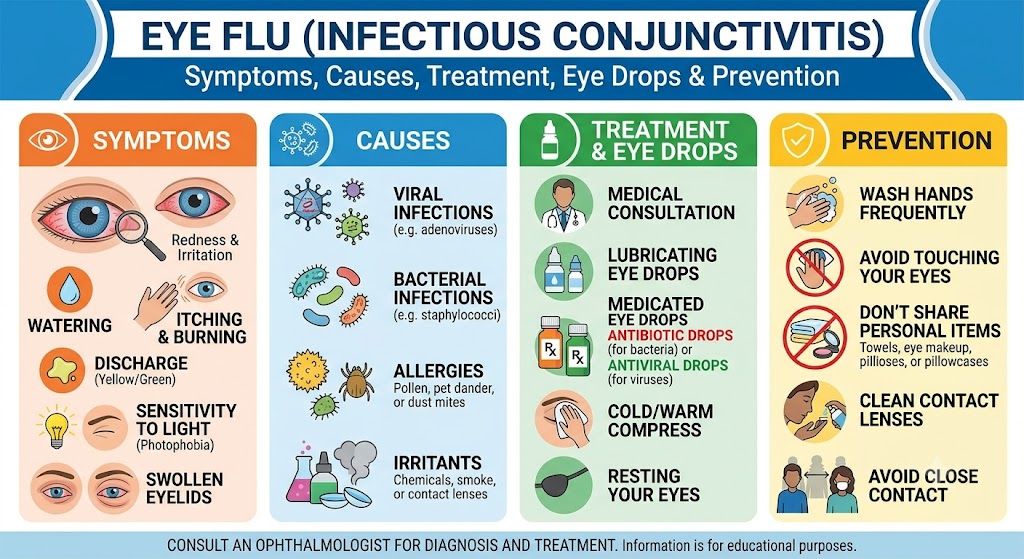
Inflammation of the conjunctiva (Transparent membrane covering white part of the eye) is called Conjunctivitis. It is a condition where the eye turns red. Allergic conjunctivitis is caused due to allergy. The agents which cause allergies are known as allergens. Every individual is allergic to one or other substance in the environment. The most common allergens are dried grass, pollen grains etc. List of allergens are endless and individual specific. When an individual who is prone for allergy; get exposed to allergens, it causes release of some chemicals in tissue e.g. Histamines by allergy mediating cells like Mast cells. It causes itching, redness, and watering from eyes. Allergic conjunctivitis is not contagious unlike the traditional red eye or infective conjunctivitis.
Symptoms and Signs of Conjunctivitis
Below we have mentioned some of the many signs of allergic conjunctivitis:
- Itching
- Watery eyes
- Redness & swelling
- Foreign body sensation
- Discomfort to light
How can it be diagnosed?
Routine examination by an eye doctor is sufficient. Some signs are very specific for allergic conjunctivitis like papillae, ropy discharge, limbal hyperplasia. To find out specific allergens, Allergy test can be done in individuals who are prone for generalized systemic allergy like asthma, eczema, Atopy etc. Otherwise, such tests are not recommended as avoidance to these allergens is practically cumbersome in routine life.
List of allergens
- Pollen grains
- Dust
- Cosmetics (Kajal, eye liners, Mascara etc)
- Air pollution
- Smokes
- Eye drops (used for longer period like Anti glaucoma drops etc.)
Types of Allergic Conjunctivitis
- Seasonal allergic conjunctivitis & perennial allergic conjunctivitis (Most common types)
- Vernal keratoconjunctivitis (More common in Children)
- Giant papillary conjunctivitis (More common in daily contact lens users)
- Phlyctenular keratoconjunctivitis (Hypersensitivity to Staph. Aureus, TB bacilli)
How can it be treated? Know More About Allergic Conjunctivitis Treatment.
Before getting to allergic conjunctivitis treatment, it is imperative to understand that complete cure of allergy is not feasible, but symptoms of allergy can be suppressed with the help of medicines. Rubbing of eyes due to itching causes more trouble to eyes than allergy itself, so intense rubbing of eyes should be avoided.
Avoidance of allergens is the IDEAL treatment but it’s easier to say than done as it will severely hamper lifestyle and quality of life. How long the allergic conjunctivitis lasts depend on the type, severity and the treatment taken along with the compliance for the treatment.
Medicines in the form of eye drops like mast cell stabilizers (Olopatadine, Sodium Cromoglycate), antihistamines (Ketotifen, Bepotastine), NSAID ( ketorolac), Steroids (loteprednol, FML, Difluprednate, Prednisolone etc), immune modulators (Cyclosporine, Tacrolimus eye ointment), are useful in treating allergic conjunctivitis.
Any eye drops should not be started without an ophthalmologist's opinion to avoid its side effects.
Using sunglasses while going out, cold compression can alleviate allergic symptoms and serve as a useful home remedy for eye itching.
Cornea Transplantation
What is Cornea Transplantation?
A corneal transplant involves surgically removing the patient’s diseased cornea and replacing it with a donated corneal tissue. This improves the vision in conditions where blurring is due a corneal pathology generally after trauma, after infection and congenital or genetic corneal disorders. After eye donation cornea is removed from the donor eye ball and used during cornea transplantation
Risk factors of Cornea Transplantation
Just like any other eye surgery there can be some risks associated with cornea transplantation like infections, retinal swelling etc. Besides in some of these cases there is also the risk of body rejecting the donor cornea. Most of the times the risks associated with the cornea transplant are unique to each individual and your cornea specialist can explain to you in detail after assessing the condition of your eye and the cornea.
When is a Corneal Transplant Needed?
Cornea is a transparent layer on the front of your eye which helps to converge the light rays onto the retina for clear vision. Any kind of cloudiness of cornea can interfere with clear vision.
A cornea transplant is advised by an eye specialist when there is decreased vision due to corneal pathology like corneal scars and opacities, advanced keratoconus where other treatment options are not possible, severe corneal infections, etc. A cornea transplant can restore vision although a need for glasses or contact lens may be there to correct refractive errors.
Who Performs Corneal Transplant Surgery?
An eye surgeon with a special training in corneal transplantation and having the license to transplant human tissues can perform corneal transplants.
What are the Types of Cornea Transplantation?
Cornea transplantation can be full thickness or partial thickness. The choice of procedure is dependent on the patient’s corneal disease. For example, if the cornea is scarred in all the layers then a full thickness transplant called penetrating keratoplasty is done whereby all the layers of patient’s cornea are replaced by the donor cornea and sutured in place. In contrast in other conditions like post cataract surgery corneal edema where only the back layer of cornea is damaged. In this condition only the back layer is replaced with donor’s corneal back layer in a procedure called as DSEK/DMEK.
Corneal Ulcer (Keratitis)
What is Corneal Ulcer (Keratitis)?
A corneal ulcer (keratitis) is an erosion or an open sore on the cornea which is the thin clear structure of the eye that refracts light. If the cornea becomes inflamed due to infection or injury, an ulcer may develop.
Symptoms of Corneal Ulcer (Keratitis)
- Redness
- Pain
- Watering
- Gritty sensation
- Blurry vision
- Discharge
- Burning
- Itching
- Light sensitivity
Causes of Corneal Ulcer (Keratitis)
- Contact lenses – contaminated solution, poor hygiene, over usage, sleeping with contact lenses on, using tap water or swimming with contact lens on. Wearing lenses for extended periods blocks the supply of oxygen to the cornea, making it susceptible to infections.
- Trauma – chemical injury, thermal burn, bee sting, animal tail, makeup or vegetative matter like the branch of a tree, sugarcane
- Post-surgery – delayed healing, loose sutures
- Lid deformities – inward or outward turning of eyelid, misdirection of eyelashes constantly rubbing over the cornea, incomplete closure of eyes
- Decreased nerve supply to the cornea – seen in diabetics and bell’s palsy patients
- Allergic conjunctivitis
- Vitamin A deficiency
- Prolonged use of eye drops – corticosteroids
- Severe dry eyes – caused by medical conditions like diabetes mellitus, thyroid disorder, vitamin A deficiency, rheumatoid arthritis, Sjogren syndrome, Stevens-Johnson syndrome
Risk factors of corneal ulcer (keratitis)
- Injury or chemical burns
- Eyelid disorders that prevent proper functioning of the eyelid
- Dry eyes
- Contact lens wearers
- people who have or have had cold sores, chicken pox or shingles
- Abuse of steroid eye drops
- Diabetics
Corneal Ulcer (Keratitis) Prevention
- Do not sleep with contact lenses on
- Do not overuse contact lenses
- Wash your hands before putting the lenses
- Advised to use daily disposable lenses
- Do not use tap water as lens solution
- While riding a bike, wear eye protection or visor to prevent foreign bodies from entering the eye.
- Do not rub your eye
- Proper instillation of eyedrops. The nozzle of the eye drop bottle should not touch the eye or the finger
- Use artificial tears in case of dry eyes
- Wear protective eyewear when working with wood or metals, especially when using a grinding wheel, hammering on metal, or welding.
- Do not use over-the-counter eye drops
Types of corneal ulcer (keratitis)
Multiple organisms are responsible for development of a corneal ulcer (keratitis).
The types of corneal ulcer (keratitis) are –
- Bacterial – scratches or abrasion with fingernail, paper cuts, makeup brushes over the cornea when left untreated can lead to an ulcer. common in extended wear contact lens wearers
- Fungal – injury to the cornea with any vegetative matter or improper use of steroid eye drops
- Viral – the virus that causes chickenpox and shingles can cause ulcers too
- Parasitic – infection caused by fresh water, soil or long standing contact lens used
Corneal ulcer (keratitis) Diagnosis
The ulcer is carefully examined on the slit lamp microscopy for the analysis of size, shape, margins, sensation, depth, inflammatory reaction, hypopyon and presence of any foreign body. A fluorescein dye is used to stain the ulcera to enhance the features and check for any leak.
Debridement of the ulcer is essential for microbiological evaluation to identify the causative organism. After putting an anaesthetic drop in the eye, the margins and the base of the ulcer is scraped with the help of a sterile disposable blade or needle. These samples are stained and cultured to identify and isolate the organism. Scraping the ulcer also helps in better absorption of the eyedrops.
If the patient is a contact lenses wearer, the lenses will be sent for microbiological evaluation. Random blood sugar levels are to be checked. If the sugars are not in control, a diabetologist opinion is taken as this affects corneal wound healing. A gentle ultrasonography of the affected eye is done to check for any posterior segment pathology.
Diabetic Retinopathy
What is Diabetic Retinopathy?
Diabetic Retinopathy is a serious diabetes-related eye condition that affects the retina, the light-sensitive tissue at the back of the eye. It occurs when high blood sugar levels damage the small blood vessels in the retina, leading to vision impairment and, in severe cases, blindness. This condition progresses gradually, often without noticeable symptoms in the early stages, making regular eye checkups crucial for early detection and management.diabetes-related eye condition.
Symptoms of Diabetic Retinopathy
The signs of diabetic retinopathy often don’t appear until significant damage has occurred inside the eye. Recognizing the symptoms early can help prevent severe vision loss.
1. Blurred Vision or Loss of Vision
As the diabetic retinopathy stages progress, the damaged blood vessels may leak fluid into the retina, causing blurred vision.
2. Seeing Floaters or Dark Spots
Dark spots or floaters appear when bleeding occurs inside the eye due to diabetic retinopathy, blocking light from reaching the retina.
3. Difficulty Seeing at Night
Patients may struggle with night vision due to decreased light sensitivity, which is one of the signs of diabetic retinopathy.
4. Difficulty Distinguishing Colors
As retinal cells become damaged, it may become challenging to differentiate between colors.
What Are the Causes of Diabetic Retinopathy?
The primary diabetic retinopathy causes include prolonged high blood sugar levels and associated conditions. The damage occurs in four stages:
1. Mild Nonproliferative Retinopathy: Small bulges form in the blood vessels, causing leakage.
2. Moderate Nonproliferative Retinopathy: Blood vessels swell and distort, further restricting blood flow.
3. Severe Nonproliferative Retinopathy: Blocked blood vessels deprive the retina of oxygen, leading to new, fragile vessel growth.
4. Proliferative Diabetic Retinopathy:
Advanced stage where new blood vessels form abnormally, leading to severe vision impairment.
Diabetic Retinopathy Risk Factors
Several factors increase the risk of developing diabetic retinopathy:
- Uncontrolled blood sugar levels
- High blood pressure and cholesterol
- Long-term diabetes (Type 1 or Type 2)
- Smoking and poor lifestyle habits
- Pregnancy-related diabetes (Gestational Diabetes)
How to Prevent Diabetic Retinopathy?
Preventing diabetic retinopathy involves maintaining overall eye health and managing diabetes effectively:
- Control blood sugar levels through a healthy diet and medication.
- Monitor blood pressure and cholesterol to reduce strain on blood vessels.
- Have regular eye exams to detect early changes in the retina.
- Quit smoking to improve circulation and eye health.
Stages of Diabetic Retinopathy
The diabetic retinopathy stages progress from mild to severe, requiring close monitoring and treatment:
- 1. Mild NPDR – Tiny swellings in the blood vessels, minor leakage.
- 2. Moderate NPDR – Blood vessel swelling restricts oxygen supply.
- 3. Severe NPDR – Widespread blockage leads to abnormal vessel growth.
- 4. Proliferative Diabetic Retinopathy (PDR) – Risk of hemorrhage and permanent vision loss.
Diabetic Retinopathy Diagnosis
1. Visual Acuity Testing
A standard eye test to measure clarity of vision.
2. Tonometry
Measures intraocular pressure to assess eye health.
3. Pupil Dilation Exam
Drops are used to widen the pupil, allowing the doctor to examine the retina.
4. Optical Coherence Tomography (OCT)
A detailed imaging test that detects retinal swelling and thickness changes.
5. Fundus Fluorescein Angiography (FFA)
A dye is injected into the bloodstream to highlight blood vessel abnormalities in the retina.
Management of Diabetic Retinopathy
Effective management of diabetic retinopathy depends on the severity of the condition:
- Mild cases require regular monitoring and blood sugar control.
- Moderate to severe cases may require laser therapy or injections to reduce swelling.
- Advanced cases often require vitrectomy surgery to remove blood and prevent retinal detachment.
Treatment Modalities
The goal of any treatment is to slow or stop the progression of the disease. In the early stages of non-proliferative diabetic retinopathy, regular monitoring may be the only treatment. Diet and exercise and controlling blood sugar levels can help control the progression of the disease.
Laser: If the disease advances, the blood vessels can leak blood and fluid into the retina, leading to macular edema. Laser treatment can stop this leakage. Focal laser photocoagulation involves using a laser to target a specific leaky vessel in the macula to keep macular edema from worsening. Widespread blood vessel growth in the retina, which occurs in proliferative diabetic retinopathy, can be treated by creating a pattern of scattered laser burns across the retina. This causes abnormal blood vessels to shrink and disappear.
Medical management: Injection of anti VEGF medication into the eye may help to reduce swelling of the macula, slowing vision loss and perhaps improving vision. Steroid injection into the eye is another option to reduce macular swelling.
Surgical management: Vitrectomy involves removing scar tissue and blood from the vitreous fluid of the eye.
Fungal Keratitis
What is Fungal Keratitis?
The eye is made up of many parts that are extremely delicate in nature. This is why we should treat our eyes with the utmost care and keep them safe. Keratitis refers to the infection caused in the cornea which is the clear membrane that covers the color part of the eye and plays a huge role in vision.
Fungal Keratitis as the name suggests is caused by fungal infections in the cornea. This could be because of multiple reasons but an injury to the eye or contact lenses are the most common reasons for fungal keratitis. It causes the corona to swell up and is most common in tropical or subtropical areas. It is also called a fungal corneal ulcer. Fungal keratitis is extremely common in India, especially in south India and if left untreated then fungal keratitis can lead to loss of vision as well.
Fungal Keratitis Symptoms
- Eye pain
- Eye redness
- Discharge from the eyes
- Blurry vision
- Sensitivity to light
- Excess tearing
In case any of these are experienced then there is a chance that you may have fungal keratitis eye infection and one must rush to their eye doctor immediately to check for fungal keratitis. Fungal Keratitis can cause vision loss or blindness if left untreated.
Fungal Keratitis Causes
There are multiple reasons why fungal keratitis may be caused. The most common reason is eye trauma caused by a thorn, plant, or stick. But there are some other ways one could contract fungal keratitis such as
- Eye trauma
- An underlying eye disease
- Weak immunity
- Usage of contact lenses
Fungal keratitis at one point became extremely common amongst contact lens users. Thus it is extremely important that contact lens wearers are extremely cautious with their contact lens usage to avoid fungal keratitis. Contact lenses must be used with utmost care and caution. The doctors at Dr. Agarwal’s can provide you with some great tips on how to take care of your lenses.
Risk factors of corneal ulcer (keratitis)
- Injury or chemical burns
- Eyelid disorders that prevent proper functioning of the eyelid
- Dry eyes
- Contact lens wearers
- People who have or have had cold sores, chicken pox or shingles
- Abuse of steroid eye drops
- Diabetics
Fungal Keratitis Prevention
The best you can prevent fungal keratitis is to ensure that contact lens users ensure the most care with their contact lenses. The most common way to contract fungal keratitis is through mud and vegetable produce thus those who work in agriculture and agriculture-related industries should ensure that they wear eye gear while dealing with the produce.
Fungal Keratitis Diagnosis
The diagnosis of fungal keratitis happens through a simple procedure where the ophthalmologist scrapes a tiny segment of your eye and which is then sent to a laboratory for further testing.
Fungal Keratitis Treatment
The treatment for fungal keratitis primarily involves antifungal medication. The course of fungal keratitis is over several months and involves oral and skin antifungal medication. In case fungal keratitis doesn’t subside because of this medication then in some cases surgeries such as corneal transplantation may be required. Experts at Dr. Agarwal’s can help you battle fungal keratitis and provide the highest possible care for the same!
Glaucoma
What is Glaucoma?
Glaucoma is a silent thief of sight—one of the leading causes of irreversible blindness worldwide. This progressive eye disease damages the optic nerve due to increased intraocular pressure, leading to gradual vision loss. The most alarming part? It often creeps in without noticeable symptoms until significant damage is done.
Understanding glaucoma, its causes, symptoms, and prevention methods can help safeguard your vision.
What Are the Symptoms of Glaucoma?
Glaucoma symptoms vary depending on the type and severity of the condition. While some people may experience gradual vision changes, others may notice sudden and severe symptoms. Below are the warning signs:
1. Loss of Vision
One of the most significant indicators of glaucoma is glaucoma vision deterioration, where blind spots appear in peripheral or central vision.
2. Blurry Vision
Blurred or hazy vision is an early warning sign, especially in angle-closure glaucoma where the pressure spikes suddenly.
3. Persistent Headache
High intraocular pressure can lead to intense headaches, often accompanied by eye pain.
4. Eye Redness
Redness in the eye is another symptom of glaucoma disease, indicating increased intraocular pressure or inflammation.
5. Stomach Upset, Nausea, and Vomiting
In acute cases, sudden pressure spikes can lead to nausea and vomiting, often misattributed to other conditions.
6. Pain in the Eye
Discomfort or severe pain in the eye may indicate phacolytic glaucoma or phacomorphic glaucoma, where lens changes obstruct normal fluid drainage.
7. Early Presbyopia
Difficulty focusing on nearby objects may suggest early onset of eye disorders linked to glaucoma.
Causes of Glaucoma
Several factors contribute to glaucoma. While some are hereditary, others arise due to lifestyle and medical conditions. Glaucoma Causes Included:
1. Build-up of Aqueous Humor Inside the Eye
The eye maintains internal pressure by producing and draining aqueous humor. A blockage in this drainage system can lead to excessive pressure.
2. Genetic Reasons
Family history significantly increases the risk of developing glaucoma symptoms over time.
3. Birth Defects
Congenital defects in the eye’s drainage system can cause childhood glaucoma.
4. Blunt or Chemical Injury
Trauma or exposure to harmful chemicals can disrupt the normal flow of fluids inside the eye.
5. Acute Eye Infection
Certain infections cause inflammation and scarring, leading to glaucoma disease.
6. Blockage by Blood Vessels Inside the Eye
Poor circulation can cause vessel blockages, increasing the risk of glaucoma vision loss.
7. Inflammatory Conditions
Autoimmune diseases like uveitis can trigger secondary glaucoma.
Glaucoma Risk Factors
Are you at risk? Identifying these factors can help with early detection and prevention.
1. Are You Over 60 Years of Age?
Age is a significant risk factor, as the drainage system naturally weakens over time.
2. Have High Internal Eye Pressure?
Elevated intraocular pressure is a primary contributor to glaucoma.
3. Have a Family Member Diagnosed with Glaucoma?
A strong genetic link exists, making family history a key risk factor.
4. Have Certain Medical Conditions?
Diabetes, hypertension, and anemia increase glaucoma susceptibility.
5. Have Thin Corneas?
Thin corneas lead to inaccurate pressure readings, masking high intraocular pressure.
6. Have Extreme Nearsightedness or Farsightedness?
Severe refractive errors alter the eye’s anatomy, increasing glaucoma risk.
7. Have Had Eye Injuries or Surgeries?
Trauma and surgical procedures can alter fluid dynamics inside the eye.
8. Taking Corticosteroids for a Long Time?
Prolonged steroid use can trigger secondary glaucoma.
How to Prevent Glaucoma
While glaucoma cannot be completely prevented, early detection and lifestyle changes can slow its progression.
1. Have Eye Checkups Often
Routine exams help detect glaucoma symptoms before irreversible damage occurs.
2. Be Aware of Your Family’s Medical History
If glaucoma runs in your family, regular screenings are essential.
3. Keep Fit and Eat Healthy
A diet rich in leafy greens, omega-3 fatty acids, and antioxidants promotes eye health.
4. Protect Your Eyes While Performing Tasks That Could Cause Injuries
Wearing protective eyewear during sports or hazardous activities prevents trauma-induced glaucoma.
Glaucoma is a serious but manageable condition if diagnosed early. Prioritizing regular eye exams, understanding risk factors, and taking preventive measures can help protect your sight. If you experience any glaucoma symptoms, consult an eye specialist immediately.
Glaucoma Diagnosis & Treatment
Every second individual is seeking for the best treatment for glaucoma. At Dr Agarwal’s Eye Hospital, we provide all types of glaucoma treatment – open angle glaucoma, closed angle glaucoma, secondary glaucoma, malignant glaucoma, congenital glaucoma, and lens induced glaucoma.
You can schedule your visit for detailed diagnosis of your eye-diseases!
Glaucoma Diagnosis
If you detect any problem, we analyse your eyes’ condition while tracing back your medical history. After a thorough examination, doctors diagnose different types of glaucoma, including primary open angle glaucoma and secondary glaucoma. The tests include:
- Dilated Eye Examination - This is the foremost step performed to identify the damage to your optic nerve at the back of your eye.
- Gonioscopy - It is a painless eye examination to examine the drainage angle (where the iris and sclera meet).
- Tonometry - Doctors perform this test to measure intraocular pressure (pressure in your eyes).
- Visual Field Test (Perimetry) - This test is done to detect visual field loss.
- Pachymetry - Eye specialists execute this eye test to measure corneal thickness.
Glaucoma Treatment
Glaucoma is of different types, including congenital glaucoma, lens induced glaucoma, malignant glaucoma, secondary glaucoma, open angle glaucoma, and closed angle glaucoma. Depending on the type of glaucoma, the experts of Dr Agarwal’s Eye Hospital proceed with the treatment – glaucoma test, medications, or surgical treatment for glaucoma.
Here are the treatment options for glaucoma treatment:
Medications - There are multiple medications offered for alleviating glaucoma. Doctors prescribe eye drops that may decrease the amount of fluid in your eyes. Depending on the intraocular pressure you get a prescription for eye drops. Some eye drops for glaucoma include:
1(a) Prostaglandins - These medications lower intraocular pressure in your eyes, including Travatan, Xalatan, Z, Zioptan, Rescula, Lumigan, and Vyzulta eye drops. Doctors prescribe to use this once a day.
1(b) Beta Blockers - Reducing fluid production, these medications lower your eyes’ pressure. Beta blockers eye drops include Betimol, Istalol, Carteolol, and Timoptic and may be prescribed to use once or twice a day.
1(c) Alpha-Adrenergic Agonists - Medications like Iopidine, Alphagan P, Propine, and Qoliana are used to reduce fluid production in the eyes. Eye specialists may prescribe it to use it twice or thrice a day.
1(d) Carbonic Anhydrase Inhibitors - Lowering the production of fluid that eyes produce continuously, these medications relieve your eyes from fluid pressure. These include, Brinzolamide and Dorzolamide. Based on the condition, it is prescribed to use twice or thrice a day.
1(e) Miotics (Cholinergic Agents) - These medications reduce pupil size, allowing increased fluid outflow from the eye. Resultantly, it reduces pressure on your eyes. Echothiophate and Pilocarpine are some of its prescribed medications. You may need to use it four times a day and are prescribed rarely due to its side effects.
The eyedrops mentioned above may have side effects, so ensure to consult our eye care specialists before starting your medication routine. If the condition worsens or you observe any insignificant changes in your body, visit Dr Agarwal’s Eye Hospital immediately.
Oral Medications
Eye drops may not solely reduce your eye pressure, so eye specialists often treat eye glaucoma with oral medications like Acetazolamide.
Laser Treatment
Laser therapy is the most preferred and frequently used option for glaucoma treatment. Your doctor may perform the following laser for glaucoma treatment:
3 (a) Laser Trabeculoplasty
- The laser trabeculoplasty technique is usually performed for primary open angle glaucoma treatment. In this procedure, doctors use a laser to widen the drainage in your eyes, facilitating easy drainage of the fluid from the eyes.
- This glaucoma laser surgery is performed through argon laser trabeculoplasty (ALT) and selective laser trabeculoplasty (SLT). In recent years, the SLT laser has superseded the ALT laser.
3 (b) YAG Peripheral Iridotomy (YAG PI)
- Yag PI laser is done in case of angle closure glaucoma treatment. In this, eye surgeons create a hole in the iris using the laser to improve the flow of aqueous humour, lowering the eye pressure. This process is also called laser iridotomy surgery.
Surgical Treatment
- Dr Agarwal’s Eye Hospital has several surgical treatment options for glaucoma treatment. It is an invasive technique but may give you faster results. Let’s have a look at the following surgical methods for glaucoma treatment:
4 (a) Trabeculectomy Glaucoma Surgery
- Trabeculectomy surgery is performed when medications and laser therapy do not successfully lower intraocular pressure. Usually, eye specialists perform trab surgery for open-angle glaucoma treatment.
- Our eye surgeons carefully make an opening in anterior chamber from underneath partial thickness scleral flap under your eyelid. Through this opening, the extra fluid is drained out, reducing the pressure in your eyes.
4 (b) Drainage Tube Shunt Surgery
- This is also called glaucoma shunt surgery, baerveldt glaucoma implant, or seton glaucoma surgery. It is done for managing intraocular pressure in your eyes to treat glaucoma. In this drainage implant surgery, eye specialists implant a drainage tube inside the eye to clear out excess fluid from the eyes and reduce the pressure in the eyes.
4 (c) Minimally Invasive Glaucoma Surgery (MIGS)
- After examining your eye condition, doctors may recommend undergoing minimally invasive or non penetrating glaucoma surgery to manage eye pressure. This glaucoma treatment is performed using microscopic implants, minor incisions in the eye, and precision lasers. MIGS glaucoma treatment is performed in several ways, and our eye specialists analyse the right technique for glaucoma treatment. Some MIGS techniques include:
iStent
iStent is a device made of titanium, implanted in the eye’s drainage system. It creates a bypass between the eye’s natural drainage path and the front part of the eye. This increases the liquid flow, reducing the eye pressure.
Canaloplasty
Canaloplasty is a non-penetrating glaucoma treatment generally performed for open angle glaucoma. In this surgery, a microcatheter (a small tube to pass medicines or devices) is placed in the Schlemm canal (the eye’s natural drainage site). It enlarges the drainage canal, resulting in lower pressure inside the eye.
Kahook Dual Blade Goniotomy
Eye specialists perform this surgical procedure for open angle glaucoma treatment and ocular hypertension. Specialists carefully use a micro-engineered blade for incisions in goniotomy surgery to remove the wall that blocks the drainage. Thus, it relieves the pressure in your eyes.
We at Dr Agarwal’s Eye Hospital provide comprehensive treatment for various eye diseases. The diseases are listed here:
For various eye-related diseases, our eye treatment or surgery options include the following:
Photorefractive Keratectomy (PRK)
Implantable Collamer Lens (ICL)
Retinal Laser Photocoagulation
Black Fungus Treatment & Diagnosis
If you observe any glaucoma symptoms in your eyes, consult our highly certified eye care professionals for effective treatment. To mitigate this eye problem and root out its causes, you can visit Dr Agarwals Eye Hospital. After thoroughly examining your eyes’ condition, we initiate treatment with the latest tech-enabled solutions. We perform surgical and non-surgical glaucoma treatment methods using advanced techniques and equipment. Our well-trained staff also provide post-surgery care to help you heal fast and effectively.
Housing a team of over 400 expert professionals, we are committed to providing the best healthcare solutions with world-class infrastructure facilities. We offer unwavering support to our patients with our individual and personalised care.
Book your appointment today to get the best treatment for glaucoma.
Hypertensive Retinopathy
What is Hypertensive Retinopathy?
It is damage to the retina and the retinal circulation (Blood vessels) due to systemic hypertension (i.e. high blood pressure). Patients with hypertensive Retinopathy will present with virtually no visual symptoms till profound vision loss. They usually report with headaches or blurred vision. Hypertension can also damage the choroidal circulation and is responsible for optic and cranial neuropathies. Hypertension may also present in the form of subconjunctival haemorrhages.
How Hypertension affects the eyes?
Systemic Hypertension is defined as a systolic pressure greater than 140 mm Hg or diastolic pressure greater than 90 mm Hg. Most ocular abnormalities are associated with systolic blood pressures greater than 160 mm Hg. Hypertension affects all organs in the body where small blood vessels are there, like Retina and Kidney.
Smaller blood vessels bear the most brunt of raised blood pressure. The diffuse arteriolar narrowing is characteristic of hypertensive Retinopathy, this is secondary to vascular constriction in acute Hypertension and due to raised cholesterol in chronic Hypertension.
An Insight into Hypertensive Retinopathy Treatment
In hypertensive Retinopathy, it is imperative to understand that the only way to treat or control it is by keeping high blood pressure in check. This can be achieved by bringing drastic changes in daily lifestyles like:
- Practising yoga and regular exercise
- Quitting habits like smoking and reducing alcohol intake
- Losing weight and bringing dietary changes.
As mentioned above, symptoms of hypertensive retinopathy stages can be controlled by bringing healthy and positive life changes. In addition, if you want to take allopathy treatment, it is best to get in touch with a doctor who might suggest medications like calcium channel blockers, beta-blockers, angiotensin-2 receptor blockers (ARBs), ACE inhibitors, thiazide diuretics, and more to lower your high blood pressure levels.
In addition, with other effects, all these medications can also help the retina to heal while ensuring that no further damage takes place. While prescribing the required medication under hypertensive retinopathy treatment, the doctor will also consider the patient’s medical history while taking all the possible side effects into consideration.
Stages of Hypertensive Retinopathy
Below we have mentioned 5 hypertensive retinopathy stages:
Stage 0: The patient has been diagnosed with Hypertension. There are no visible retinal vascular abnormalities.
Stage 1: In this hypertensive retinopathy stage, diffuse arteriolar narrowing is seen, especially in the smaller vessels. Arteriolar calibre is uniform, with no focal constriction.
Stage 2: Arteriolar narrowing is more pronounced, and there can be focal areas of arteriolar constriction.
Stage 3: Focal and diffuse arteriolar narrowing is more obvious, and severe Retinal haemorrhages may be present.
Stage 4: In this last hypertensive retinopathy stage, all the previously listed abnormalities may be present, along with retinal oedema, hard exudates, and optic disc oedema.
A Glimpse into Hypertensive Retinopathy Complications
Patients of hypertensive Retinopathy are vulnerable to several health-related complications like:
- Retinal artery occlusion: This takes place when an artery in the retina of the eye gets closed or blocked due to clots that often result in vision loss.
- Malignant Hypertension: This leads to a rapid spike in blood pressure which can cause vision loss. However, this is a rare occurrence that, in many cases, can be life-threatening.
- Retinal vein occlusion: This condition takes place when a vein in the retina gets blocked because of clots.
- Ischemic optic neuropathy: In this scenario, the normal blood flow that goes to the eye gets blocked, which damages the optic nerve of the eye. It is this part that transmits multiple images to the brain.
Other presentations of Hypertension besides Retinopathy
Hypertension does not only cause Retinopathy but is also associated with several other types of manifestation like Branch Retinal vein/artery occlusion, Central Retinal vein/artery occlusion, Optic disc edema and Macular star in severe Hypertension, particularly in young Hypertensives, Pregnant females with malignant Hypertension called as Pre-eclampsia and Eclampsia. The latter two may also develop Exudative Retinal Detachment.
- Treatment for Hypertensive Retinopathy is to control your blood pressure.
- Get Your blood pressure checked regularly.
- Get baseline Eye / Retina examination once you get detected with Hypertension
- Do not skip your hypertensive medicines without consulting your primary physician
- Have a balanced diet to control Blood pressure
Macular Edema
What is Macular Edema?
The macula, a critical part of the retina, is essential for sharp central vision, enabling us to see fine details, recognise distant objects, and perceive colours with accuracy. This makes it central to understanding macular oedema.
Macular edema occurs when abnormal fluid builds up in the macula, causing it to swell. This often leads to blurred central vision and difficulties with daily activities such as reading, driving, or recognising faces.
Symptoms of Macular Edema
Macular oedema is usually painless and often goes unnoticed in the early stages, making it challenging for patients to recognise until vision problems become more apparent.
Intravitreal injections of Anti-VEGF medicines work by inhibiting the growth of abnormal blood vessels in the retina, reducing leakage and stabilising vision. These treatments have shown significant success in improving visual outcomes for patients with macular edema.
- Blurred or wavy central vision
- Colors may appear different
- May experience difficulty in reading
Causes of Macular Edema
Macular edema can occur due to several underlying eye and systemic conditions. In diabetes, prolonged high blood sugar levels can weaken and damage retinal blood vessels, leading to fluid leakage into the macula and subsequent swelling.
Hypertension (high blood pressure) can also contribute by leading to retinal vein occlusions, which block normal blood flow and trigger fluid accumulation. Additionally, age-related macular degeneration (AMD) is another common cause, where degenerative changes in the macula damage blood vessels, allowing fluid or blood to leak and impair central vision.
A routine dilated fundus examination conducted by an experienced ophthalmologist is vital for diagnosing macular edema, as it provides a clear view of the retina and helps detect early fluid leakage or swelling.
Diabetes: Certain drugs, including some used for cancer treatment or eye therapies, can occasionally lead to macular edema as a side effect. Patients should always share their medication history with their ophthalmologist to assess and minimise risks.
Age-related Macular Degeneration: Here abnormal blood vessels leak fluid and cause macular swelling.
Retinal Vein oclussions: When the veins in the retina become blocked, blood and fluid then leak out into the macula.
Vitreomacular traction(VMT):
Genetic/Hereditary disorders: such as Retinoschisis or Retinitis Pigmentosa.
Inflammatory eye diseases: Conditions like uveitis, where the body attacks its own tissues, can damage retinal blood vessels and cause swelling of the macula.
Medication: Certain drugs, such as those used for treating cancer or eye conditions, can cause side effects like macular edema in rare cases. It’s important for patients to discuss their medication history with their doctor to minimize risks.
Eye Malignancies: Both benign and malignant tumors can lead to macular edema.
Eye surgery: It’s not common, but sometimes after glaucome, retinal or cataract surgery, you can get macular edema.
Injuries: Trauma to the eye.
Macular Edema Risk Factors
- Metabolic conditions (diabetes)
- Blood vessel diseases (vein occlusion/blockage)
- Aging (macular degeneration)
- Hereditary diseases (retinitis pigmentosa)
- Traction on the macula (macular hole, macular pucker, and vitreomacular traction)
- Inflammatory conditions (sarcoidosis, uveitis)
- Toxicity
- Neoplastic conditions (eye tumors)
- Trauma
- Surgical causes (following eye surgery)
- Unknown (idiopathic) causes
Macular Edema Prevention
Anyone with diabetes should have their eyes checked annually, at the least.
People with family history or underlying genetic condition can have a yearly eye examination.
Macular Edema Diagnosis
A routine dilated fundus examination, performed by an experienced ophthalmologist, is essential for diagnosing macular edema and evaluating the extent of retinal damage.
Optical Coherence Tomography (OCT):
- It scans the retina and provides very detailed images of its thickness. This helps your doctor find leakage and measure swelling of the macula.It can also be used to follow the response to treatment
Fundus Fluorescein Angiography(FFA):
- For this test, fluorescein dye is injected into a peripheral vein in the hand or forearm. A series of photographs is taken of the retina as the dye passes through its blood vessels
Macular Edema Treatment
Topical NSAIDs: Non-steroidal anti-inflammatory drugs (NSAIDs) are prescribed as eye drops to reduce inflammation and swelling by inhibiting prostaglandin production at the site of retinal leakage.
Treatment can include:
Topical NSAIDS:
Non Steroidal anti inflammatory drugs can be given as eye drops to cure the swelling.
Steroid treatment:
When macular edema is caused by inflammation, steroids can be given either as drops,tablets or as injections into the eye.
Intravitreal injections:
Intravitreal injections of Anti-VEGF medicines work by inhibiting the growth of abnormal blood vessels in the retina, stabilizing vision and reducing fluid leakage, which can significantly improve visual outcomes in patients with macular edema.
Laser treatment:
With this tiny laser pulses are applied to the areas of fluid leakage around the macula. The goal is to stabilize vision by sealing off leaking blood vessels
Vitrectomy surgery:
When macular edema is caused by vitreous pulling on the macula, a procedure called a vitrectomy may be needed to restore the macula to its normal (lying flat) shape.
Mucormycosis (Black Fungus)
What is Black Fungus (Mucormycosis)?
Black fungus, scientifically known as mucormycosis, is a rare but potentially fatal fungal infection caused by a group of molds called mucormycetes. These fungi are commonly found in soil, decaying organic matter, and even in the air. Though they usually do not pose a threat to healthy individuals, people with weakened immune systems, diabetes, or those recovering from prolonged illnesses are at higher risk.
Mucormycosis gained widespread attention during the COVID-19 pandemic when it was observed in patients recovering from the virus. The infection can affect various parts of the body, including the sinuses, lungs, brain, and eyes, making early detection and treatment crucial.
Black Fungus (Mucormycosis) Symptoms in the Eye
Early detection of black fungus in eyes is essential to prevent vision loss or severe complications. Symptoms may include:
1. Swelling and Redness Around the Eye
Mucormycosis can cause inflammation around the affected eye, leading to visible swelling and redness.
2. Blurred or Double Vision
Patients may experience black fungus symptoms such as blurry or double vision due to the infection spreading into the eye socket.
3. Eye Pain and Sensitivity to Light
Eye discomfort, along with increased sensitivity to bright light, is another key indicator.
4. Dark Patches Around the Nose and Eyes
A distinctive sign of black fungus infection is the presence of darkened skin patches near the eyes and nasal area, caused by dead tissue.
5. Partial or Complete Vision Loss
In severe cases, the fungal infection may damage the optic nerve, leading to irreversible vision loss if left untreated.
Causes of Mucormycosis or Black Fungus
Understanding the causes of mucormycosis can help in early prevention and treatment. The primary causes include:
1. Weakened Immune System
Individuals with compromised immunity, such as those undergoing chemotherapy or organ transplants, are at a higher risk of developing mucormycosis disease.
2. Uncontrolled Diabetes
Diabetes, particularly uncontrolled blood sugar levels, creates an environment where fungi thrive, increasing the chances of infection.
3. Prolonged Use of Steroids
The excessive use of steroids, often prescribed for severe respiratory illnesses, can lead to black fungus infection due to immune suppression.
4. Exposure to Mold Spores
Molds responsible for mucormycosis are present in soil, decaying plants, and dust. Inhaling these spores can result in fungal infections in vulnerable individuals.
5. Contaminated Oxygen Support Equipment
During the COVID-19 pandemic, cases of black fungus were linked to unclean oxygen cylinders, humidifiers, and medical equipment.
Symptoms & Causes
Black Fungus Symptoms & Causes
Mucormycosis is caused by exposure to mucor mold which is commonly found in soil, plants, manure
Risk Factors of Black Fungus Infection
Certain individuals are more prone to developing mucormycosis. Risk factors for black fungus infection include:
- Diabetes and high blood sugar levels
- Extended steroid use (especially during COVID-19 treatment)
- Cancer or undergoing chemotherapy
- Organ transplants or weakened immunity
- Poor hygiene and environmental exposure
How to Prevent Black Fungus (Mucormycosis)?
While mucormycosis is a severe condition, preventive measures can reduce the risk:
- Maintain proper hygiene: Keep nasal passages clean and avoid dusty environments.
- Monitor blood sugar levels: Diabetic patients should manage their glucose levels effectively.
- Use steroids cautiously: Only take steroids as prescribed by healthcare professionals.
- Avoid prolonged exposure to moldy environments: Stay away from damp or decaying surroundings.
- Strengthen immunity: A balanced diet, regular exercise, and adequate sleep support immune health.
When to See a Doctor for Black Fungus (Mucormycosis) Disease?
Seek medical attention if you experience:
- Persistent facial pain or swelling
- Black patches around the nose or eyes
- Difficulty breathing or chest pain
- Sudden vision changes or eye swelling
- Unexplained headaches and fever
Early diagnosis is crucial in managing mucormycosis treatment effectively and preventing life-threatening complications. Mucormycosis is a severe fungal infection that requires immediate attention. Early detection, proper hygiene, and timely medical intervention can help prevent its devastating effects. If you notice any black fungus symptoms, consult a healthcare provider immediately.
Treatment of Black Fungus (Mucormycosis)
The treatment of black fungus mucormycosis involves antifungal medications and, in some cases, surgical procedures to remove infected tissue. Common treatment options include:
- Amphotericin B: A strong antifungal drug administered intravenously.
- Posaconazole or Isavuconazole: Oral antifungal medications used for long-term treatment.
- Surgical Removal of Affected Tissue: In severe cases, surgical debridement is necessary to prevent the spread of infection.
Retinal Detachment
What is Retinal Detachment?
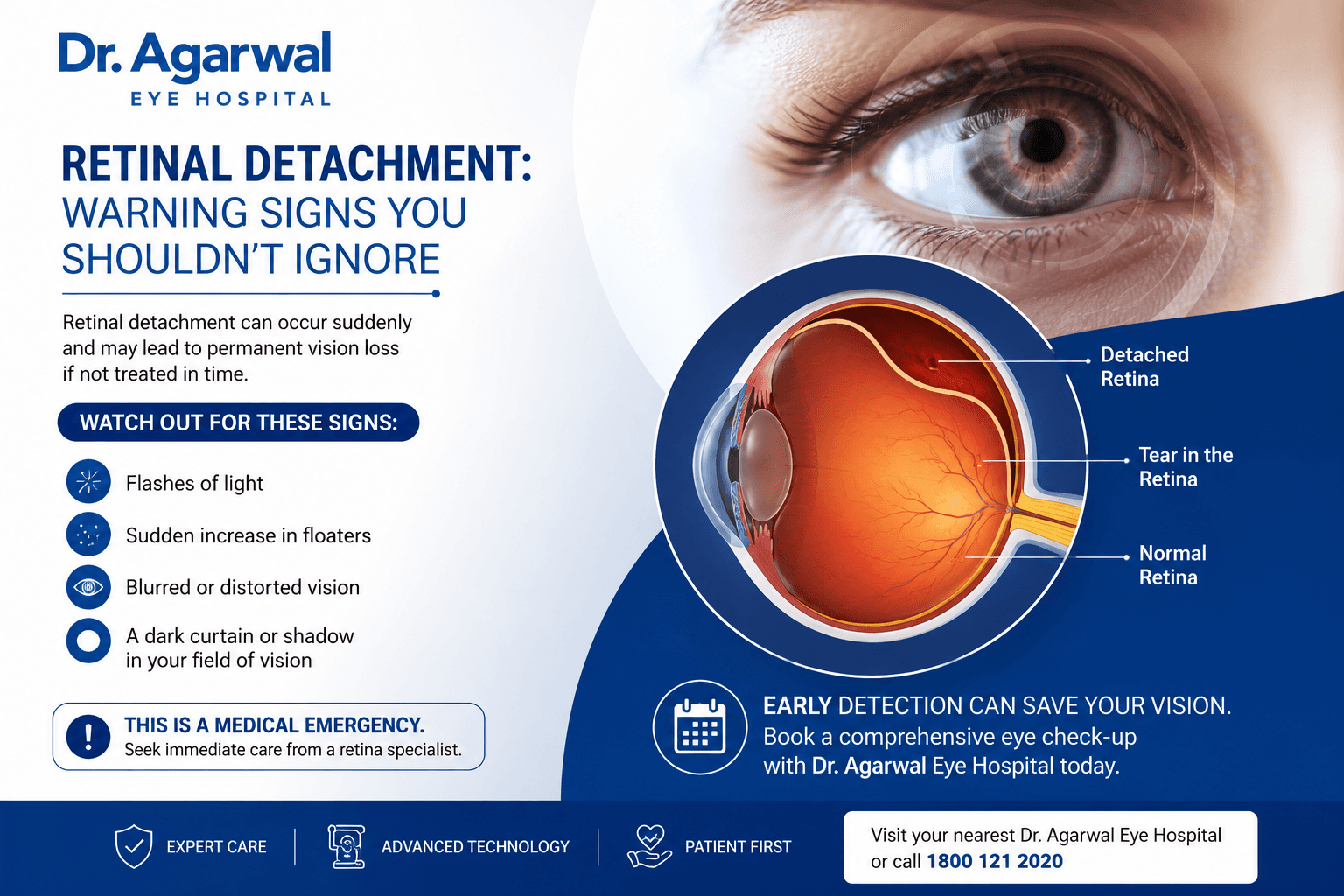
Retinal detachment is a serious eye condition in which the retina, the light-sensitive layer at the back of the eye, pulls away from its normal position. This separation prevents the retina from functioning properly, leading to vision impairment or blindness if left untreated. Common causes include aging, trauma, or underlying conditions like severe myopia. Early detection and prompt treatment are crucial to preventing permanent vision loss.
Retinal Detachment Symptoms
Recognizing the early warning signs of retinal detachment is crucial for timely medical intervention. Symptoms may develop suddenly or progressively, and they vary based on the extent and location of detachment. Below are some of the key indicators:
- Flashes of Light (Photopsia)
One of the most common symptoms of retinal detachment is experiencing brief flashes of light, known as photopsia. These flashes typically occur in the extreme peripheral vision and are unrelated to external light sources. They may appear as sudden, bright flickers, resembling lightning streaks. While occasional flashes can be harmless, persistent or increasing occurrences may signal a retinal tear or detachment.
- Sudden Increase in Floaters
Floaters are small, shadowy specks or thread-like shapes that move across your field of vision. While floaters are common with aging, a sudden and dramatic increase in their number could indicate retinal detachment. This happens when the vitreous gel inside the eye pulls away from the retina, sometimes leading to tears or breaks. Seeking immediate medical attention is recommended if new floaters appear alongside flashes of light.
- Ring of Floaters Near Central Vision
In some cases, people experience a concentration of floaters forming a ring-like pattern near the temporal side of their central vision. This symptom may be an early warning sign of a retinal tear before full detachment occurs. If left untreated, it can progress to severe vision impairment.
- Curtain or Shadow Over Vision
A significant symptom of retinal detachment is the appearance of a dark shadow or curtain descending over part of the visual field. This shadow may begin at the sides (peripheral vision) and gradually move toward the center, obstructing sight. It may also feel as though a veil is covering parts of the vision. This symptom usually indicates a progressing retinal detachment, requiring immediate medical intervention.
- Veil-Like Effect in the Field of Vision
Another striking symptom is the impression of a veil or curtain being drawn over the field of vision. This may occur suddenly or progress gradually, worsening over time. The severity depends on how much of the retina is affected. If ignored, this can lead to irreversible blindness.
- Distorted Vision (Metamorphopsia)
Retinal detachment can cause straight lines to appear bent, wavy, or distorted. This distortion occurs due to the retinal layers shifting from their normal position, affecting how light is processed. People may struggle to read, recognize faces, or see fine details. If macular involvement occurs, distortion may be severe and permanent if left untreated.
- Loss of Central Vision
As retinal detachment progresses, central vision may become blurry or disappear entirely. This happens when detachment spreads toward the macula, the part of the retina responsible for sharp, detailed vision. The extent of vision loss depends on the severity and duration of detachment. If the macula becomes fully detached, surgery must be performed urgently to restore vision, though full recovery may not always be possible.
Causes of Retinal Detachment
Retinal detachment can occur due to various underlying conditions and risk factors. The most common retinal detachment causes include severe myopia (nearsightedness), ocular trauma, previous eye surgeries, and diabetic retinopathy. Identifying these risk factors early can help prevent retinal separation and protect long-term vision. Below are some of the major causes:
- Myopia (Nearsightedness) and Retinal Detachment
Severe myopia is a significant risk factor for retinal detachment. In individuals with high myopia, the eyeball is elongated, stretching the retina and making it thinner and more fragile. This increases the likelihood of retinal tears and lattice retinal degeneration, which can lead to retinal separation. Regular eye checkups are crucial for people with high myopia to monitor retinal health.
- Previous Cataract Surgery and Retinal Detachment
People who have undergone cataract surgery may have an increased risk of retinal detachment. During surgery, the natural lens is removed and replaced with an artificial intraocular lens (IOL). In some cases, this process can cause vitreous detachment, leading to retinal tears or exudative retinal detachment due to fluid accumulation. Patients who experience sudden retinal detachment eye flashes or floaters after cataract surgery should seek immediate medical attention.
- Ocular Trauma and Retinal Separation
Ocular trauma, including sports injuries, blunt force impacts, or accidents, can result in retinal detachment. A direct blow to the eye can cause the retina to tear or detach completely. Athletes and individuals in high-risk professions should use protective eyewear to minimize the chances of traumatic retinal detachment.
- Lattice Retinal Degeneration and Retinal Detachment
Lattice retinal degeneration is a condition where the peripheral retina becomes thinner and more vulnerable to tears. This degeneration is common in individuals with high myopia and can lead to spontaneous retinal detachment. Regular eye exams, including retinal detachment vision simulator tests, can help detect early signs of lattice degeneration and prevent serious complications.
- A Family History of Retinal Detachment
Genetics play a role in retinal detachment causes, as individuals with a family history of the condition are at higher risk. Certain inherited conditions, such as Stickler syndrome or Marfan syndrome, weaken retinal structures, increasing the chances of retinal separation. If there is a history of retinal detachment in the family, routine screenings are recommended to monitor retinal health.
- Diabetic Retinopathy and Retinal Detachment
Diabetes-related eye conditions, such as diabetic retinopathy, can lead to tractional retinal detachment. In advanced cases, abnormal blood vessels and scar tissue form on the retina, pulling it away from the back of the eye. This type of retinal detachment progresses gradually and may cause distorted vision, dark shadows, or central vision loss. Managing blood sugar levels and undergoing regular diabetic eye screenings can help prevent retinal separation.
What are the Risk Factors of Retinal Detachment?
Here are some of the many risk factors of retinal detachment:
Several risk factors increase the likelihood of developing retinal detachment. While some people may have a genetic predisposition, others may develop it due to injuries or underlying conditions. Below are the key risk factors:
- History of Retinal Detachment in One Eye
People who have had retinal detachment in one eye are at a higher risk of developing it in the other eye. Regular monitoring and timely intervention can help prevent further complications.
- History of Eye Surgeries (e.g., Cataract Removal)
Individuals who have undergone cataract surgery or other intraocular procedures are more susceptible to retinal detachment. Surgical interventions can sometimes lead to vitreous detachment, increasing the chances of a retinal tear.
- Aging as a Risk Factor
Age-related changes in the vitreous gel inside the eye can contribute to retinal separation. As people age, the vitreous shrinks and may pull away from the retina, causing tears that lead to detachment. The risk is significantly higher after the age of 50.
- Severe Eye Injury and Retinal Detachment
Blunt trauma or penetrating injuries to the eye can cause retinal detachment by tearing the retina. Individuals involved in contact sports, high-impact activities, or accidents should take precautions to protect their eyes.
- Family History of Retinal Detachment
Genetics play a role in retinal detachment causes. If a close family member has experienced retinal detachment, the likelihood of developing the condition is higher. Routine eye checkups are essential for early detection.
- Myopia (Nearsightedness) and Retinal Detachment
People with high myopia (extreme nearsightedness) have elongated eyeballs, which stretch and thin the retina. This makes them more prone to lattice retinal degeneration and spontaneous retinal detachment.
- Underlying Eye Disorders and Diseases
Individuals with pre-existing eye conditions such as uveitis, lattice degeneration, retinoschisis, or Coats’ disease are at greater risk of retinal detachment. These diseases weaken retinal structures, making them more vulnerable to separation.
Retinal Detachment Prevention
Preventing retinal detachment is crucial, especially for individuals at higher risk due to factors like myopia, previous eye surgeries, or systemic conditions like diabetes. While not all cases of retinal separation can be avoided, the following preventive measures can help reduce the risk:
Avoid Direct and Indirect Eye Injuries
Eye trauma is a significant cause of retinal detachment, especially in people engaged in contact sports, hazardous jobs, or high-impact activities. To minimize the risk:
- Wear protective eyewear while playing sports like boxing, basketball, or racquetball.
- Use safety goggles when working in environments with flying debris or chemicals.
- Avoid rubbing the eyes aggressively, as excessive force can strain the retina.
- After an eye injury, seek immediate medical evaluation to rule out retinal tears or detachment.
Regular Eye Checkups
Routine eye examinations are vital for detecting early signs of retinal detachment, especially in individuals with high myopia, family history of retinal detachment, or pre-existing retinal conditions like lattice degeneration.
- People over 40 or those with risk factors should have an annual dilated eye exam.
- If experiencing retinal detachment eye flashes, sudden floaters, or vision distortions, consult an ophthalmologist immediately.
- Retinal detachment vision simulator tests can help patients understand potential vision changes and take preventive action.
Controlling Systemic Risk Factors and Diseases (e.g., Diabetes)
Systemic conditions such as diabetes and high blood pressure increase the likelihood of tractional retinal detachment due to abnormal blood vessel growth. To minimize risk:
- Maintain optimal blood sugar levels to prevent diabetic retinopathy.
- Manage high blood pressure and cholesterol through lifestyle modifications.
- Follow a healthy diet rich in antioxidants and omega-3 fatty acids, which support retinal health.
When to See a Doctor
Knowing when to seek medical attention can prevent vision loss and ensure timely intervention. You should see an eye doctor immediately if you experience any of the following symptoms:
Emergency Signs of Retinal Detachment
- Sudden flashes of light (photopsia) in peripheral vision.
- A sudden increase in floaters, appearing like black spots or cobwebs in your vision.
- A dark shadow or curtain-like effect spreading across your vision.
- Distorted vision, where straight lines appear wavy or bent.
- Blurred or complete loss of central vision, especially if associated with eye conditions like exudative retinal detachment.
Routine Checkups Recommended If You Have
- High myopia (extreme nearsightedness), which increases the risk of retinal separation.
- A family history of retinal detachment, requiring preventive monitoring.
- Previous eye surgeries (e.g., cataract removal), which can lead to vitreous detachment.
- Diabetes or hypertension, increasing the risk of tractional retinal detachment.
- Ocular trauma, as even minor injuries can cause retinal damage over time.
While retinal detachment is a serious eye condition, early detection and preventive measures can help protect vision. Regular checkups, protective habits, and proper disease management are essential for those at risk. If you experience any warning signs like flashes, floaters, or vision distortion, consult an eye specialist immediately for evaluation and treatment.
Retinal Detachment Treatment & Diagnosis
To treat a serious eye condition like retinal detachment, you must get medical care for retina from the best eye care professionals. The experts of Dr Agarwals Eye Hosptial offers comprehensive care for all types of retinal detachment – rhegmatogenous retinal detachment and tractional retinal detachment.
Visit Dr Agarwals Eye Hospital anytime for diagnosis, treatment, and after care to get effective results!
Retinal Detachment Diagnosis
Since retinal detachment is a serious eye condition, our professional doctors conduct a detailed examination to test your eye condition. To examine your eyes, our eye specialists perform the following non-invasive tests:
Dilated Eye Exam
- The eye doctor will put some eye drops in your eyes that widen the pupil. With this test, eye doctors have clear visibility of back of your eyes to analyse the retinal condition.
Ocular Ultrasound
- For this test, there is no need for eye drops to dilate the pupil of your eyes. However, eye care professionals may use some drops to numb your eyes to avoid irritation or discomfort. Here are the steps involved:
- Step 1: In this test, they place an instrument against your eye to scan it.
- Step 2: After that, you need to sit with your eyes closed, and they pour some gel on the probe
- Step 3: In the next step, you move your eyeballs and doctors scan using this to visualise your eye structure.
Optical Coherence Tomography (OCT)
- For this imaging test, your doctor puts in some eye drops for examining retina to dilate your eyes. During this test, OCT machine scans your eyes to locate any changes in your retinal layers.
- Whether you have retinal detachment symptoms in one or both eyes, our eye care specialists examine both of your eyes at Dr Agarwals Eye Hospital. You may need to visit us again if it is not detected during your visit. Meanwhile, if you develop any other symptoms or experience any difficulty in your eyes, show up to your doctor immediately.
Retinal Detachment Treatment
If there are warning signs of a detached retina and your doctor successfully diagnoses it, they suggest retinal surgeries. Depending on the type (rhegmatogenous retinal detachment treatment and tractional retinal detachment treatment) and severity of the retinal detachment, the professionals of Dr Agarwal’s Eye Hospital suggest the following retinal detachment surgery options for retinal detachment management:
Retinal Laser Photocoagulation and Cryopexy
- This is an effective laser surgery for retina tear treatment. Before performing this retina surgery, the eye surgeons numb your eyes with anaesthetic eye drops. In the next step, doctors focus the laser beam on the retinal detachment or tear. Laser beam scars the area around the retinal tissue that helps seal or reattach the retina to its place.
- Under the cryopexy technique, the eye surgeons use a freezing probe over the retinal tear to create a scar. The eye surgeons may need to create scars multiple times to secure the retinal connections and keep them in the correct place. During this procedure, you may feel a cold sensation.
Pneumatic Retinopexy
- This treatment option is effective for retinal detachment fixation and helps restore your vision. In pneumatic retinopexy surgery, eye surgeons inject a gas or air bubble into the central part of the eyes called the vitreous cavity.
- They carefully position the bubble that pushes it against the retinal hole and ceases the fluid flow. This fluid later gets absorbed, and the retina sticks to its original position. To seal this retinal break, there may be a need for cryopexy.
- As a precaution, you may need to position your head in a certain position to hold the bubble in place till the retina stays in its original position.
Scleral Buckling
- Your eye doctor performs scleral buckling procedures under local or general anaesthesia. During this rhegmatogenous retinal detachment cure, the surgeons use suturing silicone material to the sclera (white part of the eye) over the retinal breakage.
- If multiple retinal tears exist, your surgeon places a silicone buckle covering your eyes like a band. Neither can you see this band, nor does it block your vision and stays intact forever.
Vitrectomy
- In this surgical procedure, your doctor removes the vitreous fluid and places an air, gas, or oil bubble into that vacant space to push the retina back to its place. Your body reabsorbs this fluid, and this your body fluid refills the vitreous space.
- However, if the surgeons use an oil bubble, surgical intervention may be needed to remove that bubble.
How to Take Care After Retinal Detachment Surgery?
Following retina operation, you must take care of the below mentioned things for better recovery:
- After the retinal detachment surgery procedure, avoid indulging in heavy physical activities like working out.
- Position your head as directed by your eye care professional.
- Wear eye protection glasses for a certain time to avoid any injury or exposure to dirt and dust. The duration may last from one week to two months.
- Avoid touching your eyes irrelevantly to prevent the risk of infection.
- Adhere to the eye drops prescription and use it as advised to heal your eyes faster.
Retinal detachment is a severe eye condition in which you don’t feel pain or discomfort in its early stages. To identify eye-related problems timely, frequent eye check-ups are crucial. Sometimes, some eye problem symptoms may go unnoticed and worsen later. Surgical management of retinal detachment is extremely crucial.
We at Dr Agarwals Eye Hospital provide comprehensive treatment for various eye diseases. The diseases are listed here:
To prevent various eye problems, our treatment or surgery options include the following:
Photorefractive Keratectomy (PRK)
Implantable Collamer Lens (ICL)
Retinal Laser Photocoagulation
Black Fungus Treatment & Diagnosis
In case of any difficulty or any symptoms, head towards Dr Agarwals Eye Hospital immediately.
With a well-versed team of professionals and highly skilled eye doctors, we use the latest tools and technologies for effective eye treatment. We offer top-notch facilities and a safe & secure environment to our patients.
Book your appointment today at Dr Agarwal’s6 Eye Hospital to protect your vision or cure vision difficulty!
Squint
What is Squint (Strabismus)?
Squint, also known as strabismus, is a condition where the eyes do not align properly. One eye may turn inward, outward, upward, or downward while the other eye remains focused. This misalignment can be constant or occasional, affecting depth perception and overall vision. Squint can occur in children and adults, leading to vision disturbances, eye strain, and even permanent vision loss if left untreated.
Symptoms of Squint (Strabismus)
The symptoms of squint vary depending on the severity and type of misalignment. Some common signs include:
- Misaligned eyes (one eye turning in a different direction)
- Double vision
- Difficulty focusing on objects
- Frequent eye strain or headaches
- Squinting or tilting the head to see clearly
- Reduced depth perception
- Inconsistent vision clarity
Causes of Squint (Strabismus)
Squint can develop due to various reasons, including:
- Genetic factors : A family history of squint increases the risk.
- Nerve disorders : Conditions affecting eye muscle control can lead to misalignment.
- Refractive errors : Uncorrected myopia, hyperopia, or astigmatism can cause the eyes to work harder, leading to squint.
- Eye muscle imbalances : Weakness or dysfunction in eye muscles can result in misalignment.
- Neurological conditions : Certain brain disorders may interfere with eye coordination.
- Injuries : Trauma affecting the eye muscles or nerves can cause squint.
- Medical conditions : Issues like cerebral palsy or Down syndrome are often associated with squint.
Squint Prevention
While some types of squint cannot be prevented, early detection and intervention can help reduce complications. Here are some preventive measures:
- Regular eye check-ups, especially in children
- Correcting refractive errors with glasses or contact lenses
- Managing underlying health conditions that may contribute to squint
- Eye exercises to strengthen coordination and alignment
- Encouraging proper screen time habits to reduce eye strain
What are the Available Tests for Squint?
Squint diagnosis involves a series of eye examinations to determine the type and severity of misalignment. Common tests include:
- Visual acuity test: Measures the clarity of vision in each eye.
- Cover test: Identifies the affected eye by covering one eye at a time.
- Hirschberg test: Assesses the alignment of the corneal reflection.
- Refraction test: Determines the presence of refractive errors.
- Ocular motility test: Evaluates eye muscle movements.
Squint Diagnosis
You need proper medical attention and care to restore your vision if you are diagnosed with squint or strabismus. At Dr Agarwal’s Eye Hospital, we provide squint eye treatment and diagnosis for all type of squints, including convergent squint and paralytic squint.
Choose Dr Agarwals Eye Hospital for eye care solutions!
Squint Diagnosis
Since children are at higher risk of developing squint or strabismus, paediatric ophthalmologist performs complete eye examination for more than four months. Here are how our eye specialists conduct eye examination for diagnosing squint:
Medical History Examination
- In the initial step, your eye doctor analyses your medical history. This helps them identify the root cause of your eye problem (medications, eye or head injury, or any other underlying problem).
Visual Acuity Test
- In this test, eye doctors ask you to read letters from an eye chart, allowing them to know children’s visual ability.
Corneal Light Reflex
- Doctors perform this test to find the position of your eyes. Depending on the light reflex, they diagnose divergent (eyes deviated outwards) & convergent squint (eyes deviated inwards)
Conducting an in-depth examination of your eyes, Dr Agarwal’s Eye Hospital professionals proceed with the safe and effective operation for squint eyes.
We at Dr Agarwals Eye Hospital provide comprehensive treatment for various eye diseases. The diseases are listed here:
Our eye treatment or surgery options for various eye-related problems include the following:
Photorefractive Keratectomy (PRK)
Implantable Collamer Lens (ICL)
Retinal Laser Photocoagulation
Black Fungus Treatment & Diagnosis
If you observe any difficulty in your eyes, you shouldn’t ignore this. Dr Agarwals Eye Hospital is a one-stop solution to provide safe and effective treatment for eye-related problems. We strive to offer the best treatment options for our patients and are India’s most trusted eye hospital. With a strong reputation and expertise in ophthalmology, Dr Agarwals Eye Hospital offers comprehensive solutions. Our highly skilled team of experienced doctors possesses detailed knowledge and understanding of using advanced diagnostic tools.
Schedule your appointment right away and normalise your vision ability!
Uveitis
What is Uveitis Eye?
The uvea is the middle layer of the eye, which contains many of the eye’s blood vessels. It is located between the sclera, the eye’s white outer coat, and the inner layer of the eye called the retina and is further made up of the iris, ciliary body, and choroid.
Uveitis encompasses a group of inflammatory diseases that produce swelling of the uveal tissues. It is not necessarily limited to the uvea but can also affect the lens, retina, optic nerve, and vitreous, producing reduced vision or blindness.
Uveitis may be caused by problems or diseases occurring in the eye, or it can be part of an inflammatory disease affecting other parts of the body.
It can happen at all ages and primarily affects people between 20-60 years old.
Uveitis can last for a short (acute) or a long (chronic) time. The severest forms of uveitis can reoccur many times.
What are the Symptoms of Uveitis Eye?
Uveitis can affect one or both eyes simultaneously. Symptoms may develop rapidly and can include:
- Blurred vision
- Dark, floating spots/lines in the vision (floaters)
- Eye pain
- Redness of the eye
- Sensitivity to light (photophobia)
The signs and symptoms of uveitis depend on the type of inflammation.
Acute anterior uveitis may occur in one or both eyes and in adults is characterized by eye pain, blurred vision, sensitivity to light and redness.
Intermediate uveitis causes blurred vision and floaters. Usually, it is not associated with pain.
Posterior uveitis can produce vision loss. This type of uveitis can only be detected during an eye examination.
What are the Causes of Uveitis Eye?
Inflammation is the body’s natural response to tissue damage, germs, or toxins. It produces swelling, redness, and heat and destroys tissues as certain white blood cells rush to the affected part of the body to contain or eliminate the insult. Any inflammation of the uveal tissue produces Uveitis.
Uveitis may be caused by:
- An attack from the body’s own immune system (autoimmunity)
- Infections or tumors occurring within the eye or in other parts of the body
- Trauma to the eye
- Drugs and toxins
- Most of the time, the cause remains unknown, which is termed as idiopathic
What are the types of Uveitis?
The type of uveitis can be classified by where inflammation occurs in the uvea:
- Anterior uveitis is inflammation of the iris (iritis) or the iris and ciliary body.
- Intermediate uveitis is inflammation of the ciliary body.
- Posterior uveitis is inflammation of the choroid.
- Diffuse uveitis (also called pan-uveitis) is inflammation of all parts of the uvea.
How do doctors/surgeons diagnose Uveitis Eye?
Diagnosis of uveitis includes a thorough patient’s medical history and a detailed examination of the eye to record the findings.
Further ancillary investigations , laboratory tests may be done to rule out an infection or an autoimmune disorder.
Eye examination includes
An Eye Chart or Visual Acuity Test: This test measures whether a patient’s vision has decreased.
Ocular Pressure: Intraocular pressure (IOP) is the fluid pressure of the eye. As pressure is a measure of force per area
A Slit Lamp Exam: A slit lamp noninvasively inspects the front and back parts of the eye
A Dilated Fundus Examination: The pupil is widened (dilated) with eye drops, and then a light is shown through with an instrument called an ophthalmoscope to noninvasively inspect the back, inside part of the eye.
What are the complications of Uveitis?
Many cases of uveitis are chronic, and they can produce numerous possible complications, including clouding of the cornea, cataracts, elevated eye pressure (IOP), glaucoma, swelling of the retina or retinal detachment. These complications can result in permanent vision loss.
What’s the treatment for Uveitis?
The goal of treatment in uveitis is to eliminate inflammation, alleviate pain, prevent further tissue damage, and restore any loss of vision.
If uveitis is caused by an underlying condition, treatment will focus on that specific condition.
The first option for uveitis treatment is to seek help from drugs that reduce inflammation. Your doctor may first prescribe eyedrops with anti-inflammatory medication, such as a corticosteroid. If those don’t help, a corticosteroid tablets or injection may be the next step.
The second option for uveitis treatment is getting relief from drugs that fight bacteria or viruses. If uveitis is caused by an infection, your doctor may prescribe antibiotics, antiviral medications or other medicines, with or without corticosteroids, to bring the infection under control.
Drugs that affect the immune system or destroy cells. You may need immunosuppressive or cytotoxic drugs for uveitis treatment if the disease does not affect both eyes, doesn’t respond well to corticosteroids or becomes severe enough to threaten your vision.
Surgical and other procedures
Vitrectomy. Surgery to remove some of the vitreous in your eye (vitrectomy) may be necessary to manage the condition.
Surgery that implants a device into the eye to provide a slow and sustained release of a medication. For people with difficult-to-treat posterior uveitis, a device that’s implanted in the eye may be an option. This device slowly releases corticosteroid medication into the eye for two to three years. Possible side effects of this treatment include cataracts and glaucoma.
Anterior Uveitis treatments
Anterior uveitis may be treated by:
- Taking eye drops that dilate the pupil to prevent muscle spasms in the iris and ciliary body (see diagram)
- Taking eye drops containing steroids, such as prednisone, to reduce inflammation
- Intermediate
- Posterior
- Panuveitis treatments
Intermediate, posterior, and panuveitis are often treated with injections around the eye, medications given by mouth, or, in some instances, time-release capsules that are surgically implanted inside the eye. Other immunosuppressive agents may be given. A doctor must make sure a patient is not fighting an infection before proceeding with these therapies.
Some of these medications can have serious side effects, such as glaucoma and cataracts. You may need to visit your doctor for follow-up examinations and blood tests every 1 to 3 months.
Latest Update for Dr Agarwals Eye Hospital

Store Information
Loading map...