

BrandLogo
Store
Dr Agarwals Eye Hospital - Aurangabad, Maharashtra

Address

Ved Vista Tower, 2nd & 3rd Floor, Jalna Rd, above Chandukaka Saraf Jwellers, N-3, N 3, Cidco,
Chhatrapati Sambhajinagar,
Aurangabad - 431002

Mail ID

care@dragarwal.com

Eye Diseases Treated at Dr Agarwals Eye Hospital

Behcet’s Disease

What is Behcet’s Disease?

Behcet’s Disease, also called Silk Road Disease, is an autoimmune disease in which the blood vessels of your body get inflamed (a defense reaction of your body to any stimulus).

Symptoms of Behcet's Disease

Below we have mentioned some of the many symptoms of Behcet’s disease:

A group of four symptoms are commonly known to occur in this disease: Mouth ulcers, Genital Ulcers, Skin problems and Inflammation inside your eye. Your joints, digestive system and nervous system may also be affected.

Inflammation inside your eyes can cause uveitis (uvea is the area around your pupil), retinitis (retina is the light-sensitive tissue in your eye) and iritis (iris is the coloured part of your eye).

  • Blurry vision
  • Pain
  • Sensitivity to light
  • Redness
  • Tearing
  • Blindness may be seen sometimes when your retina does not get enough blood supply

Causes of Behcet's Disease

What causes your own body’s cells to attack the blood vessels is not exactly known. People of Asian and Eastern Mediterranean origin are found to suffer more frequently. Men are affected more commonly than women and especially so during their 20s and 30s. Genetic factors combined with environmental factors like microbes are thought to play a role.

Tests for Behcet’s Disease Triad

  • Ophthalmoscopy (a test to see the back of your eye) 
  • Fundus Fluorescein Angiography (A test to see the blood vessels in your eye)
  • Duplex and color Doppler sonography may be useful
  • Skin tests (called Pathergy test), MRI Brain, GIT tests etc. may be required depending on the symptoms.

Treatment for Behcet’s Disease

There is no specific cure for this disease. However, when it comes to treatment for behcet’s disease, it consists of medications to reduce your discomfort, control the Inflammation of your and prevent severe complications. Medications include steroids to suppress the errant immune system, colchicine etc. Steroid eye drops and steroid injections next to your eye may be given.

Likely outcome of Behcet’s Disease (Prognosis)

This Behcet syndrome triad is marked by its long term duration and recurrence. However, you may have periods when you go into remission (your symptoms go away temporarily). The severity of your disease may vary from you even leading a normal life to becoming blind and severely disabled. Vision loss may be kept in control by keeping the disease in remission.


Blepharitis

What is Blepharitis (Eyelid Inflammation)?

Blepharitis is a common and chronic condition that causes inflammation of the eyelids. It can affect people of all ages and is often associated with underlying skin conditions or bacterial infections. The condition leads to irritation, redness, and discomfort along the edges of the eyelids. Blepharitis can be categorized into different types, including anterior blepharitis, posterior blepharitis, and demodex blepharitis. Effective blepharitis self-care, such as maintaining eyelid hygiene and using blepharitis eye drops, can help manage symptoms and prevent flare-ups.

Symptoms of Blepharitis (Eyelid Inflammation)

The symptoms of blepharitis vary depending on the type and severity of the condition. Common symptoms include:

  • Burning sensation, Itching, and Scaling of Eyelids

Patients often experience persistent irritation, leading to an itchy and burning sensation. The buildup of debris on the eyelids may cause crusty eyelids, leading to discomfort.

  • Crusty Eyelids

Crusting along the lash line is a hallmark symptom of blepharitis. This can cause discomfort, particularly upon waking up. In cases of squamous blepharitis, flaky skin along the eyelids is commonly observed.

  • Photophobia, Blurred Vision, and Foreign Body Sensation

Severe cases of blepharitis can lead to light sensitivity (photophobia) and blurred vision due to tear film instability. The sensation of having a foreign body in the eye is another common complaint among patients.

  • Watering of Eyes

Excessive tearing or epiphora may occur as the eye tries to counteract dryness and irritation caused by inflammation. Best eye drops for blepharitis may provide relief and hydration to the eyes.

  • Red Eye

The inflammation associated with blepharitis often causes redness, making the eyes appear irritated. Causes of blepharitis can include bacterial infections, skin conditions like rosacea, or mite infestations such as demodex blepharitis.

  • Loss of Eyelashes

Chronic blepharitis can lead to lash misalignment, thinning, or even loss of eyelashes, medically termed madarosis. Blepharitis medication may be required to prevent complications.

  • Recurrent Stye

People with blepharitis are at a higher risk of developing styes—painful, red lumps along the eyelid margin. Some cases of parasitic blepharitis can also contribute to recurrent styes and inflammation.

Causes of Blepharitis (Eylid Inflammation)?

Below we have mentioned some of  blepharitis causes:

  • Infection e.g. Bacterial or parasitic infection.
  • Seborrheic tendency of individual (some individuals are prone for dandruff formation over scalp etc).

Treatment and Management of Blepharitis

Managing blepharitis requires a combination of home remedies and medical treatments. The following methods can help:

  • Eyelid Hygiene - Regular cleaning of the eyelids using diluted baby shampoo or special eyelid wipes can help remove debris and prevent bacterial buildup.
  • Warm Compresses - Applying a warm compress to the eyes helps loosen crusts and improves oil gland function.
  • Medications: Blepharitis medication, such as antibiotic ointments or steroid drops, may be prescribed for severe cases.
  • Artificial Tears & Eye Drops - Using the best eye drops for blepharitis can provide lubrication and relief from dry eye symptoms.
  • Managing Underlying Conditions: If causes of blepharitis include rosacea or seborrheic dermatitis, treating the root cause can improve symptoms.

By following these measures, individuals with blepharitis can effectively control their symptoms and prevent recurrent flare-ups.

What Are the Risk Factors for Developing Blepharitis?

Blepharitis can affect anyone, but certain factors increase the likelihood of developing the condition. Understanding these risk factors can help in early prevention and management.

1. Skin Conditions

Individuals with seborrheic dermatitis, rosacea, or eczema are at a higher risk of developing seborrheic blepharitis due to excessive oil production and inflammation around the eyelids.

2. Bacterial Infections

Staphylococcal blepharitis is often caused by bacterial overgrowth along the eyelid margins. People prone to staph infections or chronic eye irritation are more susceptible to this type of blepharitis.

3. Poor Eyelid Hygiene

Not cleaning the eyelids properly can lead to a buildup of debris, bacteria, and oil, which increases the risk of Meibomian blepharitis and ulcerative blepharitis.

4. Contact Lens Wearers

Frequent use of contact lenses, especially without proper hygiene, can contribute to posterior blepharitis due to increased bacterial accumulation and gland dysfunction.

5. Meibomian Gland Dysfunction (MGD)

Dysfunction of the Meibomian glands leads to blocked oil flow, which is a major contributor to posterior blepharitis and dry eye syndrome.

6. Mite Infestations (Demodex Blepharitis)

A high population of Demodex mites on the eyelashes can trigger demodex blepharitis, leading to inflammation, irritation, and crusting of the eyelids.

7. Hormonal Imbalances & Age

Aging leads to decreased oil production in the Meibomian glands, making Meibomian blepharitis more common in older adults. Hormonal changes can also contribute to gland dysfunction.

8. Environmental Factors

Exposure to dust, smoke, allergens, and pollution can aggravate the eyelids and increase the risk of allergic or irritant-induced blepharitis.

9. Use of Eye Makeup

Frequent use of eye makeup, mascara, and eyeliner without proper removal can clog the oil glands and trap bacteria, increasing the risk of anterior blepharitis.

10. Chronic Dry Eye Disease

Dry eye sufferers often experience posterior blepharitis as inadequate tear production leads to inflammation of the eyelid margins. Using the best eye drops for blepharitis can help manage this condition.

By identifying these risk factors, individuals can take proactive steps such as maintaining proper eyelid hygiene, using blepharitis medication when needed, and seeking medical advice for underlying conditions.

Know More About Itching Eyelids or Blepharitis Treatment

Itchy eyelids are a common symptom of blepharitis, a condition that causes inflammation along the eyelid margins. The itching is often accompanied by redness, burning, crusty eyelids, and a foreign body sensation. If left untreated, blepharitis can lead to complications like recurrent styes, dry eyes, and eyelash loss.

Why Do Eyelids Itch in Blepharitis?

Several factors contribute to eyelid itching, including:

  • Bacterial infections (common in staphylococcal blepharitis)
  • Excess oil production leading to clogged glands (Meibomian blepharitis)
  • Mite infestations(Demodex blepharitis)
  • Seborrheic dermatitis, which causes eye dandruff and greasy scales on the eyelashes
  • Allergies and environmental irritants

How to Relieve Itching Eyelids?

Managing itchy eyelids involves proper blepharitis treatment, including:

  • Eyelid hygiene: Regularly cleaning the eyelids with warm water and a gentle cleanser helps remove crust and bacteria.
  • Blepharitis eye drops: Lubricating drops help soothe irritation and prevent dry eye symptoms.
  • Blepharitis medication: Antibiotic or anti-inflammatory treatments may be prescribed for severe cases.
  • Warm compresses: These help open blocked oil glands, especially in posterior blepharitis.

By following these measures, itching eyelids caused by blepharitis can be effectively controlled, improving eye comfort and reducing inflammation.

Blepharitis Treatment (Eye Dandruff Treatment)

Blepharitis is often referred to as eye dandruff because it causes flaky, scaly debris along the lash line, similar to scalp dandruff. Effective treatment focuses on reducing inflammation, controlling bacterial growth, and improving eyelid hygiene.

Step-by-Step Blepharitis Treatment

  • Eyelid Cleansing

a) Use a gentle cleanser or diluted baby shampoo to clean the eyelid margins.

b) Special eyelid wipes can also help remove debris caused by seborrheic blepharitis.

  • Warm Compress Therapy

a) Applying a warm compress for 5–10 minutes helps loosen oil buildup and unclog Meibomian glands.

b)This is especially beneficial for Meibomian blepharitis and posterior blepharitis.

  • Medication for Blepharitis

a) Antibiotic ointments or drops for staphylococcal blepharitis to control bacterial infections.

b) Anti-inflammatory eye drops to reduce swelling and irritation.

c) Tea tree oil treatments to target Demodex blepharitis, which is caused by eyelash mites.

  • Use of the Best Eye Drops for Blepharitis

a) Preservative-free artificial tears can relieve dry eyes caused by blepharitis eye inflammation.

b) Medicated eye drops may be needed for more severe cases of blepharitis.

  • Lifestyle Modifications

a) Reduce makeup use to prevent bacteria buildup.

b) Avoid environmental triggers like smoke and allergens.

c) Increase intake of omega-3 fatty acids to improve oil gland function.

With consistent care and treatment, blepharitis can be managed effectively, reducing symptoms and preventing recurrence.

Below We Have Mentioned Three Types of Blepharitis Treatments in Detail

1. Home Remedies & Self-Care for Blepharitis

For mild cases, blepharitis self-care can help alleviate symptoms:

  • Eyelid hygiene routine (using warm compresses and gentle cleansers)
  • Regular use of artificial tears to prevent dry eyes
  • Avoiding eye makeup and contact lenses during flare-ups

2. Medical Treatments for Blepharitis

For moderate to severe cases, blepharitis medication may be required:

  • Antibiotic ointments and drops for staphylococcal blepharitis
  • Steroid eye drops to reduce inflammation
  • Tea tree oil treatments for demodex blepharitis

3. Advanced Therapies for Chronic Blepharitis

For persistent or severe cases, advanced treatments may be recommended:

  • IPL (Intense Pulsed Light) therapy to improve Meibomian gland function
  • LipiFlow® therapy to unclog blocked Meibomian glands
  • Prescription-grade lid cleansers for demodex and seborrheic blepharitis

By following the right blepharitis treatment plan, patients can effectively manage symptoms and prevent eye dandruff buildup in the future.

Cataract

What is Cataract? Symptoms & Treatment

An eye cataract forms when the lens of the eye becomes cloudy, making it harder to see clearly. The lens, which is normally clear, helps focus light on the retina to produce sharp vision. When it becomes cloudy, it can cause cataract symptoms like blurry vision, glare, and trouble with night driving. Although common in older adults, eye cataracts can also be caused by injuries, medical conditions, or prolonged UV exposure. Cataracts progress slowly but can be effectively treated with modern surgical techniques.

The Most Common Cataract Symptoms Include:

Cataract symptoms vary depending on the type and stage of the cataract. Common cataract signs and symptoms in the eye include:

  • Cloudy or Blurred Vision: Objects may appear fuzzy, and vision may feel foggy or unclear.
  • Sensitivity to Light and Glare: Bright sunlight, headlights, or even indoor lighting can cause discomfort and difficulty seeing.
  • Poor Night Vision: Difficulty seeing in low light or during nighttime activities, such as driving, is common.
  • Fading or Yellowed Colors: Colors may lose their vibrancy, appearing dull or washed out.
  • Halos Around Lights: Seeing halos or rings around bright lights, especially at night.
  • Double Vision in One Eye: Some patients report seeing double images due to the clouded lens.

What are the Causes of Cataract?

There are several causes of cataract, with aging being the most common. Other factors that lead to the formation of cataracts include:

  • Aging: Natural changes in the lens cause protein breakdown and cloudiness, resulting in cataracts.
  • Eye Injuries: Trauma to the eye can lead to cataract formation, either immediately or years later.
  • Family History: A family history of cataracts increases the risk.
  • Medical Conditions: Conditions like diabetes significantly increase the likelihood of developing cataracts.
  • UV Exposure: Prolonged exposure to ultraviolet rays without proper eye protection can damage the lens.
  • Steroid Use: Long-term use of corticosteroids can accelerate cataract formation.
  • Smoking and Alcohol: Both habits contribute to oxidative damage in the eye and increase the risk of cataracts.

Cataract Risk Factors

The risk of developing cataracts increases due to several factors. Common cataract risk factors include:

How to Prevent Eye Cataract

While not all cases of cataracts can be prevented, adopting healthy habits can help delay their onset. Here’s how you can reduce your risk of developing eye cataract symptoms:

  • Wear UV-Protective Sunglasses: Protect your eyes from the harmful effects of ultraviolet light.
  • Maintain a Balanced Diet: Include antioxidant-rich foods like leafy greens, carrots, and citrus fruits in your meals.
  • Quit Smoking: Smoking damages eye tissues and contributes to cataract formation.
  • Control Medical Conditions: Proper management of diabetes and other health issues can reduce the risk of cataracts.
  • Limit Alcohol Consumption: Reducing alcohol intake helps protect overall eye health.
  • Regular Eye Check-Ups: Routine eye exams allow for early detection and management of cataracts.

Post-Surgery Care and Recovery Tips

To ensure proper healing after cataract surgery, follow these tips:

  • Wear Protective Eyewear: Use goggles or wraparound glasses to protect your eyes from dust and sunlight during waking hours.
  • Use Prescribed Eye Drops: Follow the schedule recommended by your doctor to prevent infection and reduce inflammation.
  • Avoid Touching or Rubbing Your Eyes: This prevents irritation or the risk of infection.
  • Avoid Strenuous Activities: Refrain from heavy lifting or exercise for the first few weeks.
  • Attend Follow-Up Appointments: Regular check-ups ensure the eye is healing properly.

Most patients experience improved vision within a week, with full recovery in 4-6 weeks.

Cataract Diagnosis & Treatment

For a safe and effective medical treatment of cataract, Dr Agarwals Eye Hospital is a one-stop solution. We provide a safe eye cataract treatment based on the type of cataract, including cortical cataractintumescent cataractnuclear cataractposterior subcapsular cataractrosette cataract, and traumatic cataract. We also provide paediatric cataract treatment and effectively cater to complicated cataract treatment.

Reach out to our team for thorough analysis, treatment options, and prevention tips!

Cataract Diagnosis

The eye care specialists of our hospital diagnose cataract with a comprehensive eye examination. To identify cataract, your eye doctor analyses your medical history. If you experience vision difficulties, they also look for such signs and symptoms through some tests before cataract treatment that include:

  • Retinal Examination

For better examination of your eyes, eye specialists use eye drops to widen your pupil. It allows them to get a closer view of your retina.

With an ophthalmoscope, eye doctors look for the visible signs of cataract and proceed with the treatment accordingly.

  • Visual Acuity Test

In this eye examination, your eye doctor uses an eye chart to understand your vision and ability to read letters from a distance. They perform this test individually on each eye with one eye covered and similarly on the other. If they diagnose any signs of cataract, they proceed with the suitable cataract treatment.

  • Slit Lamp Examination

A slit lamp is an instrument with a high-intensity light beam that allows them to see the structures of your eyes better under magnified glasses. They examine the cornea, lens, iris, and other parts of your eyes. With this slit lamp, eye doctors even analyse the small sections, making it easier to detect minor problems.

Cataract Treatment

Cataract is a common eye problem and people get this problem as they age. When you start realising its symptoms, contact the experts of Dr Agarwals Eye Hospital for early cataract treatment. Here are cataract treatment options:

  1. Eyeglasses

In the initial stage, when you don’t have any vision difficulty, your eye doctor prescribes eyeglasses to correct your vision.

Cataract Surgery

If the symptoms of cataract start impacting your day-to-day chores, then cataract eye surgery is the only effective option for cataract treatment to root out its symptoms. This surgery is also effective for congenital cataract treatment.

Laser Surgery

When eye doctors determine that your cataract is dense and find difficult to create an opening, they rely on laser treatment for cataract.

What Happens in Traditional Cataracts and Laser Cataracts Surgery?

When you visit Dr Agarwal’s Eye Hospital, our doctors discuss with you and acquaint you with the cataract operation procedure of working.

  • Traditional Cataract Surgery

In the traditional cataract treatment procedure, eye care specialists numb the area around your eyes with local anaesthesia before the cataract eye surgery, but you are awake throughout. Under this cataract operation, eye surgeons remove the clouded lens using a microsurgical instrument and replace it with an artificial intraocular lens (IOL).

  • Laser Cataracts Surgery

There are here some laser-assisted surgery options to restore your vision:

2(a) Corneal Incision

For the cataract treatment, doctors make an incision through femto laser cataract surgery to access and remove the cataract from your eyes.

The surgeon creates a precise surgical plane for the corneal incision. It is done with a sophisticated 3-D image eye image called an OCT scan. Doctors aim to create an incision in a specific location with accurate depth and length in all planes. With the OCT image and a femtosecond laser, it can be performed exactly.

2(b) Capsulotomy

The blurriness of vision occurs after years later because the eye’s lens capsule gets cloudy. This capsule holds the IOL in its original position. To open this cloudy capsule, doctors may use a laser, which helps you restore your vision. This process of cataract treatment is called capsulotomy.

2(c) Cataract Fragmentation

Under laser cataract surgery, your provider uses a laser for better precision to remove the affected lens for IOL cataract surgery. Once they create an opening, this laser beam triggers the cataract to soften and fragment it easily. This process of cataract treatment is done with help of phacoemulsification probe using ultrasound & mechanical energy.

If your cataract gets hard, it may require more energy. This may increase the chances of more collateral tissue damage as compared to soft cataract. However, our surgeon takes all necessary precautions to lower such tissue damage and perform cataract eye surgery carefully.

Post-Surgery Care Tips

During the cataract operation, patients feel little to no pain. To recover faster after a cataract operation, here are some tips:

  • After a cataract operation, you may feel some irritation in your eyes. It is essential to shield your eyes with eyeglasses and avoid dirt or dust affecting your eyes after cataract treatment.
  • Do not perform activities like heavy weightlifting to avoid additional eye pressure after cataract removal surgery.
  • After a cataract operation, you may see things brighter, so it is essential to avoid driving.
  • Take the necessary precautions your doctor suggests and take medications as a cataract cure promptly.

Cataract Prevention Tips

Since cataract is an age-related problem, you can follow the below cataract precaution tips to protect your vision:

  • Limit your eyes’ exposure to the sun, and wear sunglasses to block sun rays if needed.
  • Refrain from indulging in any physical activities (basketball, football, or more) that may cause eye injury. To prevent accidental injury, wear eye protective glasses.
  • Say no to smoking as you may increase the chance of developing cataracts three times more than non-smokers.
  • Go for regular eye checks to detect any symptoms of eye-related problems at the earliest.

We at Dr Agarwal’s Eye Hospital provide comprehensive treatment for various eye diseases. The diseases are listed here:

Cataract

Diabetic Retinopathy

Corneal Ulcer (Keratitis)

Fungal Keratitis

Macular Hole

Retinopathy Prematurity

Ptosis

Keratoconus

Macular Edema

Glaucoma

Uveitis

Pterygium or Surfers Eye

Blepharitis

Nystagmus

Allergic Conjunctivitis

Cornea Transplantation

Behcets Disease

Computer Vision Syndrome

Hypertensive Retinopathy

Mucormycosis / Black Fungus

 To treat your eye-related problems, our eye treatment or surgery options include the following:

Glued IOL

PDEK

Oculoplasty

Pneumatic Retinopexy (PR)

Cornea Transplantation

Photorefractive Keratectomy (PRK)

Pinhole Pupilloplasty

Paediatric Ophthalmology

Cryopexy

Refractive Surgery

Implantable Collamer Lens (ICL)

Dry Eye Treatment

Neuro Ophthalmology

Anti VEGF Agents

Retinal Laser Photocoagulation

Vitrectomy

Scleral Buckle

Laser Cataract Surgery

Lasik Surgery

Black Fungus

If you experience blurry vision or glares around lights, immediately schedule your appointment with the eye doctors of Dr Agarwal’s Eye Hospital! With an in-depth examination of your eyes using state-of-the-art facilities, we are committed to offering the best eye care treatment.

Note: Eye cataract operation costs may vary depending on the treatment you seek for. Book your consultation with us today for the best cataract treatment!


Central Serous Retinopathy

Seeing the World Through a Blur? Central Serous Retinopathy Might Be the Reason

Your vision is precious—it’s how you navigate the world, absorb information, and connect with loved ones. But imagine waking up to a blurry or distorted central vision, like looking through a foggy glass. If this sounds familiar, you may be dealing with Central Serous Retinopathy (CSR), a common but often misunderstood eye condition.

Let’s explore everything about CSR, from its causes and symptoms to the advanced treatments that can help restore your vision. Understanding the condition is the first step toward protecting your sight.

What Is Central Serous Retinopathy (CSR)?

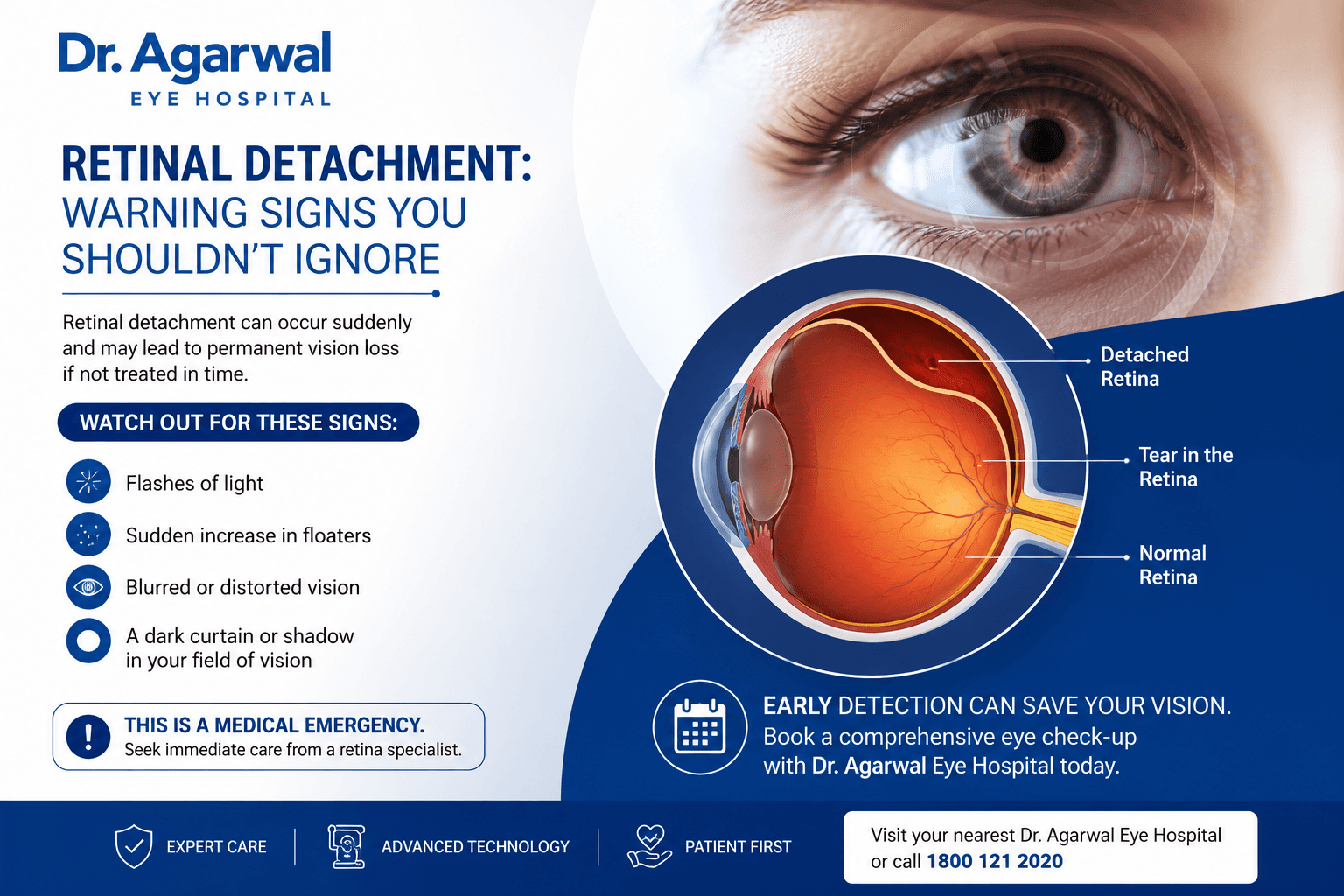
Central Serous Retinopathy, also known as Central Serous Chorioretinopathy, occurs when fluid builds up beneath the retina, causing visual distortion. The retina is the light-sensitive layer at the back of your eye that converts images into signals for your brain. When fluid accumulates under it, it leads to a detachment of the retina, resulting in blurred or distorted vision.

CSR primarily affects the macula—the central part of the retina responsible for sharp, detailed vision. It is more common in men between the ages of 20 and 50, although women and older adults can also experience it.

Causes of Central Serous Retinopathy

Understanding the CSR eye causes can help in prevention and early detection. The exact reason for fluid leakage under the retina isn’t always clear, but several factors increase the risk of developing CSR:

  • Stress: High stress levels trigger an overproduction of cortisol, a hormone linked to CSR.
  • Corticosteroid Use: Prolonged use of corticosteroids, whether oral, topical, or injected, is a major risk factor.
  • High Blood Pressure: Hypertension can damage blood vessels in the eye, contributing to fluid buildup.
  • Obstructive Sleep Apnea: This condition can affect oxygen levels, potentially impacting retinal health.
  • Age and Gender: Men between the ages of 20 and 50 are at a higher risk.
  • Genetics: A family history of CSR increases the likelihood of developing the condition.
  • Common Symptoms of Central Serous Retinopathy

CSR symptoms can appear suddenly or develop gradually, affecting one or both eyes. Here are the key signs to watch out for:

  • Blurred Central Vision: Difficulty seeing objects clearly in the center of your field of vision.
  • Gray or Dark Spots: You may notice areas of dim vision or gray spots.
  • Distorted Images: Straight lines may appear wavy or bent (a symptom called metamorphopsia).
  • Reduced Contrast Sensitivity: Difficulty distinguishing between similar shades or colors.
  • Light Sensitivity: Increased sensitivity to bright light.
  • Micropsia: Objects may appear smaller than they actually are.
  • If you experience any of these symptoms, seek an eye specialist’s advice immediately to prevent further complications.

Diagnosing CSR: How Do Eye Specialists Detect It?

To accurately diagnose eye central serous retinopathy, your ophthalmologist may perform several tests, including:

  1. Dilated Eye Exam: The specialist examines your retina using drops that dilate your pupils.
  • Optical Coherence Tomography (OCT): This non-invasive imaging test provides detailed cross-sectional images of the retina to detect fluid buildup.
  • Fluorescein Angiography: A dye is injected into your arm, and images are taken to highlight areas of leakage or damage.
  • Visual Acuity Test: Determines how well you can see objects at different distances.

Treatment Options for Central Serous Retinopathy

The good news? CSR is often self-limiting, with many cases resolving on their own within a few months. However, when symptoms persist or affect daily life, various treatment options are available:

1. Observation and Lifestyle Changes

  • In mild cases, your doctor may recommend monitoring the condition without immediate treatment.
  • Reducing stress and discontinuing corticosteroids often lead to improvement.

2. Laser Photocoagulation

  • This procedure involves using a focused laser beam to seal areas of leakage under the retina.
  • Ideal for cases where fluid persists for longer than 3-6 months.

3. Photodynamic Therapy (PDT)

  • PDT uses a light-sensitive drug and a laser to reduce abnormal blood vessel activity and stop fluid leakage.
  • Suitable for chronic or recurrent cases.

4. Anti-VEGF Injections

  • Anti-VEGF medications, typically used for macular degeneration, can help reduce fluid buildup in certain CSR cases.

5. Lifestyle Modifications

  • Managing stress, controlling blood pressure, and improving sleep habits can help prevent recurrence.

Managing and Preventing CSR

Preventing CSR eye disorder involves addressing the underlying risk factors and adopting healthy habits:

  • Manage Stress: Regular physical activity, meditation, and relaxation techniques such as yoga or deep breathing exercises can help reduce stress levels, which is a major trigger for CSR.
  • Limit Corticosteroid Use: Consult your doctor before taking or discontinuing corticosteroids. If you rely on these medications, discuss possible alternatives or dose adjustments.
  • Control Blood Pressure: Maintain a healthy diet rich in potassium (bananas, spinach), magnesium (nuts, seeds), and omega-3 fatty acids (salmon, chia seeds) to support vascular health and reduce blood pressure.
  • Eye-Healthy Foods: Include foods rich in antioxidants, such as berries, oranges, and leafy greens, which help reduce oxidative stress in the eyes. Carrots, known for their high vitamin A content, can also boost overall eye health.
  • Routine Eye Exams: Regular check-ups can catch the condition early and prevent complications. Follow up with your ophthalmologist if you have any recurring symptoms or risk factors.

By integrating these practical measures into your lifestyle, you can manage and potentially prevent the onset or recurrence of CSR.

Computer Vision Syndrome

What is Computer Vision Syndrome?

Computer Vision Syndrome (CVS), also known as digital eye strain, is a condition caused by prolonged use of digital screens, including computers, tablets, and smartphones. Staring at screens for extended periods forces the eyes to continuously focus and refocus, leading to visual fatigue and discomfort. The blue light emitted from screens and the constant glare contribute to screen eye strain, making it difficult for the eyes to remain comfortable.

Common computer vision syndrome symptoms include eye fatigue, headaches, blurry vision, dry eyes, and neck pain. If left unmanaged, CVS can significantly impact productivity and overall eye health. Taking preventive measures like adjusting screen brightness, maintaining proper posture, and following the 20-20-20 rule can help reduce digital eye strain symptoms and improve visual comfort.

Symptoms of Computer Vision Syndrome

The symptoms of computer eye syndrome vary from person to person, depending on screen usage and underlying eye conditions. Some of the most common computer vision syndrome symptoms include:

Eye strain and fatigue:

Constant screen exposure forces the eyes to work harder, leading to tiredness.

Blurred vision:

Difficulty focusing on the screen or seeing clearly after prolonged use.

Dry eyes:

Reduced blinking rate causes irritation, redness, and a burning sensation.

Headaches and neck pain:

Poor posture and screen positioning contribute to musculoskeletal discomfort.

Sensitivity to light:

Prolonged exposure to bright screens can increase light sensitivity.

Recognizing these digital eye strain symptoms early can help prevent severe vision discomfort and long-term complications.

Causes of Computer Vision Syndrome

Several factors contribute to the development of computer eye syndrome:

  • Prolonged screen exposure: Extended screen time forces the eyes to continuously focus, causing fatigue.
  • Glare and blue light: Digital devices emit harmful blue light, which can lead to screen eye strain and disrupt sleep patterns.
  • Poor posture and viewing distance: Sitting too close or too far from the screen increases strain on the eyes and neck muscles.
  • Infrequent blinking: People blink less frequently when using screens, leading to dry eyes and irritation.
  • Uncorrected vision problems: Individuals with refractive errors (nearsightedness, farsightedness, astigmatism) may experience worsened digital eye strain symptoms if their prescription glasses are outdated.

Risk Factors for Computer Vision Syndrome

Certain factors increase the likelihood of developing digital eye strain:

Excessive screen time:

Individuals who spend more than 6 hours daily on digital devices are at higher risk.

Improper lighting:

Working in poorly lit environments or excessive glare worsens symptoms.

Age:

Older adults and individuals with existing eye conditions experience more discomfort.

Work-related exposure:

Professionals in fields requiring prolonged screen use, such as IT workers, designers, and students, are at higher risk.

Lack of screen breaks:

Not following the 20-20-20 rule (looking away from the screen every 20 minutes for 20 seconds at an object 20 feet away) increases eye strain.

Reducing screen exposure, optimizing lighting conditions, and wearing blue-light-blocking glasses can help minimize computer eye syndrome symptoms.

How Computer Screens Affect Eye Health?

Staring at computer and mobile screens for extended periods places significant stress on eye muscles. Screen eye strain occurs because digital text lacks sharp contrast compared to printed materials, making it harder for the eyes to focus. Blue light exposure disrupts the circadian rhythm, leading to poor sleep quality and increased eye fatigue.

Additionally, prolonged screen use can contribute to:

Increased risk of myopia (nearsightedness) in children

Worsening dry eye symptoms due to reduced blinking

Greater dependency on prescription glasses due to overuse of near vision

Proper ergonomics, screen brightness adjustments, and protective eyewear can help safeguard eye health against computer vision syndrome.

Diagnosis of Computer Vision Syndrome

A computer vision syndrome test helps assess digital eye strain symptoms and their impact on vision. An eye doctor will perform the following tests:

Comprehensive eye exam:

Checking visual acuity, focusing ability, and eye coordination.

Tear Film Analysis:

Evaluating dry eye severity due to reduced blinking.

Blue light sensitivity assessment:

Determining if screen exposure is affecting vision health.

Postural evaluation:

Analyzing screen position and workstation setup.

Getting a computer vision syndrome test helps determine the best computer vision syndrome treatment and necessary preventive measures.

Treatment Options for Computer Vision Syndrome

The best computer vision syndrome treatment includes lifestyle adjustments, medical interventions, and vision therapy:

Blue light filtering glasses:

Reducing harmful blue light exposure can prevent digital eye strain symptoms.

Artificial tears and lubricating eye drops:

These help relieve dry eyes caused by reduced blinking.

Corrective eyewear:

Prescription glasses or computer-specific lenses enhance comfort during prolonged screen use.

Ergonomic improvements:

Adjusting screen brightness, contrast, and font size can ease screen eye strain.

For severe cases, vision therapy and regular eye checkups are essential for managing long-term digital eye strain symptoms.

Home Remedies and Lifestyle Changes to Reduce CVS

To reduce computer eye syndrome symptoms, incorporate these home remedies:

Follow the 20-20-20 rule:

Take breaks to rest eye muscles.

Blink frequently:

Consciously increase blinking to prevent dry eyes.

Use anti-glare screen protectors:

These minimize screen glare, reducing digital eye strain symptoms.

Adjust screen brightness and contrast:

Optimize display settings to reduce eye fatigue.

Stay hydrated:

Proper hydration supports tear production and prevents dry eyes.

These simple changes can effectively minimize computer vision syndrome symptoms.

Eye Exercises to Prevent Computer Vision Syndrome

Incorporating eye exercises can help relieve digital eye strain symptoms:

Blinking exercises:

Close and open eyes slowly to restore moisture.

Focus shifting:

Alternating focus between near and far objects relaxes eye muscles.

Palming technique:

Rubbing hands together and placing them over closed eyes can relieve stress.

Eye rolling:

Gently rolling the eyes helps improve circulation and reduce stiffness.

Practicing these simple exercises daily can enhance eye comfort and prevent screen eye strain.

When to See an Eye Doctor?

You should consult an eye specialist if you experience:

  • Persistent blurry vision or difficulty focusing
  • Frequent headaches and eye strain
  • Severe dryness and irritation despite using eye drops
  • Increased sensitivity to light due to prolonged screen use

Getting a computer vision syndrome test can help diagnose underlying issues and determine the best computer vision syndrome treatment for long-term eye health.

With increasing screen time, digital eye strain and computer vision syndrome are becoming more common. By implementing proper eye care habits, using blue-light filters, taking regular screen breaks, and performing eye exercises, individuals can effectively manage and prevent computer vision syndrome symptoms. If discomfort persists, consulting an eye specialist for diagnosis and treatment is recommended.

Conjunctivitis

What is Conjunctivitis?

Inflammation of the conjunctiva (Transparent membrane covering white part of the eye) is called Conjunctivitis. It is a condition where the eye turns red. Allergic conjunctivitis is caused due to allergy. The agents which cause allergies are known as allergens. Every individual is allergic to one or other substance in the environment. The most common allergens are dried grass, pollen grains etc. List of allergens are endless and individual specific. When an individual who is prone for allergy; get exposed to allergens, it causes release of some chemicals in tissue e.g. Histamines by allergy mediating cells like Mast cells. It causes itching, redness, and watering from eyes. Allergic conjunctivitis is not contagious unlike the traditional red eye or infective conjunctivitis.

Symptoms and Signs of Conjunctivitis

Below we have mentioned some of the many signs of allergic conjunctivitis:

  • Itching
  • Watery eyes
  • Redness & swelling
  • Foreign body sensation
  • Discomfort to light

How can it be diagnosed?

Routine examination by an eye doctor is sufficient. Some signs are very specific for allergic conjunctivitis like papillae, ropy discharge, limbal hyperplasia. To find out specific allergens, Allergy test can be done in individuals who are prone for generalized systemic allergy like asthma, eczema, Atopy etc. Otherwise, such tests are not recommended as avoidance to these allergens is practically cumbersome in routine life.

List of allergens

  • Pollen grains
  • Dust
  • Cosmetics (Kajal, eye liners, Mascara etc)
  • Air pollution
  • Smokes
  • Eye drops (used for longer period like Anti glaucoma drops etc.)

Types of Allergic Conjunctivitis

  • Seasonal allergic conjunctivitis & perennial allergic conjunctivitis (Most common types)
  • Vernal keratoconjunctivitis (More common in Children)
  • Giant papillary conjunctivitis (More common in daily contact lens users)
  • Phlyctenular keratoconjunctivitis (Hypersensitivity to Staph. Aureus, TB bacilli)

How can it be treated? Know More About Allergic Conjunctivitis Treatment.

Before getting to allergic conjunctivitis treatment, it is imperative to understand that complete cure of allergy is not feasible, but symptoms of allergy can be suppressed with the help of medicines. Rubbing of eyes due to itching causes more trouble to eyes than allergy itself, so intense rubbing of eyes should be avoided.

Avoidance of allergens is the IDEAL treatment but it’s easier to say than done as it will severely hamper lifestyle and quality of life. How long the allergic conjunctivitis lasts depend on the type, severity and the treatment taken along with the compliance for the treatment.

Medicines in the form of eye drops like mast cell stabilizers (Olopatadine, Sodium Cromoglycate), antihistamines (Ketotifen, Bepotastine), NSAID ( ketorolac), Steroids (loteprednol, FML, Difluprednate, Prednisolone etc), immune modulators (Cyclosporine, Tacrolimus eye ointment), are useful in treating allergic conjunctivitis.

Any eye drops should not be started without an ophthalmologist's opinion to avoid its side effects.

Using sunglasses while going out, cold compression can alleviate allergic symptoms and serve as a useful home remedy for eye itching.

Cornea Transplantation

What is Cornea Transplantation?

A corneal transplant involves surgically removing the patient’s diseased cornea and replacing it with a donated corneal tissue. This improves the vision in conditions where blurring is due a corneal pathology generally after trauma, after infection and congenital or genetic corneal disorders. After eye donation cornea is removed from the donor eye ball and used during cornea transplantation

Risk factors of Cornea Transplantation

Just like any other eye surgery there can be some risks associated with cornea transplantation like infections, retinal swelling etc. Besides in some of these cases there is also the risk of body rejecting the donor cornea. Most of the times the risks associated with the cornea transplant are unique to each individual and your cornea specialist can explain to you in detail after assessing the condition of your eye and the cornea.

When is a Corneal Transplant Needed?

Cornea is a transparent layer on the front of your eye which helps to converge the light rays onto the retina for clear vision. Any kind of cloudiness of cornea can interfere with clear vision.

A cornea transplant is advised by an eye specialist when there is decreased vision due to corneal pathology like corneal scars and opacities, advanced keratoconus where other treatment options are not possible, severe corneal infections, etc. A cornea transplant can restore vision although a need for glasses or contact lens may be there to correct refractive errors.

Who Performs Corneal Transplant Surgery?

An eye surgeon with a special training in corneal transplantation and having the license to transplant human tissues can perform corneal transplants.

What are the Types of Cornea Transplantation?

Cornea transplantation can be full thickness or partial thickness. The choice of procedure is dependent on the patient’s corneal disease. For example, if the cornea is scarred in all the layers then a full thickness transplant called penetrating keratoplasty is done whereby all the layers of patient’s cornea are replaced by the donor cornea and sutured in place. In contrast in other conditions like post cataract surgery corneal edema where only the back layer of cornea is damaged. In this condition only the back layer is replaced with donor’s corneal back layer in a procedure called as DSEK/DMEK.

Corneal Ulcer (Keratitis)

What is Corneal Ulcer (Keratitis)?

A corneal ulcer (keratitis) is an erosion or an open sore on the cornea which is the thin clear structure of the eye that refracts light. If the cornea becomes inflamed due to infection or injury, an ulcer may develop.

Symptoms of Corneal Ulcer (Keratitis)

  • Redness
  • Pain
  • Watering
  • Gritty sensation
  • Blurry vision
  • Discharge
  • Burning
  • Itching
  • Light sensitivity

Causes of Corneal Ulcer (Keratitis)

  • Contact lenses – contaminated solution, poor hygiene, over usage, sleeping with contact lenses on, using tap water or swimming with contact lens on. Wearing lenses for extended periods blocks the supply of oxygen to the cornea, making it susceptible to infections.
  • Trauma – chemical injury, thermal burn, bee sting, animal tail, makeup or vegetative matter like the branch of a tree, sugarcane
  • Post-surgery – delayed healing, loose sutures
  • Lid deformities – inward or outward turning of eyelid, misdirection of eyelashes constantly rubbing over the cornea, incomplete closure of eyes
  • Decreased nerve supply to the cornea – seen in diabetics and bell’s palsy patients
  • Allergic conjunctivitis
  • Vitamin A deficiency
  • Prolonged use of eye drops – corticosteroids
  • Severe dry eyes – caused by medical conditions like diabetes mellitus, thyroid disorder, vitamin A deficiency, rheumatoid arthritis, Sjogren syndrome, Stevens-Johnson syndrome

Risk factors of corneal ulcer (keratitis)

Corneal Ulcer (Keratitis) Prevention

  • Do not sleep with contact lenses on
  • Do not overuse contact lenses
  • Wash your hands before putting the lenses
  • Advised to use daily disposable lenses
  • Do not use tap water as lens solution
  • While riding a bike, wear eye protection or visor to prevent foreign bodies from entering the eye.
  • Do not rub your eye
  • Proper instillation of eyedrops. The nozzle of the eye drop bottle should not touch the eye or the finger
  • Use artificial tears in case of dry eyes
  • Wear protective eyewear when working with wood or metals, especially when using a grinding wheel, hammering on metal, or welding.
  • Do not use over-the-counter eye drops

Types of corneal ulcer (keratitis)

Multiple organisms are responsible for development of a corneal ulcer (keratitis).

The types of corneal ulcer (keratitis) are –

  • Bacterial – scratches or abrasion with fingernail, paper cuts, makeup brushes over the cornea when left untreated can lead to an ulcer. common in extended wear contact lens wearers
  • Fungal – injury to the cornea with any vegetative matter or improper use of steroid eye drops
  • Viral – the virus that causes chickenpox and shingles can cause ulcers too
  • Parasitic – infection caused by fresh water, soil or long standing contact lens used

Corneal ulcer (keratitis) Diagnosis 

The ulcer is carefully examined on the slit lamp microscopy for the analysis of size, shape, margins, sensation, depth, inflammatory reaction, hypopyon and presence of any foreign body. A fluorescein dye is used to stain the ulcera to enhance the features and check for any leak. 

Debridement of the ulcer is essential for microbiological evaluation to identify the causative organism. After putting an anaesthetic drop in the eye, the margins and the base of the ulcer is scraped with the help of a sterile disposable blade or needle. These samples are stained and cultured to identify and isolate the organism. Scraping the ulcer also helps in better absorption of the eyedrops.

If the patient is a contact lenses wearer, the lenses will be sent for microbiological evaluation. Random blood sugar levels are to be checked. If the sugars are not in control, a diabetologist opinion is taken as this affects corneal wound healing. A gentle ultrasonography of the affected eye is done to check for any posterior segment pathology.


Diabetic Retinopathy

What is Diabetic Retinopathy?

Diabetic Retinopathy is a serious diabetes-related eye condition that affects the retina, the light-sensitive tissue at the back of the eye. It occurs when high blood sugar levels damage the small blood vessels in the retina, leading to vision impairment and, in severe cases, blindness. This condition progresses gradually, often without noticeable symptoms in the early stages, making regular eye checkups crucial for early detection and management.diabetes-related eye condition.

Symptoms of Diabetic Retinopathy

The signs of diabetic retinopathy often don’t appear until significant damage has occurred inside the eye. Recognizing the symptoms early can help prevent severe vision loss.

1. Blurred Vision or Loss of Vision

As the diabetic retinopathy stages progress, the damaged blood vessels may leak fluid into the retina, causing blurred vision.

2. Seeing Floaters or Dark Spots

Dark spots or floaters appear when bleeding occurs inside the eye due to diabetic retinopathy, blocking light from reaching the retina.

3. Difficulty Seeing at Night

Patients may struggle with night vision due to decreased light sensitivity, which is one of the signs of diabetic retinopathy.

4. Difficulty Distinguishing Colors

As retinal cells become damaged, it may become challenging to differentiate between colors.

What Are the Causes of Diabetic Retinopathy?

The primary diabetic retinopathy causes include prolonged high blood sugar levels and associated conditions. The damage occurs in four stages:

1. Mild Nonproliferative Retinopathy: Small bulges form in the blood vessels, causing leakage.

2. Moderate Nonproliferative Retinopathy: Blood vessels swell and distort, further restricting blood flow.

3. Severe Nonproliferative Retinopathy: Blocked blood vessels deprive the retina of oxygen, leading to new, fragile vessel growth.

4. Proliferative Diabetic Retinopathy:

Advanced stage where new blood vessels form abnormally, leading to severe vision impairment.

Diabetic Retinopathy Risk Factors

Several factors increase the risk of developing diabetic retinopathy:

  • Uncontrolled blood sugar levels
  • High blood pressure and cholesterol
  • Long-term diabetes (Type 1 or Type 2)
  • Smoking and poor lifestyle habits
  • Pregnancy-related diabetes (Gestational Diabetes)

How to Prevent Diabetic Retinopathy?

Preventing diabetic retinopathy involves maintaining overall eye health and managing diabetes effectively:

  • Control blood sugar levels through a healthy diet and medication.
  • Monitor blood pressure and cholesterol to reduce strain on blood vessels.
  • Have regular eye exams to detect early changes in the retina.
  • Quit smoking to improve circulation and eye health.

Stages of Diabetic Retinopathy

The diabetic retinopathy stages progress from mild to severe, requiring close monitoring and treatment:

  • 1. Mild NPDR – Tiny swellings in the blood vessels, minor leakage.
  • 2. Moderate NPDR – Blood vessel swelling restricts oxygen supply.
  • 3. Severe NPDR – Widespread blockage leads to abnormal vessel growth.
  • 4. Proliferative Diabetic Retinopathy (PDR) – Risk of hemorrhage and permanent vision loss. 

Diabetic Retinopathy Diagnosis

1. Visual Acuity Testing

A standard eye test to measure clarity of vision.

2. Tonometry

Measures intraocular pressure to assess eye health.

3. Pupil Dilation Exam

Drops are used to widen the pupil, allowing the doctor to examine the retina.

4. Optical Coherence Tomography (OCT)

A detailed imaging test that detects retinal swelling and thickness changes.

5. Fundus Fluorescein Angiography (FFA)

A dye is injected into the bloodstream to highlight blood vessel abnormalities in the retina.

Management of Diabetic Retinopathy

Effective management of diabetic retinopathy depends on the severity of the condition:

  • Mild cases require regular monitoring and blood sugar control.
  • Moderate to severe cases may require laser therapy or injections to reduce swelling.
  • Advanced cases often require vitrectomy surgery to remove blood and prevent retinal detachment.

Treatment Modalities

The goal of any treatment is to slow or stop the progression of the disease. In the early stages of non-proliferative diabetic retinopathy, regular monitoring may be the only treatment. Diet and exercise and controlling blood sugar levels can help control the progression of the disease.

Laser: If the disease advances, the blood vessels can leak blood and fluid into the retina, leading to macular edema. Laser treatment can stop this leakage. Focal laser photocoagulation involves using a laser to target a specific leaky vessel in the macula to keep macular edema from worsening. Widespread blood vessel growth in the retina, which occurs in proliferative diabetic retinopathy, can be treated by creating a pattern of scattered laser burns across the retina. This causes abnormal blood vessels to shrink and disappear.

Medical management: Injection of anti VEGF medication into the eye may help to reduce swelling of the macula, slowing vision loss and perhaps improving vision. Steroid injection into the eye is another option to reduce macular swelling. 

Surgical management: Vitrectomy involves removing scar tissue and blood from the vitreous fluid of the eye.


Eye Twitching

What is an Eye Twitch?

An eye twitch, medically known as myokymia, is a repetitive, involuntary spasm of the muscles in the eyelid, usually the upper lid. Though it’s often harmless, persistent or severe twitching can be bothersome and may indicate an underlying issue. This condition ranges from mild discomfort to chronic episodes that interfere with daily life.

Eye twitching is common and can last for a few seconds or recur over several days or weeks. While most people experience mild forms of eye twitching, understanding its causes and remedies can help you manage it effectively. Whether you’re experiencing left eye twitching, right eye twitching, or even twitching in both eyes, recognizing the triggers and knowing when to seek help is crucial.

Common Causes of Eye Twitching

  • Stress: One of the most common triggers, stress affects the nervous system, leading to muscle contractions around the eye. High-pressure environments or emotional stress can exacerbate the condition.
  • Fatigue and Lack of Sleep: Insufficient rest can lead to eye strain and muscle fatigue, causing the eyelid muscles to twitch. Consistent sleep deprivation can worsen the frequency and intensity of the twitch.
  • Caffeine and Alcohol Intake: Excessive consumption of stimulants like coffee, energy drinks, or alcohol can overexcite the nerves, resulting in involuntary eye movements.
  • Digital Eye Strain (Computer Vision Syndrome): Prolonged screen use without breaks can strain your eye muscles. Blue light exposure and long periods of concentration are common culprits behind eye twitches in the digital era.
  • Nutritional Deficiencies: Low levels of magnesium, potassium, or vitamin D can contribute to muscle spasms, including eye twitches. A balanced diet is crucial to avoid such deficiencies.
  • Allergies: Eye allergies can cause irritation, itchiness, and watering, leading to frequent blinking and eventual twitching. Histamine release from allergies can affect muscle movement.
  • Dry Eyes: Lack of lubrication in the eyes due to tear production issues can result in irritation and twitching. This is common in individuals who wear contact lenses or are over 50.
  • Neurological Conditions: In rare cases, persistent twitching may be linked to conditions like blepharospasm or hemifacial spasm, which require medical attention.

1.  Minor Eye Twitch (Myokymia):

  • The most common form, usually affecting the upper eyelid.
  • Triggered by lifestyle factors like stress or fatigue.

2.  Essential Blepharospasm:

  • Characterized by involuntary muscle contractions around both eyes.
  • More severe and may affect vision temporarily.

3. Hemifacial Spasm:

  • Affects one side of the face, including the eyelid.
  • Often caused by pressure on facial nerve.

When Should You Be Concerned?

Most cases of eye twitching resolve on their own within a few days or weeks. However, seek medical attention if:

  • The twitching persists for more than a few weeks.
  • There is noticeable swelling, redness, or discharge.
  • The twitch spreads to other areas of the face.
  • You experience drooping of the eyelid (ptosis).
  • Vision is affected or becomes blurred.

These symptoms could indicate a more serious condition like Bell’s palsy or dystonia. If you’re experiencing persistent left eye twitching, right eye twitching, or twitching in both eyes, it’s important to rule out potential underlying issues.

Effective Treatment Options for Eye Twitching

Lifestyle Modifications

  • Reducing stress through yoga, meditation, or breathing exercises can significantly help.
  • Ensuring 7-8 hours of quality sleep per night is crucial.

Limit Caffeine and Alcohol

  • Cutting down on stimulants like coffee and alcohol may reduce the severity of twitches.

Take Regular Screen Breaks

  • Follow the 20-20-20 rule: every 20 minutes, look at something 20 feet away for 20 seconds.
  • Use blue light filters or anti-glare screens to minimize digital strain.

Apply Warm Compresses

  • A warm compress relaxes the eye muscles and promotes blood flow, providing relief from spasms.

Manage Allergies

  • Over-the-counter antihistamines can help relieve itching and swelling, reducing twitching caused by allergic reactions.

Maintain Proper Nutrition

  • Incorporate magnesium-rich foods like spinach, almonds, and bananas into your diet.
  • Vitamin D supplements can be considered after consulting a healthcare professional.

Artificial Tears

  • Lubricating eye drops can relieve irritation caused by dry eyes, thereby reducing twitching.

Botox Injections

  • For severe cases, Botox injections can temporarily paralyze the overactive muscles, providing relief from chronic eye twitches.

Medical Procedures

  • If a neurological condition is identified, treatments may involve medications or minor surgical interventions.

Home Remedies to Prevent Eye Twitching

  • Stay Hydrated: Dehydration can worsen muscle contractions, so ensure adequate water intake.
  • Gentle Eye Massages: Massage your eyelid area in circular motions to relax the muscles.
  • Cold Compress: Applying a cold pack can reduce inflammation and soothe twitching.
  • Limit Screen Time Before Bed: Reducing exposure to blue light at night can promote better sleep and reduce eye strain.
  • Use Essential Oils: Aromatherapy with calming oils like lavender or chamomile may help relax the body and reduce stress-induced twitching.

Understanding the Connection Between Eye Blinking and Twitching

Frequent eye blinking can sometimes be mistaken for eye twitching. Blinking is a natural reflex to keep the eyes moist and clean. However, when blinking becomes excessive due to irritation, dryness, or allergies, it may lead to muscle spasms and twitching. If you’re experiencing eye blinking for unknown reasons, consult an eye specialist to identify the root cause.

Preventing Recurrence

Once the immediate symptoms have been managed, consider making long-term changes to avoid recurrence:

  • Maintain a consistent sleep schedule.
  • Schedule regular eye exams to catch issues early.
  • Follow a balanced diet rich in nutrients essential for muscle health.
  • Manage stress through regular exercise and mindfulness practices.

Eye Twitching as a Disease or Symptom?

In most cases, eye twitching is a symptom triggered by environmental, lifestyle, or health factors. However, in some instances, it may be classified as part of an underlying condition, such as eye twitching disease associated with neurological issues or chronic muscle spasms. If you are experiencing prolonged symptoms, consult a specialist for a diagnosis.

Myths About Eye Twitching

  • Myth: Eye twitching is a sign of bad luck.
  • Reality: No scientific basis supports this belief. It is a medical condition with identifiable triggers.


  • Myth: Only older people experience severe eye twitching.
  • Reality: Eye twitching can affect anyone, including younger individuals, especially due to digital eye strain.


  • Myth: Eye twitching will cause blindness.
  • Reality: Most cases of eye twitching are harmless and temporary. Severe cases linked to underlying issues are rare and treatable.

Fungal Keratitis

What is Fungal Keratitis?

The eye is made up of many parts that are extremely delicate in nature. This is why we should treat our eyes with the utmost care and keep them safe. Keratitis refers to the infection caused in the cornea which is the clear membrane that covers the color part of the eye and plays a huge role in vision. 

Fungal Keratitis as the name suggests is caused by fungal infections in the cornea. This could be because of multiple reasons but an injury to the eye or contact lenses are the most common reasons for fungal keratitis. It causes the corona to swell up and is most common in tropical or subtropical areas. It is also called a fungal corneal ulcer. Fungal keratitis is extremely common in India, especially in south India and if left untreated then fungal keratitis can lead to loss of vision as well. 

Fungal Keratitis Symptoms

  • Eye pain 
  • Eye redness 
  • Discharge from the eyes 
  • Blurry vision 
  • Sensitivity to light 
  • Excess tearing 

In case any of these are experienced then there is a chance that you may have fungal keratitis eye infection and one must rush to their eye doctor immediately to check for fungal keratitis. Fungal Keratitis can cause vision loss or blindness if left untreated. 

Fungal Keratitis Causes

There are multiple reasons why fungal keratitis may be caused. The most common reason is eye trauma caused by a thorn, plant, or stick. But there are some other ways one could contract fungal keratitis such as 

  • Eye trauma 
  • An underlying eye disease 
  • Weak immunity 
  • Usage of contact lenses 

Fungal keratitis at one point became extremely common amongst contact lens users. Thus it is extremely important that contact lens wearers are extremely cautious with their contact lens usage to avoid fungal keratitis. Contact lenses must be used with utmost care and caution. The doctors at Dr. Agarwal’s can provide you with some great tips on how to take care of your lenses. 

Risk factors of corneal ulcer (keratitis)

  • Injury or chemical burns
  • Eyelid disorders that prevent proper functioning of the eyelid
  • Dry eyes
  • Contact lens wearers
  • People who have or have had cold sores, chicken pox or shingles
  • Abuse of steroid eye drops
  • Diabetics

Fungal Keratitis Prevention

The best you can prevent fungal keratitis is to ensure that contact lens users ensure the most care with their contact lenses. The most common way to contract fungal keratitis is through mud and vegetable produce thus those who work in agriculture and agriculture-related industries should ensure that they wear eye gear while dealing with the produce. 

Fungal Keratitis Diagnosis

The diagnosis of fungal keratitis happens through a simple procedure where the ophthalmologist scrapes a tiny segment of your eye and which is then sent to a laboratory for further testing. 

Fungal Keratitis Treatment

The treatment for fungal keratitis primarily involves antifungal medication. The course of fungal keratitis is over several months and involves oral and skin antifungal medication. In case fungal keratitis doesn’t subside because of this medication then in some cases surgeries such as corneal transplantation may be required. Experts at Dr. Agarwal’s can help you battle fungal keratitis and provide the highest possible care for the same! 


Glaucoma

What is Glaucoma?

Glaucoma is a silent thief of sight—one of the leading causes of irreversible blindness worldwide. This progressive eye disease damages the optic nerve due to increased intraocular pressure, leading to gradual vision loss. The most alarming part? It often creeps in without noticeable symptoms until significant damage is done.

Understanding glaucoma, its causes, symptoms, and prevention methods can help safeguard your vision.

What Are the Symptoms of Glaucoma?

Glaucoma symptoms vary depending on the type and severity of the condition. While some people may experience gradual vision changes, others may notice sudden and severe symptoms. Below are the warning signs:

1. Loss of Vision

One of the most significant indicators of glaucoma is glaucoma vision deterioration, where blind spots appear in peripheral or central vision.

2. Blurry Vision

Blurred or hazy vision is an early warning sign, especially in angle-closure glaucoma where the pressure spikes suddenly.

3. Persistent Headache

High intraocular pressure can lead to intense headaches, often accompanied by eye pain.

4. Eye Redness

Redness in the eye is another symptom of glaucoma disease, indicating increased intraocular pressure or inflammation.

5. Stomach Upset, Nausea, and Vomiting

In acute cases, sudden pressure spikes can lead to nausea and vomiting, often misattributed to other conditions.

6. Pain in the Eye

Discomfort or severe pain in the eye may indicate phacolytic glaucoma or phacomorphic glaucoma, where lens changes obstruct normal fluid drainage.

7. Early Presbyopia

Difficulty focusing on nearby objects may suggest early onset of eye disorders linked to glaucoma.

Causes of Glaucoma

Several factors contribute to glaucoma. While some are hereditary, others arise due to lifestyle and medical conditions. Glaucoma Causes Included:

1. Build-up of Aqueous Humor Inside the Eye

The eye maintains internal pressure by producing and draining aqueous humor. A blockage in this drainage system can lead to excessive pressure.

2. Genetic Reasons

Family history significantly increases the risk of developing glaucoma symptoms over time.

3. Birth Defects

Congenital defects in the eye’s drainage system can cause childhood glaucoma.

4. Blunt or Chemical Injury

Trauma or exposure to harmful chemicals can disrupt the normal flow of fluids inside the eye.

5. Acute Eye Infection

Certain infections cause inflammation and scarring, leading to glaucoma disease.

6. Blockage by Blood Vessels Inside the Eye

Poor circulation can cause vessel blockages, increasing the risk of glaucoma vision loss.

7. Inflammatory Conditions

Autoimmune diseases like uveitis can trigger secondary glaucoma.

Glaucoma Risk Factors

Are you at risk? Identifying these factors can help with early detection and prevention.

1. Are You Over 60 Years of Age?

Age is a significant risk factor, as the drainage system naturally weakens over time.

2. Have High Internal Eye Pressure?

Elevated intraocular pressure is a primary contributor to glaucoma.

3. Have a Family Member Diagnosed with Glaucoma?

A strong genetic link exists, making family history a key risk factor.

4. Have Certain Medical Conditions?

Diabetes, hypertension, and anemia increase glaucoma susceptibility.

5. Have Thin Corneas?

Thin corneas lead to inaccurate pressure readings, masking high intraocular pressure.

6. Have Extreme Nearsightedness or Farsightedness?

Severe refractive errors alter the eye’s anatomy, increasing glaucoma risk.

7. Have Had Eye Injuries or Surgeries?

Trauma and surgical procedures can alter fluid dynamics inside the eye.

8. Taking Corticosteroids for a Long Time?

Prolonged steroid use can trigger secondary glaucoma.

How to Prevent Glaucoma

While glaucoma cannot be completely prevented, early detection and lifestyle changes can slow its progression.

1. Have Eye Checkups Often

Routine exams help detect glaucoma symptoms before irreversible damage occurs.

2. Be Aware of Your Family’s Medical History

If glaucoma runs in your family, regular screenings are essential.

3. Keep Fit and Eat Healthy

A diet rich in leafy greens, omega-3 fatty acids, and antioxidants promotes eye health.

4. Protect Your Eyes While Performing Tasks That Could Cause Injuries

Wearing protective eyewear during sports or hazardous activities prevents trauma-induced glaucoma.

Glaucoma is a serious but manageable condition if diagnosed early. Prioritizing regular eye exams, understanding risk factors, and taking preventive measures can help protect your sight. If you experience any glaucoma symptoms, consult an eye specialist immediately.

Glaucoma Diagnosis & Treatment

Every second individual is seeking for the best treatment for glaucoma. At Dr Agarwal’s Eye Hospital, we provide all types of glaucoma treatment – open angle glaucoma, closed angle glaucoma, secondary glaucoma, malignant glaucoma, congenital glaucoma, and lens induced glaucoma.

You can schedule your visit for detailed diagnosis of your eye-diseases!

Glaucoma Diagnosis

If you detect any problem, we analyse your eyes’ condition while tracing back your medical history. After a thorough examination, doctors diagnose different types of glaucoma, including primary open angle glaucoma and secondary glaucoma. The tests include:

  • Dilated Eye Examination - This is the foremost step performed to identify the damage to your optic nerve at the back of your eye.
  • Gonioscopy - It is a painless eye examination to examine the drainage angle (where the iris and sclera meet).
  • Tonometry - Doctors perform this test to measure intraocular pressure (pressure in your eyes).
  • Visual Field Test (Perimetry) - This test is done to detect visual field loss.
  • Pachymetry - Eye specialists execute this eye test to measure corneal thickness.

Glaucoma Treatment

Glaucoma is of different types, including congenital glaucomalens induced glaucomamalignant glaucoma, secondary glaucoma, open angle glaucoma, and closed angle glaucoma. Depending on the type of glaucoma, the experts of Dr Agarwal’s Eye Hospital proceed with the treatment – glaucoma test, medications, or surgical treatment for glaucoma.

Here are the treatment options for glaucoma treatment:

Medications - There are multiple medications offered for alleviating glaucoma. Doctors prescribe eye drops that may decrease the amount of fluid in your eyes. Depending on the intraocular pressure you get a prescription for eye drops. Some eye drops for glaucoma include:

1(a) Prostaglandins - These medications lower intraocular pressure in your eyes, including Travatan, Xalatan, Z, Zioptan, Rescula, Lumigan, and Vyzulta eye drops. Doctors prescribe to use this once a day.

1(b) Beta Blockers - Reducing fluid production, these medications lower your eyes’ pressure. Beta blockers eye drops include Betimol, Istalol, Carteolol, and Timoptic and may be prescribed to use once or twice a day.

1(c) Alpha-Adrenergic Agonists - Medications like Iopidine, Alphagan P, Propine, and Qoliana are used to reduce fluid production in the eyes. Eye specialists may prescribe it to use it twice or thrice a day.

1(d) Carbonic Anhydrase Inhibitors - Lowering the production of fluid that eyes produce continuously, these medications relieve your eyes from fluid pressure. These include, Brinzolamide and Dorzolamide. Based on the condition, it is prescribed to use twice or thrice a day.

1(e) Miotics (Cholinergic Agents) - These medications reduce pupil size, allowing increased fluid outflow from the eye. Resultantly, it reduces pressure on your eyes. Echothiophate and Pilocarpine are some of its prescribed medications. You may need to use it four times a day and are prescribed rarely due to its side effects.

The eyedrops mentioned above may have side effects, so ensure to consult our eye care specialists before starting your medication routine. If the condition worsens or you observe any insignificant changes in your body, visit Dr Agarwal’s Eye Hospital immediately.

Oral Medications

Eye drops may not solely reduce your eye pressure, so eye specialists often treat eye glaucoma with oral medications like Acetazolamide.

Laser Treatment

Laser therapy is the most preferred and frequently used option for glaucoma treatment. Your doctor may perform the following laser for glaucoma treatment:

3 (a) Laser Trabeculoplasty

  • The laser trabeculoplasty technique is usually performed for primary open angle glaucoma treatment. In this procedure, doctors use a laser to widen the drainage in your eyes, facilitating easy drainage of the fluid from the eyes.
  • This glaucoma laser surgery is performed through argon laser trabeculoplasty (ALT) and selective laser trabeculoplasty (SLT). In recent years, the SLT laser has superseded the ALT laser.

3 (b) YAG Peripheral Iridotomy (YAG PI)

  • Yag PI laser is done in case of angle closure glaucoma treatment. In this, eye surgeons create a hole in the iris using the laser to improve the flow of aqueous humour, lowering the eye pressure. This process is also called laser iridotomy surgery.

Surgical Treatment

  • Dr Agarwal’s Eye Hospital has several surgical treatment options for glaucoma treatment. It is an invasive technique but may give you faster results. Let’s have a look at the following surgical methods for glaucoma treatment:

4 (a) Trabeculectomy Glaucoma Surgery

  • Trabeculectomy surgery is performed when medications and laser therapy do not successfully lower intraocular pressure. Usually, eye specialists perform trab surgery for open-angle glaucoma treatment.
  • Our eye surgeons carefully make an opening in anterior chamber from underneath partial thickness scleral flap under your eyelid. Through this opening, the extra fluid is drained out, reducing the pressure in your eyes.

4 (b) Drainage Tube Shunt Surgery

  • This is also called glaucoma shunt surgery, baerveldt glaucoma implant, or seton glaucoma surgery. It is done for managing intraocular pressure in your eyes to treat glaucoma. In this drainage implant surgery, eye specialists implant a drainage tube inside the eye to clear out excess fluid from the eyes and reduce the pressure in the eyes.

4 (c) Minimally Invasive Glaucoma Surgery (MIGS)

  • After examining your eye condition, doctors may recommend undergoing minimally invasive or non penetrating glaucoma surgery to manage eye pressure. This glaucoma treatment is performed using microscopic implants, minor incisions in the eye, and precision lasers. MIGS glaucoma treatment is performed in several ways, and our eye specialists analyse the right technique for glaucoma treatment. Some MIGS techniques include:

iStent

iStent is a device made of titanium, implanted in the eye’s drainage system. It creates a bypass between the eye’s natural drainage path and the front part of the eye. This increases the liquid flow, reducing the eye pressure.

Canaloplasty

Canaloplasty is a non-penetrating glaucoma treatment generally performed for open angle glaucoma. In this surgery, a microcatheter (a small tube to pass medicines or devices) is placed in the Schlemm canal (the eye’s natural drainage site). It enlarges the drainage canal, resulting in lower pressure inside the eye.

Kahook Dual Blade Goniotomy

Eye specialists perform this surgical procedure for open angle glaucoma treatment and ocular hypertension. Specialists carefully use a micro-engineered blade for incisions in goniotomy surgery to remove the wall that blocks the drainage. Thus, it relieves the pressure in your eyes.

We at Dr Agarwal’s Eye Hospital provide comprehensive treatment for various eye diseases. The diseases are listed here:

Cataract

Diabetic Retinopathy

Corneal Ulcer (Keratitis)

Fungal Keratitis

Macular Hole

Retinopathy Prematurity

Retinal Detachment

Keratoconus

Macular Edema

Squint

Uveitis

Pterygium or Surfers Eye

Blepharitis

Nystagmus

Allergic Conjunctivitis

Cornea Transplantation

Behcets Disease

Computer Vision Syndrome

Hypertensive Retinopathy

Mucormycosis / Black Fungus


For various eye-related diseases, our eye treatment or surgery options include the following:

Glued IOL

PDEK

Oculoplasty

Pneumatic Retinopexy (PR)

Cornea Transplantation

Photorefractive Keratectomy (PRK)

Pinhole Pupilloplasty

Paediatric Ophthalmology

Cryopexy

Refractive Surgery

Implantable Collamer Lens (ICL)

Dry Eye Treatment

Neuro Ophthalmology

Anti VEGF Agents

Retinal Laser Photocoagulation

Vitrectomy

Scleral Buckle

Laser Cataract Surgery

Lasik Surgery

Black Fungus Treatment & Diagnosis


If you observe any glaucoma symptoms in your eyes, consult our highly certified eye care professionals for effective treatment. To mitigate this eye problem and root out its causes, you can visit Dr Agarwals Eye Hospital. After thoroughly examining your eyes’ condition, we initiate treatment with the latest tech-enabled solutions. We perform surgical and non-surgical glaucoma treatment methods using advanced techniques and equipment. Our well-trained staff also provide post-surgery care to help you heal fast and effectively.

Housing a team of over 400 expert professionals, we are committed to providing the best healthcare solutions with world-class infrastructure facilities. We offer unwavering support to our patients with our individual and personalised care.

Book your appointment today to get the best treatment for glaucoma.

Hyperopia

Hyperopia (Farsightedness): Causes, Symptoms, and Treatment Options

Imagine trying to read your favorite book, but the letters on the page seem blurry and far away. Or, perhaps you’re struggling with frequent headaches after spending hours on your phone or computer. These aren’t just random inconveniences—they could be signs of hyperopia, commonly known as farsightedness.

We’ll delve into what hyperopia is, what causes it, and how you can treat and manage it effectively. Whether you’re a concerned parent or someone experiencing symptoms, understanding the nuances of this condition could lead to a brighter, clearer future.

What Is Hyperopia (Farsightedness)?

Hyperopia is a common refractive error where distant objects are seen more clearly than objects close by. If you’re reading a menu at a restaurant and the words appear fuzzy or hard to decipher, you may be experiencing the effects of farsightedness. This condition occurs when the eyeball is too short or when the cornea (the outer covering of the eye) is not curved enough to focus light properly on the retina.

In a normal eye, light focuses directly on the retina—the part of the eye responsible for converting light into signals for the brain to interpret as images. However, in someone with hyperopia, light focuses behind the retina, making nearby objects appear blurry.

Hyperopia is not only inconvenient but can also cause significant discomfort over time if left untreated. For children, it can affect academic performance, while adults may find it disrupts daily activities like reading or working on a computer.

Causes of Hyperopia: What’s Behind Farsightedness?

Understanding the causes of hyperopia is the first step toward addressing it. The following are some common factors that lead to the condition:

  • Genetics: If one or both of your parents are farsighted, there’s a high chance you could be too. Genetic predisposition plays a significant role in how your eyes develop.
  • Eye Structure: In many cases, hyperopia results from an eyeball that is shorter than normal. This structural abnormality prevents light from properly focusing on the retina.
  • Corneal Issues: A flatter or less curved cornea can affect how light enters the eye, leading to hyperopia.
  • Age: Although hyperopia can affect people of all ages, age-related changes in the lens’s flexibility can exacerbate the condition, especially after the age of 40.
  • Underlying Health Conditions: Certain conditions, such as diabetes or conditions affecting the eye’s anatomy, may contribute to hyperopia.

Is Hyperopia Impacting Your Life?

  • Signs and Symptoms: Not all cases of hyperopia are obvious. Sometimes, it can develop gradually, making it harder to spot early on. Here are the key symptoms to watch for:
  • Blurred Vision: Difficulty focusing on nearby objects like books, mobile devices, or computer screens.
  • Eye Strain: Frequent squinting, rubbing of the eyes, or experiencing fatigue after tasks requiring near vision.
  • Headaches: Persistent headaches after reading or screen use.
  • Difficulty Reading: Small print appears blurry or requires holding materials farther away to see clearly.
  • Lazy Eye (in children): If untreated, hyperopia in children can lead to amblyopia or strabismus, where the eyes do not align properly.

How Is Hyperopia Diagnosed?

Diagnosing hyperopia is relatively straightforward and involves several simple eye tests:

  • Visual Acuity Test: This test measures the sharpness of your vision using a chart of letters at different distances.
  • Refraction Test: A device called a phoropter is used to determine the exact prescription needed to correct your vision.
  • Comprehensive Eye Exam: An ophthalmologist or optometrist examines the overall health of your eyes to rule out underlying conditions.

Regular eye exams are crucial, particularly for children. Early diagnosis can prevent long-term complications and improve their academic performance and quality of life.

Treatment Options: Correcting Your Vision

The good news is that hyperopia can be easily managed through various treatments designed to correct the refractive error and provide clear vision.

1. Eyeglasses

Eyeglasses are the simplest and most common solution for hyperopia. With the right prescription, they can correct the way light enters your eyes, allowing you to see close objects clearly. Plus, glasses come with the added benefit of being stylish and easy to maintain.

2. Contact Lenses

For those who prefer an alternative to glasses, contact lenses are a popular option. They sit directly on the eye’s surface and provide a wider field of vision compared to glasses. However, they do require proper cleaning and maintenance.

3. Refractive Surgery (LASIK, SMILE, and More)

For a more permanent solution, surgical options such as LASIK or SMILE (Small Incision Lenticule Extraction) are highly effective. These procedures reshape the cornea to correct how light is focused on the retina, offering long-term relief from hyperopia. Dr Agarwals Eye Hospital is at the forefront of advanced refractive surgeries, providing safe and effective options tailored to your needs.

4. Orthokeratology (Ortho-K)

This non-surgical option involves wearing specially designed contact lenses overnight to reshape the cornea temporarily. It’s an excellent option for those seeking freedom from daytime glasses or lenses.

Hyperopia in Children: Why Early Detection Is Crucial

Children are often unaware of their vision problems, making it essential for parents to ensure regular eye check-ups. Untreated hyperopia in children can lead to developmental delays, difficulty in school, and other complications like lazy eye.

Signs that your child may have hyperopia include difficulty concentrating in class, holding books too far from their face, or complaints about headaches and fatigue. Early diagnosis ensures effective treatment and prevents long-term issues.

Managing Hyperopia: Tips for Eye Health

While treatment options are essential, there are also lifestyle changes and habits you can adopt to maintain overall eye health and manage symptoms effectively:

  • Follow the 20-20-20 Rule: Every 20 minutes, look at something 20 feet away for 20 seconds to reduce eye strain.
  • Limit Screen Time: Excessive screen time can strain your eyes and worsen hyperopia symptoms.
  • Eat a Balanced Diet: Foods rich in vitamins A, C, and E, along with omega-3 fatty acids, are beneficial for eye health.
  • Regular Eye Exams: Periodic check-ups ensure that any changes in vision are addressed promptly.

Success Stories: Restoring Clarity, One Patient at a Time

Many patients have experienced life-changing improvements after seeking treatment for hyperopia. Take, for instance, a 35-year-old software engineer who underwent LASIK surgery and no longer struggles with blurry near vision during long coding sessions. Testimonials like this showcase the potential for treatment to improve both vision and overall quality of life.

Final Thoughts: Don’t Let Blurry Vision Hold You Back

Hyperopia is more than just an inconvenience—it can significantly affect your daily activities and quality of life if left untreated. The good news is that advancements in modern eye care provide a range of effective treatments to help you regain clear vision. At Dr Agarwals Eye Hospital, we’re committed to providing world-class care to help you see the world clearly, one step at a time.

Ready to take the first step toward better vision? Schedule your consultation with our experts today.

Hypertensive Retinopathy

What is Hypertensive Retinopathy?

It is damage to the retina and the retinal circulation (Blood vessels) due to systemic hypertension (i.e. high blood pressure). Patients with hypertensive Retinopathy will present with virtually no visual symptoms till profound vision loss. They usually report with headaches or blurred vision. Hypertension can also damage the choroidal circulation and is responsible for optic and cranial neuropathies. Hypertension may also present in the form of subconjunctival haemorrhages.

How Hypertension affects the eyes?

Systemic Hypertension is defined as a systolic pressure greater than 140 mm Hg or diastolic pressure greater than 90 mm Hg. Most ocular abnormalities are associated with systolic blood pressures greater than 160 mm Hg. Hypertension affects all organs in the body where small blood vessels are there, like Retina and Kidney.

Smaller blood vessels bear the most brunt of raised blood pressure. The diffuse arteriolar narrowing is characteristic of hypertensive Retinopathy, this is secondary to vascular constriction in acute Hypertension and due to raised cholesterol in chronic Hypertension.

An Insight into Hypertensive Retinopathy Treatment

In hypertensive Retinopathy, it is imperative to understand that the only way to treat or control it is by keeping high blood pressure in check. This can be achieved by bringing drastic changes in daily lifestyles like:

  • Practising yoga and regular exercise
  • Quitting habits like smoking and reducing alcohol intake
  • Losing weight and bringing dietary changes.

As mentioned above, symptoms of hypertensive retinopathy stages can be controlled by bringing healthy and positive life changes. In addition, if you want to take allopathy treatment, it is best to get in touch with a doctor who might suggest medications like calcium channel blockers, beta-blockers, angiotensin-2 receptor blockers (ARBs), ACE inhibitors, thiazide diuretics, and more to lower your high blood pressure levels.

In addition, with other effects, all these medications can also help the retina to heal while ensuring that no further damage takes place. While prescribing the required medication under hypertensive retinopathy treatment, the doctor will also consider the patient’s medical history while taking all the possible side effects into consideration.

Stages of Hypertensive Retinopathy

Below we have mentioned 5 hypertensive retinopathy stages:

Stage 0: The patient has been diagnosed with Hypertension. There are no visible retinal vascular abnormalities.

Stage 1: In this hypertensive retinopathy stage, diffuse arteriolar narrowing is seen, especially in the smaller vessels. Arteriolar calibre is uniform, with no focal constriction.

Stage 2: Arteriolar narrowing is more pronounced, and there can be focal areas of arteriolar constriction.

Stage 3: Focal and diffuse arteriolar narrowing is more obvious, and severe Retinal haemorrhages may be present.

Stage 4: In this last hypertensive retinopathy stage, all the previously listed abnormalities may be present, along with retinal oedema, hard exudates, and optic disc oedema.

A Glimpse into Hypertensive Retinopathy Complications

Patients of hypertensive Retinopathy are vulnerable to several health-related complications like:

  1. Retinal artery occlusion: This takes place when an artery in the retina of the eye gets closed or blocked due to clots that often result in vision loss.
  2. Malignant Hypertension: This leads to a rapid spike in blood pressure which can cause vision loss. However, this is a rare occurrence that, in many cases, can be life-threatening.
  3. Retinal vein occlusion: This condition takes place when a vein in the retina gets blocked because of clots.
  4. Ischemic optic neuropathy: In this scenario, the normal blood flow that goes to the eye gets blocked, which damages the optic nerve of the eye. It is this part that transmits multiple images to the brain.

Other presentations of Hypertension besides Retinopathy

Hypertension does not only cause Retinopathy but is also associated with several other types of manifestation like Branch Retinal vein/artery occlusion, Central Retinal vein/artery occlusion, Optic disc edema and Macular star in severe Hypertension, particularly in young Hypertensives, Pregnant females with malignant Hypertension called as Pre-eclampsia and Eclampsia. The latter two may also develop Exudative Retinal Detachment.

  • Treatment for Hypertensive Retinopathy is to control your blood pressure.
  • Get Your blood pressure checked regularly.
  • Get baseline Eye / Retina examination once you get detected with Hypertension
  • Do not skip your hypertensive medicines without consulting your primary physician
  • Have a balanced diet to control Blood pressure

Keratoconus

What is Keratoconus?

Keratoconus is a progressive eye condition that causes the cornea, the clear, dome-shaped front surface of the eye, to thin and bulge outward into a cone shape. This irregular shape distorts vision, leading to symptoms such as blurred vision, glare, and sensitivity to light. The condition often starts in adolescence or early adulthood and may gradually worsen over time. In its advanced stages, keratoconus can significantly impact daily activities, making it difficult to read, drive, or see clearly without corrective lenses or surgical intervention.

What are the Symptoms of Keratoconus?

Keratoconus symptoms vary depending on the severity of the condition. The most common symptoms include:

  • Blurred vision: Blurred vision is one of the earliest and most noticeable signs of keratoconus. As the cornea changes shape, light entering the eye gets scattered, causing objects to appear unclear or distorted.
  • Ghosting of images: Many individuals with keratoconus experience ghosting or double vision, where images appear duplicated or overlapped. This can occur even when wearing glasses or contact lenses, making it challenging to achieve sharp vis
  • Distorted vision: Due to the irregular shape of the cornea, keratoconus often causes straight lines and objects to appear wavy or bent. This visual distortion makes reading and other close-up tasks difficult.
  • Sensitivity to light: Increased sensitivity to light (photophobia) is common in people with keratoconus. Bright lights, such as headlights and sunlight, may cause discomfort and make it harder to see clearly, especially at night.
  • Glare: Glare and halos around light sources, especially at night, are frequent complaints among those with keratoconus. This makes activities like night driving particularly challenging.
  • Frequent change in glass prescriptions: As keratoconus progresses, individuals often find that their eyeglass prescription changes frequently. This is due to the cornea’s continuous reshaping, which alters how light is focused onto the retina.

Causes of Keratoconus

The exact cause of keratoconus is not fully understood, but several factors are believed to contribute to its development:

  • Genetics: A family history of keratoconus increases the likelihood of developing the condition.
  • Excessive Eye Rubbing: Frequent or vigorous rubbing of the eyes may weaken the cornea over time, contributing to its thinning and bulging.
  • Underlying Medical Conditions: Conditions such as asthma, Down syndrome, and connective tissue disorders are associated with a higher risk of keratoconus.
  • Oxidative Stress: Imbalance in the eye’s natural defense mechanism against oxidative stress may weaken the corneal structure.

Keratoconus Treatment and Management

The treatment options for keratoconus depend on the severity of the condition. Early-stage keratoconus can often be managed with corrective lenses, while advanced cases may require medical or surgical intervention.

  •  Eyeglasses and Contact Lenses

In the early stages, eyeglasses or soft contact lenses can help correct vision by compensating for mild corneal irregularities. As the condition progresses, specialized lenses such as rigid gas permeable (RGP) lenses or scleral lenses are often needed.

  • Corneal Cross-Linking (CXL)

Corneal cross-linking is a minimally invasive procedure designed to strengthen the cornea and slow the progression of keratoconus. The treatment involves applying riboflavin (vitamin B2) drops to the eye and activating them with ultraviolet (UV) light.

  • Intacs (Corneal Implants)

Intacs are small, arc-shaped inserts that are surgically placed in the cornea to flatten its shape and improve vision. This procedure is often recommended for moderate cases of keratoconus.

  • Keratoconus Surgery (Corneal Transplantation)

In advanced cases where vision cannot be corrected with lenses or less invasive treatments, a corneal transplant (keratoplasty) may be necessary. During this procedure, the damaged cornea is replaced with a healthy donor cornea.

Keratoconus Self-Care Tips

Managing keratoconus involves lifestyle changes and self-care strategies to slow its progression and improve visual comfort:

  • Avoid excessive eye rubbing.
  • Wear UV-protective sunglasses to shield your eyes from harmful rays.
  • Use lubricating eye drops to prevent dryness and irritation.
  • Follow up regularly with an eye specialist to monitor changes.
  • Maintain a healthy diet rich in antioxidants to support eye health.

Risk Factors of Keratoconus

Several risk factors increase the likelihood of developing keratoconus, including:

  • Genetic Predisposition: A family history of keratoconus raises the risk of developing the condition.
  • Chronic Eye Rubbing: Persistent eye rubbing, especially in individuals with allergies, may contribute to corneal thinning.
  • Environmental Factors: Exposure to UV rays and oxidative stress can accelerate corneal degeneration.
  • Medical Conditions: Conditions such as Down syndrome, Marfan syndrome, and Ehlers-Danlos syndrome are linked to keratoconus.

Diagnosis of Keratoconus: Tests and Procedures

Eye specialists use several diagnostic tests to detect and assess keratoconus:

  • Corneal Topography: A detailed imaging test that maps the shape of the cornea to detect abnormalities.
  • Pachymetry: Measures the thickness of the cornea to identify thinning areas.
  • Slit Lamp Examination: A detailed eye exam that helps assess corneal health and detect early signs of keratoconus.

Treatment and Management Options for Keratoconus

The treatment options for keratoconus depend on the severity of the condition. Early-stage keratoconus can often be managed with corrective lenses, while advanced cases may require medical or surgical intervention.

  • Eyeglasses and Contact Lenses

In the early stages, eyeglasses or soft contact lenses can help correct vision by compensating for mild corneal irregularities. As the condition progresses, specialized lenses such as rigid gas permeable (RGP) lenses or scleral lenses are often needed.

  • Corneal Cross-Linking (CXL)

Corneal cross-linking is a minimally invasive procedure designed to strengthen the cornea and slow the progression of keratoconus. The treatment involves applying riboflavin (vitamin B2) drops to the eye and activating them with ultraviolet (UV) light.

  • Intacs (Corneal Implants)

Intacs are small, arc-shaped inserts that are surgically placed in the cornea to flatten its shape and improve vision. This procedure is often recommended for moderate cases of keratoconus.

  •  Keratoconus Surgery (Corneal Transplantation)

In advanced cases where vision cannot be corrected with lenses or less invasive treatments, a corneal transplant (keratoplasty) may be necessary. During this procedure, the damaged cornea is replaced with a healthy donor cornea.

Precautions After C3R Surgery for Keratoconus

After undergoing corneal cross-linking (C3R) surgery, it is essential to follow specific precautions to ensure proper healing:

  • Avoid Eye Rubbing:

Rubbing the eyes can interfere with the healing process and increase the risk of complications.

  • Use Prescribed Eye Drops:

Follow the doctor’s instructions for medicated eye drops to prevent infection and inflammation.

  • Protect Your Eyes

Wear sunglasses to shield your eyes from UV exposure and reduce light sensitivity.

  • Limit Screen Time

Reduce strain on your eyes by minimizing screen usage and taking frequent breaks.

Macular Edema

What is Macular Edema?

The macula, a critical part of the retina, is essential for sharp central vision, enabling us to see fine details, recognise distant objects, and perceive colours with accuracy. This makes it central to understanding macular oedema.

Macular edema occurs when abnormal fluid builds up in the macula, causing it to swell. This often leads to blurred central vision and difficulties with daily activities such as reading, driving, or recognising faces.

Symptoms of Macular Edema

Macular oedema is usually painless and often goes unnoticed in the early stages, making it challenging for patients to recognise until vision problems become more apparent.

Intravitreal injections of Anti-VEGF medicines work by inhibiting the growth of abnormal blood vessels in the retina, reducing leakage and stabilising vision. These treatments have shown significant success in improving visual outcomes for patients with macular edema.

  • Blurred or wavy central vision
  • Colors may appear different
  • May experience difficulty in reading

Causes of Macular Edema

Macular edema can occur due to several underlying eye and systemic conditions. In diabetes, prolonged high blood sugar levels can weaken and damage retinal blood vessels, leading to fluid leakage into the macula and subsequent swelling. 

Hypertension (high blood pressure) can also contribute by leading to retinal vein occlusions, which block normal blood flow and trigger fluid accumulation. Additionally, age-related macular degeneration (AMD) is another common cause, where degenerative changes in the macula damage blood vessels, allowing fluid or blood to leak and impair central vision.

A routine dilated fundus examination conducted by an experienced ophthalmologist is vital for diagnosing macular edema, as it provides a clear view of the retina and helps detect early fluid leakage or swelling.

Diabetes: Certain drugs, including some used for cancer treatment or eye therapies, can occasionally lead to macular edema as a side effect. Patients should always share their medication history with their ophthalmologist to assess and minimise risks.

Age-related Macular Degeneration: Here abnormal blood vessels leak fluid and cause macular swelling.

Retinal Vein oclussions: When the veins in the retina become blocked, blood and fluid then leak out into the macula.

Vitreomacular traction(VMT):

Genetic/Hereditary disorders: such as Retinoschisis or Retinitis Pigmentosa.

Inflammatory eye diseases: Conditions like uveitis, where the body attacks its own tissues, can damage retinal blood vessels and cause swelling of the macula.

Medication: Certain drugs, such as those used for treating cancer or eye conditions, can cause side effects like macular edema in rare cases. It’s important for patients to discuss their medication history with their doctor to minimize risks.

Eye Malignancies: Both benign and malignant tumors can lead to macular edema.

Eye surgery: It’s not common, but sometimes after glaucome, retinal or cataract surgery, you can get macular edema.

Injuries: Trauma to the eye.

Macular Edema Risk Factors

  • Metabolic conditions (diabetes)
  • Blood vessel diseases (vein occlusion/blockage)
  • Aging (macular degeneration)
  • Hereditary diseases (retinitis pigmentosa)
  • Traction on the macula (macular hole, macular pucker, and vitreomacular traction)
  • Inflammatory conditions (sarcoidosis, uveitis)
  • Toxicity
  • Neoplastic conditions (eye tumors)
  • Trauma
  • Surgical causes (following eye surgery)
  • Unknown (idiopathic) causes

Macular Edema Prevention

Anyone with diabetes should have their eyes checked annually, at the least.

People with family history or underlying genetic condition can have a yearly eye examination.

Macular Edema Diagnosis

A routine dilated fundus examination, performed by an experienced ophthalmologist, is essential for diagnosing macular edema and evaluating the extent of retinal damage.

Optical Coherence Tomography (OCT):

  • It scans the retina and provides very detailed images of its thickness. This helps your doctor find leakage and measure swelling of the macula.It can also be used to follow the response to treatment

Fundus Fluorescein Angiography(FFA):

  • For this test, fluorescein dye is injected into a peripheral vein in the hand or forearm. A series of photographs is taken of the retina as the dye passes through its blood vessels

Macular Edema Treatment

Topical NSAIDs: Non-steroidal anti-inflammatory drugs (NSAIDs) are prescribed as eye drops to reduce inflammation and swelling by inhibiting prostaglandin production at the site of retinal leakage.

Treatment can include:

Topical NSAIDS:

Non Steroidal anti inflammatory drugs can be given as eye drops to cure the swelling.

Steroid treatment:

When macular edema is caused by inflammation, steroids can be given either as drops,tablets or as injections into the eye.

Intravitreal injections:

Intravitreal injections of Anti-VEGF medicines work by inhibiting the growth of abnormal blood vessels in the retina, stabilizing vision and reducing fluid leakage, which can significantly improve visual outcomes in patients with macular edema.

Laser treatment:

With this tiny laser pulses are applied to the  areas of fluid leakage around the macula. The goal is to stabilize vision by sealing off leaking blood vessels

Vitrectomy surgery:

When macular edema is caused by vitreous pulling on the macula, a procedure called a vitrectomy may be needed to restore the macula to its normal (lying flat) shape.


Macular Hole

What is a Macular hole?

A macular hole is a small break or defect in the macula, the central part of the retina responsible for sharp, detailed vision. The macula is crucial for performing daily tasks such as reading, driving, recognizing faces, and distinguishing fine details. When a hole forms in this region, it disrupts central vision, causing blurring, distortion, and, in advanced cases, a significant reduction in sight. Macular holes are different from macular degeneration, another condition affecting central vision, though both can lead to severe vision impairment if untreated.

The condition primarily affects older adults, typically over the age of 60, and is often associated with changes in the vitreous, the gel-like substance inside the eye. As people age, the vitreous shrinks and pulls away from the retina, sometimes creating tension on the macula and leading to the development of a hole. Understanding the different macular hole stages is critical in determining treatment options and preventing permanent vision loss.

Macular Hole Symptoms

  • Blurred or Distorted Vision – Straight lines may appear wavy or bent.
  • Central Vision Loss – dark or blind spot in the center of vision.
  • Difficulty Reading or Recognizing Faces – Fine details become hard to see.
  • Increased Light Sensitivity – Bright lights may cause discomfort.
  • Reduced Sharpness and Clarity – Vision appears hazy or unclear.
  • Objects Appear Smaller or Further Away – A phenomenon called micropsia

Causes of Macular Hole

A macular hole is a small break or defect in the macula, the central part of the retina responsible for sharp, detailed vision. It can cause blurry or distorted central vision. Several factors can contribute to its development:

Primary Causes:

  1. Aging (Vitreo-Macular Traction) – The most common cause. As we age, the vitreous gel inside the eye shrinks and pulls away from the retina. If it adheres to the macula too strongly, it can create a hole.
  2. High Myopia (Severe Nearsightedness) – People with high myopia have thinner retinas, making them more susceptible to macular holes.
  3. Trauma or Injury – Direct trauma to the eye, such as a blow or accident, can cause a macular hole.
  4. Retinal Detachment or Epiretinal Membrane – Conditions that cause traction or pulling on the retina may lead to a macular hole.
  5. Diabetic Eye Disease – Severe diabetic retinopathy can weaken the macula, increasing the risk of holes forming.
  6. Macular Edema (Swelling of the Macula) – Fluid buildup can weaken the macular tissue, leading to hole formation.

Less Common Causes:

  1. Inflammatory Diseases (such as uveitis)
  2. Macular Telangiectasia (a rare retinal disorder)
  3. Previous Eye Surgery (like cataract or retinal surgery, which can sometimes lead to macular holes)

Who is at Risk of Developing a Macular Hole?

Certain factors can increase the likelihood of developing a macular hole, including:

  • Aging: The primary risk factor, as macular holes predominantly affect individuals over 60.
  • Gender: Women are at a slightly higher risk than men, though the reason is not entirely understood.
  • High Myopia (Severe Nearsightedness): People with extreme myopia experience thinning of the retina, increasing the risk of developing a macular hole.
  • Eye Trauma: Injuries from blunt force, sports, accidents, or any direct impact to the eye can lead to retinal damage and macular hole formation.
  • Diabetic Retinopathy: Long-standing diabetes can lead to structural retinal changes that may predispose individuals to macular holes.
  • Previous Retinal Detachment Surgery: Individuals who have undergone procedures to treat retinal detachment may be at higher risk.
  • Vitreous Shrinkage or Detachment: As the eye ages, the vitreous contracts and pulls away from the retina. If the adhesion is too strong, it can create a hole.
  • Genetics and Family History: Though less common, a hereditary component may exist, increasing susceptibility to macular holes.

Types of Macular Holes

Macular holes can be classified based on their characteristics, severity, and causes:

  •  Full-Thickness Macular Hole (FTMH)

A full-thickness macular hole extends through all retinal layers, causing significant central vision loss. These cases typically require surgical intervention to restore vision.

  • Lamellar Macular Hole

A partial-thickness defect that does not involve a complete hole in the retina. It may cause mild visual distortion but does not always necessitate surgery.

  • Myopic Macular Hole

People with severe myopia experience increased eye elongation, which can lead to thinning of the retina and, subsequently, macular holes.

  •  Traumatic Macular Hole

Macular holes that occur due to direct injury or trauma to the eye. These may heal on their own in some cases, but surgery is often needed for significant vision restoration.

Different Stages of Macular Holes

Macular holes develop in four stages, each affecting vision differently. Early detection and intervention can improve outcomes significantly.

Stage 1 – Foveal Detachment

  • The earliest stage, where a small foveal cyst forms.
  • Mild distortion or blurring of central vision may be noticed.
  • Some cases may heal spontaneously, while others progress to the next stage.

Stage 2 – Partial-Thickness Hole

  • A small full-thickness hole begins to develop.
  • Visual impairment becomes more noticeable, particularly when reading or focusing on fine details.
  • If left untreated, about 70% of cases progress to Stage 3.

Stage 3 – Full-Thickness Hole

  • The hole extends through all layers of the macula.
  • Central vision loss is significant, with pronounced distortion and blurring.
  • Surgery is usually required to restore some visual function.

Stage 4 – Complete Vitreous Separation

  • The vitreous gel fully detaches from the macula, causing complete disruption.
  • Vision impairment is severe, necessitating immediate surgical intervention.

Diagnosis of Macular Hole

To diagnose a macular hole, an ophthalmologist may conduct the following tests:

  • Optical Coherence Tomography (OCT): Uses light waves to capture detailed images of the retina, identifying the presence and severity of the hole.
  • Dilated Eye Examination: Helps visualize the macula and detect any structural abnormalities.
  • Amsler Grid Test: Assesses visual distortion, allowing patients to self-monitor macular changes.
  • Fluorescein Angiography: A dye test used to evaluate blood flow and identify any underlying retinal issues contributing to the macular hole.

Treatment and Management Options for Macular Hole

  • Vitrectomy Surgery

The most effective treatment for macular holes, where the vitreous gel is removed and replaced with a gas bubble to facilitate healing.

  • Best Eye Drops for Macular Hole

While no eye drops can cure macular holes, some may help reduce inflammation and aid in post-surgical healing.

  • Lamellar Macular Hole Treatment

Observation, specialized contact lenses, or eventual surgical intervention may be required based on symptom severity.

Precautions After C3R Surgery for Macular Hole

Following vitrectomy or C3R (Collagen Cross-Linking with Riboflavin) surgery, patients should follow these precautions:

  • Maintain a Face-Down Position: Ensures the gas bubble stays in place, aiding macular healing.
  • Avoid Air Travel and High Altitudes: Changes in air pressure can cause the gas bubble to expand, leading to complications.
  • Use Prescribed Eye Drops: Reduces the risk of inflammation and infection post-surgery.
  • Limit Screen Time and Strain on Eyes: Avoiding excessive screen use helps reduce discomfort and improves healing.
  • Attend Regular Follow-Ups: Monitoring progress ensures early detection of any complications.

Mucormycosis (Black Fungus)

What is Black Fungus (Mucormycosis)?

Black fungus, scientifically known as mucormycosis, is a rare but potentially fatal fungal infection caused by a group of molds called mucormycetes. These fungi are commonly found in soil, decaying organic matter, and even in the air. Though they usually do not pose a threat to healthy individuals, people with weakened immune systems, diabetes, or those recovering from prolonged illnesses are at higher risk.

Mucormycosis gained widespread attention during the COVID-19 pandemic when it was observed in patients recovering from the virus. The infection can affect various parts of the body, including the sinuses, lungs, brain, and eyes, making early detection and treatment crucial.

Black Fungus (Mucormycosis) Symptoms in the Eye

Early detection of black fungus in eyes is essential to prevent vision loss or severe complications. Symptoms may include:

1. Swelling and Redness Around the Eye

Mucormycosis can cause inflammation around the affected eye, leading to visible swelling and redness.

2. Blurred or Double Vision

Patients may experience black fungus symptoms such as blurry or double vision due to the infection spreading into the eye socket.

3. Eye Pain and Sensitivity to Light

Eye discomfort, along with increased sensitivity to bright light, is another key indicator.

4. Dark Patches Around the Nose and Eyes

A distinctive sign of black fungus infection is the presence of darkened skin patches near the eyes and nasal area, caused by dead tissue.

5. Partial or Complete Vision Loss

In severe cases, the fungal infection may damage the optic nerve, leading to irreversible vision loss if left untreated.

Causes of Mucormycosis or Black Fungus

Understanding the causes of mucormycosis can help in early prevention and treatment. The primary causes include:

1. Weakened Immune System

Individuals with compromised immunity, such as those undergoing chemotherapy or organ transplants, are at a higher risk of developing mucormycosis disease.

2. Uncontrolled Diabetes

Diabetes, particularly uncontrolled blood sugar levels, creates an environment where fungi thrive, increasing the chances of infection.

3. Prolonged Use of Steroids

The excessive use of steroids, often prescribed for severe respiratory illnesses, can lead to black fungus infection due to immune suppression.

4. Exposure to Mold Spores

Molds responsible for mucormycosis are present in soil, decaying plants, and dust. Inhaling these spores can result in fungal infections in vulnerable individuals.

5. Contaminated Oxygen Support Equipment

During the COVID-19 pandemic, cases of black fungus were linked to unclean oxygen cylinders, humidifiers, and medical equipment.

Symptoms & Causes

Black Fungus Symptoms & Causes

Mucormycosis is caused by exposure to mucor mold which is commonly found in soil, plants, manure

Risk Factors of Black Fungus Infection

Certain individuals are more prone to developing mucormycosis. Risk factors for black fungus infection include:

  • Diabetes and high blood sugar levels
  • Extended steroid use (especially during COVID-19 treatment)
  • Cancer or undergoing chemotherapy
  • Organ transplants or weakened immunity
  • Poor hygiene and environmental exposure

How to Prevent Black Fungus (Mucormycosis)?

While mucormycosis is a severe condition, preventive measures can reduce the risk:

  • Maintain proper hygiene: Keep nasal passages clean and avoid dusty environments.
  • Monitor blood sugar levels: Diabetic patients should manage their glucose levels effectively.
  • Use steroids cautiously: Only take steroids as prescribed by healthcare professionals.
  • Avoid prolonged exposure to moldy environments: Stay away from damp or decaying surroundings.
  • Strengthen immunity: A balanced diet, regular exercise, and adequate sleep support immune health.

When to See a Doctor for Black Fungus (Mucormycosis) Disease?

Seek medical attention if you experience:

Early diagnosis is crucial in managing mucormycosis treatment effectively and preventing life-threatening complications. Mucormycosis is a severe fungal infection that requires immediate attention. Early detection, proper hygiene, and timely medical intervention can help prevent its devastating effects. If you notice any black fungus symptoms, consult a healthcare provider immediately.

Treatment of Black Fungus (Mucormycosis)

The treatment of black fungus mucormycosis involves antifungal medications and, in some cases, surgical procedures to remove infected tissue. Common treatment options include:

  • Amphotericin B: A strong antifungal drug administered intravenously.
  • Posaconazole or Isavuconazole: Oral antifungal medications used for long-term treatment.
  • Surgical Removal of Affected Tissue: In severe cases, surgical debridement is necessary to prevent the spread of infection.

Myopia

Myopia Treatment: Effective Ways to Correct Nearsightedness

Myopia, commonly known as nearsightedness, is a vision condition where distant objects appear blurry while close objects remain clear. This condition occurs when the eye’s shape causes light to focus in front of the retina rather than directly on it. With the increasing use of digital screens and lifestyle changes, myopia has become a prevalent vision problem worldwide. Fortunately, various myopia treatments are available to correct vision and prevent further deterioration.

In this comprehensive guide, we will discuss the types of myopia, effective myopia correction lenses, eye exercises for myopia, and both non-surgical and surgical approaches for the correction of myopia.

Understanding Myopia: What Causes It?

Myopia is primarily caused by the elongation of the eyeball, which alters how light enters and focuses on the retina. Several factors contribute to its development, including:

  • Genetics: If one or both parents have myopia, there is a higher likelihood of developing it.
  • Prolonged Near Work: Excessive screen time, reading, or close-up work can increase the risk of myopia progression.
  • Lack of Outdoor Activities: Studies suggest that children who spend less time outdoors are more prone to developing myopia.
  • Poor Lighting Conditions: Insufficient lighting while reading or working on screens can strain the eyes and contribute to myopia.

Myopia Correction Lenses

One of the most common methods for correction of myopia is the use of corrective lenses. The options include:

1. Eyeglasses for Myopia

  • Single Vision Lenses: Used to correct distance vision.
  • Bifocal or Progressive Lenses: Recommended for individuals with presbyopia and myopia.

2. Contact Lenses for Myopia Correction

  • Soft Contact Lenses: Provide clear vision and comfort for daily wear.
  • Rigid Gas Permeable (RGP) Lenses: Offer sharper vision but require an adjustment period.
  • Orthokeratology (Ortho-K) Lenses: Special overnight lenses that reshape the cornea temporarily.

Choosing the right myopia correction lens depends on the patient’s lifestyle, comfort, and vision requirements.

Which Myopia Treatment is Best for You?

The best myopia treatment depends on factors such as:

  • Severity of myopia
  • Age and eye health
  • Lifestyle preferences
  • Medical history

When to Consider Surgical Treatment?

  • If you do not want to rely on glasses or contact lenses.
  • If your myopia is stable (not progressing).
  • If you have no underlying eye conditions like glaucoma.

Before choosing any treatment, consulting with an ophthalmologist or eye specialist is crucial to determine the best approach for your vision correction.

Interesting Facts About Myopia

  • Myopia affects approximately 30% of the global population, and the number is expected to rise due to increased screen time.
  • Spending two or more hours outdoors daily can reduce myopia progression in children.
  • The first eyeglasses for myopia were invented in the late 13th century.
  • Severe myopia can increase the risk of retinal detachment, which may require emergency surgery.

Nystagmus

What is Nystagmus?

Nystagmus is a neurological eye condition that causes involuntary, repetitive eye movements, making it difficult for an individual to focus on objects. These movements can be horizontal (side-to-side), vertical (up-and-down), or rotational (circular) and often lead to blurred vision, dizziness, light sensitivity, and poor depth perception. The severity of nystagmus varies from person to person, and it can be congenital (present at birth) or acquired later in life.

Individuals with nystagmus may adopt head tilts or unusual postures to reduce symptoms and improve focus. The condition can also be linked to abnormal eye movements, vestibular system dysfunction, or underlying neurological disorders. In some cases, nystagmus causes in adults include brainstem injuries, inner ear disorders, multiple sclerosis, or even medication side effects.

How Common is Nystagmus?

Nystagmus is more common than most people realize, affecting both children and adults. In babies, wobbly eyes in babies may be an early sign of congenital nystagmus. In contrast, adults may develop nystagmus due to head trauma, neurological conditions, or prolonged use of certain medications that affect the nervous system.

Symptoms of Nystagmus Eyes

Nystagmus symptoms can vary depending on the type, severity, and underlying cause of the condition. The most common symptom is uncontrolled, jerky eye movements, but there are other associated vision problems:

  • Blurred or unstable vision

Difficulty focusing on objects, especially at a distance.

  • Light sensitivity (Photophobia)

Increased discomfort in bright environments.

  • Dizziness and poor balance

Many individuals with nystagmus experience motion sickness or vertigo due to unstable vision.

  • Head tilting or unusual postures

People often adjust their head position to find a null point where eye movements are minimized.

  • Eye strain and fatigue

Constant involuntary movement makes reading, driving, and concentrating on tasks challenging.

In infants, wobbly eyes in babies may be an early symptom, which should be evaluated by an eye specialist as soon as possible.

Causes of Nystagmus

Nystagmus can be caused by a wide range of neurological, genetic, and environmental factors. Some of the most common nystagmus causes include:

Congenital disorders:

Infantile nystagmus syndrome (INS) is present from birth and is often linked to genetic mutations, optic nerve abnormalities, or developmental delays.

Inner ear disorders:

The vestibular system controls balance, and disruptions in inner ear function can lead to abnormal eye movements associated with pendular nystagmus.

Neurological diseases:

Conditions like multiple sclerosis, stroke, brain tumors, and Parkinson’s disease can trigger involuntary eye movements.

  • Head injuries

Brainstem or cerebellar damage from trauma can lead to acquired nystagmus.

  • Medication side effects:

Certain drugs, including anti-seizure medications, sedatives, and alcohol, can cause temporary or permanent nystagmus.

In adults, nystagmus causes in adults often involve neurological dysfunction, vestibular system disorders, or severe vision impairment.

Risk Factors for Nystagmus

Several factors can increase the risk of developing nystagmus, including:

Genetic predisposition:

Some forms of nystagmus are hereditary.

Neurological conditions:

Diseases like multiple sclerosis, stroke, and Parkinson’s disease can lead to abnormal eye movements.

Inner ear problems:

Vestibular system dysfunction is a common cause of pendular nystagmus.

Alcohol and drug use:

Excessive alcohol consumption or certain medications can trigger temporary nystagmus.

Tests for Nystagmus

Diagnosing nystagmus requires a comprehensive nystagmus test to evaluate eye movement patterns and underlying causes. Eye specialists perform various assessments, including:

Ophthalmologic Examination:

A thorough eye checkup to assess visual acuity, eye alignment, and pupil response.

Neurological Evaluation:

Examining the brainstem and vestibular system to detect any neurological disorders causing abnormal eye movements.

Electrooculography (EOG):

A test that records eye movement patterns and electrical activity in the eye muscles.

MRI or CT Scans:

Used to rule out brain abnormalities, tumors, or multiple sclerosis as potential causes.

How to Check Nystagmus:

Simple observation of eye movements under different lighting conditions and head positions can help detect nystagmus symptoms.

How to Prevent Nystagmus?

Preventing nystagmus depends on its underlying cause. While congenital nystagmus cannot always be prevented, certain lifestyle changes can reduce the risk of acquired nystagmus. Maintaining good eye health, avoiding excessive alcohol consumption, managing neurological conditions, and reducing exposure to medications that affect the nervous system can help lower the risk. Nystagmus eye exercises, such as focusing on a fixed object and practicing slow eye tracking, may help improve stability and visual function. Regular eye checkups can also aid in early detection and management.

Treatment for Nystagmus Eyes (Eye Dandruff Treatment)

There is no universal cure for nystagmus, but various nystagmus treatments can help reduce symptoms and improve vision. The best approach depends on the type and severity of the condition.

1. Corrective Lenses & Contact Lenses

Wearing glasses or specialized contact lenses can enhance vision clarity by reducing abnormal eye movements and improving focus. Contact lenses are often preferred over glasses, as they move with the eyes, providing a more stable field of vision.

2. Medications & Therapies

Certain medications, such as gabapentin and memantine, have shown effectiveness in reducing nystagmus symptoms. Botox injections are sometimes used to temporarily paralyze overactive eye muscles, leading to improved focus. Vision therapy and nystagmus eye exercises may also be recommended to strengthen eye coordination.

3. Surgical Options

In severe cases, surgical intervention may be considered. Tenotomy surgery involves repositioning the eye muscles to reduce the severity of jerky eye movements, while optic nerve stimulation procedures are being explored as potential treatments.

When to See an Eye Specialist?

Anyone experiencing persistent involuntary eye movements, blurred vision, dizziness, or difficulty maintaining focus should consult an eye specialist immediately. Nystagmus causes in adults often stem from underlying neurological disorders that require prompt medical attention. In infants, if wobbly eyes in babies persist beyond the first few months of life, an early diagnosis can help in managing vision development. Regular eye checkups can help detect abnormal eye movements and initiate appropriate nystagmus treatment for better visual function.

Nystagmus

What is Nystagmus?

Nystagmus is a neurological eye condition that causes involuntary, repetitive eye movements, making it difficult for an individual to focus on objects. These movements can be horizontal (side-to-side), vertical (up-and-down), or rotational (circular) and often lead to blurred vision, dizziness, light sensitivity, and poor depth perception. The severity of nystagmus varies from person to person, and it can be congenital (present at birth) or acquired later in life.

Individuals with nystagmus may adopt head tilts or unusual postures to reduce symptoms and improve focus. The condition can also be linked to abnormal eye movements, vestibular system dysfunction, or underlying neurological disorders. In some cases, nystagmus causes in adults include brainstem injuries, inner ear disorders, multiple sclerosis, or even medication side effects.

How Common is Nystagmus?

Nystagmus is more common than most people realize, affecting both children and adults. In babiles, wobby eyes in babies may be an early sign of congenital nystagmus. In contrast, adults may develop nystagmus due to head trauma, neurological conditions, or prolonged use of certain medications that affect the nervous system.

Symptoms of Nystagmus Eyes

Nystagmus symptoms can vary depending on the type, severity, and underlying cause of the condition. The most common symptom is uncontrolled, jerky eye movements, but there are other associated vision problems:

  • Blurred or unstable vision

Difficulty focusing on objects, especially at a distance.

  • Light sensitivity (Photophobia)

Increased discomfort in bright environments.

  • Dizziness and poor balance

Many individuals with nystagmus experience motion sickness or vertigo due to unstable vision.

  • Head tilting or unusual postures

People often adjust their head position to find a null point where eye movements are minimized.

  • Eye strain and fatigue

Constant involuntary movement makes reading, driving, and concentrating on tasks challenging.

In infants, wobbly eyes in babies may be an early symptom, which should be evaluated by an eye specialist as soon as possible.

Causes of Nystagmus

Nystagmus can be caused by a wide range of neurological, genetic, and environmental factors. Some of the most common nystagmus causes include:

Congenital disorders

:

Infantile nystagmus syndrome (INS) is present from birth and is often linked to genetic mutations, optic nerve abnormalities, or developmental delays.

Inner ear disorders

:

The vestibular system controls balance, and disruptions in inner ear function can lead to abnormal eye movements associated with pendular nystagmus.

Neurological diseases

:

Conditions like multiple sclerosis, stroke, brain tumors, and Parkinson’s disease can trigger involuntary eye movements.

  • Head injuries

Brainstem or cerebellar damage from trauma can lead to acquired nystagmus.

  • Medication side effects:

Certain drugs, including anti-seizure medications, sedatives, and alcohol, can cause temporary or permanent nystagmus.

In adults, nystagmus causes in adults often involve neurological dysfunction, vestibular system disorders, or severe vision impairment.


Risk Factors for Nystagmus

Several factors can increase the risk of developing nystagmus, including:

Genetic predisposition:

Some forms of nystagmus are hereditary.

Neurological conditions:

Diseases like multiple sclerosis, stroke, and Parkinson’s disease can lead to abnormal eye movements.

Inner ear problems:

Vestibular system dysfunction is a common cause of pendular nystagmus.

Alcohol and drug use:

Excessive alcohol consumption or certain medications can trigger temporary nystagmus.


Tests for Nystagmus

Diagnosing nystagmus requires a comprehensive nystagmus test to evaluate eye movement patterns and underlying causes. Eye specialists perform various assessments, including:

Ophthalmologic Examination:

A thorough eye checkup to assess visual acuity, eye alignment, and pupil response.

Neurological Evaluation:

Examining the brainstem and vestibular system to detect any neurological disorders causing abnormal eye movements.

Electrooculography (EOG):

A test that records eye movement patterns and electrical activity in the eye muscles.

MRI or CT Scans:

Used to rule out brain abnormalities, tumors, or multiple sclerosis as potential causes.

How to Check Nystagmus:

Simple observation of eye movements under different lighting conditions and head positions can help detect nystagmus symptoms.

How to Prevent Nystagmus?

Preventing nystagmus depends on its underlying cause. While congenital nystagmus cannot always be prevented, certain lifestyle changes can reduce the risk of acquired nystagmus. Maintaining good eye health, avoiding excessive alcohol consumption, managing neurological conditions, and reducing exposure to medications that affect the nervous system can help lower the risk. Nystagmus eye exercises, such as focusing on a fixed object and practicing slow eye tracking, may help improve stability and visual function. Regular eye checkups can also aid in early detection and management.

Treatment for Nystagmus Eyes (Eye Dandruff Treatment)

There is no universal cure for nystagmus, but various nystagmus treatments can help reduce symptoms and improve vision. The best approach depends on the type and severity of the condition.

1. Corrective Lenses & Contact Lenses

Wearing glasses or specialized contact lenses can enhance vision clarity by reducing abnormal eye movements and improving focus. Contact lenses are often preferred over glasses, as they move with the eyes, providing a more stable field of vision.

2. Medications & Therapies

Certain medications, such as gabapentin and memantine, have shown effectiveness in reducing nystagmus symptoms. Botox injections are sometimes used to temporarily paralyze overactive eye muscles, leading to improved focus. Vision therapy and nystagmus eye exercises may also be recommended to strengthen eye coordination.

3. Surgical Options

In severe cases, surgical intervention may be considered. Tenotomy surgery involves repositioning the eye muscles to reduce the severity of jerky eye movements, while optic nerve stimulation procedures are being explored as potential treatments.

When to See an Eye Specialist?

Anyone experiencing persistent involuntary eye movements, blurred vision, dizziness, or difficulty maintaining focus should consult an eye specialist immediately. Nystagmus causes in adults often stem from underlying neurological disorders that require prompt medical attention. In infants, if wobbly eyes in babies persist beyond the first few months of life, an early diagnosis can help in managing vision development. Regular eye checkups can help detect abnormal eye movements and initiate appropriate nystagmus treatment for better visual function.


Pterygium or Surfer’s Eye

What is Pterygium (Surfer’s Eye)?

Pterygium, commonly known as Surfer’s Eye, is a non-cancerous growth of tissue on the white part of the eye (conjunctiva) that can extend onto the cornea. It often develops in individuals frequently exposed to UV rays, wind, and dust—hence the name “Surfer’s Eye.” This condition can cause discomfort, vision disturbances, and, in severe cases, interfere with eyesight.

Although pterygium is not life-threatening, it can be progressive, requiring medical intervention in some cases. Early detection and management can prevent complications, making awareness essential for individuals at risk.

Symptoms of Pterygium (Surfer’s Eye)

Pterygium symptoms vary depending on its size, growth rate, and location. Common signs include:

  • Foreign Body Sensation

A persistent feeling of something stuck in the eye is common, leading to discomfort, excessive blinking, or rubbing.

  • Tearing from the Eyes

Excessive tearing, also called epiphora, occurs as the eye tries to remove irritation caused by the growth.

  • Dryness of the Eyes

Pterygium disrupts the normal tear film, leading to chronic dry eyes, discomfort, and irritation.

  • Redness

Due to inflammation, the affected eye often appears red and irritated, especially after exposure to wind or sunlight.

  • Blurred Vision

As the pterygium extends onto the cornea, it can distort vision, leading to blurred or obstructed eyesight.

  • Eye Irritation

A growing pterygium can cause itching, burning, and overall discomfort, especially in dry or dusty environments.

Causes of Pterygium (Surfer’s Eye)

Pterygium is strongly linked to environmental factors, especially exposure to UV rays, wind, and dust. Other contributing factors include:

  • UV Exposure (Biggest Risk Factor)

Prolonged exposure to ultraviolet (UV) radiation from the sun is the primary cause of pterygium. This explains why it is commonly seen in surfers, fishermen, and outdoor workers.

  • Chronic Eye Irritation

Frequent exposure to dry, dusty, or smoky environments increases irritation, making individuals more susceptible to pterygium.

  • Wind and Sand Exposure

High-wind environments, especially in coastal areas, can lead to increased evaporation of tears, making the eyes dry and prone to irritation.

  • Genetic Factors

Studies suggest that genetics may play a role in pterygium development, with some individuals being more prone to the condition.

  • Contact Lens Use & Eye Strain

Excessive contact lens wear or digital eye strain may contribute to discomfort and increase the risk of pterygium self-care negligence.

Types of Pterygium (Surfer’s Eye)

There are different grades of pterygium based on severity:

Grade 1: Small growth without affecting vision

Grade 2: Larger growth but no major vision obstruction

Grade 3: Pterygium extends over the cornea, causing mild vision impairment

Grade 4: Severe obstruction, leading to blurred vision and astigmatism

Best Treatment Options for Pterygium (Surfer’s Eye)

1. Conservative Management (Self-Care)

For mild cases, treatment involves:

  • Lubricating eye drops for dryness relief
  • Anti-inflammatory drops to reduce redness and irritation
  • UV-blocking sunglasses to prevent further damage

2. The Best Eye Drop for Pterygium

Some of the best-recommended eye drops for pterygium include:

  • Artificial tears (for dryness relief)
  • Steroid eye drops (for inflammation)
  • Lubricating gel-based drops (for overnight hydration)

3. Surgical Removal (For Advanced Cases)

In cases where the pterygium affects vision, surgical removal is recommended. The procedure involves excising the growth and using a conjunctival autograft to prevent recurrence.

Prevention Tips: How to Reduce the Risk of Pterygium?

  • Wear UV-Protective Sunglasses – Reduces UV exposure
  • Use Lubricating Eye Drops – Prevents dryness and irritation
  • Limit Outdoor Exposure – Avoid peak sun hours (10 a.m. – 4 p.m.)
  • Wear Hats & Protective Eyewear – Acts as an extra barrier
  • Stay Hydrated – Keeps eyes moist and reduces irritation

By following these pterygium self-care tips, you can minimize the risk of developing this eye condition.

Tests for Diagnosing Pterygium (Surfer’s Eye)

Early detection of pterygium (Surfer’s Eye) is crucial in managing the condition effectively. Eye specialists use several diagnostic tests to assess the growth, impact, and severity of the condition. Here are the primary tests used for diagnosing pterygium:

1. Slit Lamp Examination

A slit lamp examination is one of the most common tests used to detect pterygium. It allows ophthalmologists to examine the eye’s surface, cornea, and conjunctiva under high magnification and illumination. This test helps assess inflammation, vascular growth, and potential corneal involvement.

2. Visual Acuity Test

A visual acuity test determines how well a person can read letters on an eye chart. As pterygium progresses, it may affect vision clarity by altering the shape of the cornea, causing astigmatism or leading to a foreign body sensation in the eye.

3. Corneal Topography

Corneal topography is an advanced imaging technique that maps the curvature of the cornea. Since pterygium can cause corneal distortion, this test helps identify irregularities and assess how the growth impacts light refraction and vision quality.

4. Photo Documentation

To track the progression of pterygium over time, doctors use photo documentation. This involves taking detailed images of the eye at different intervals to measure growth, monitor changes, and determine if surgical intervention is necessary.

Complications of Pterygium (Surfer’s Eye)

Although pterygium is typically a benign eye condition, complications can arise if the growth progresses unchecked. Here are some potential complications:

1. Chances of Infection

Pterygium increases the risk of eye infections, especially if the surface of the conjunctiva becomes irritated or inflamed. If left untreated, infections can lead to pain, discharge, and further damage to the cornea.

2. Corneal Scarring

A growing pterygium can extend into the cornea, leading to scarring. This scarring can result in permanent vision impairment, as it distorts the natural shape of the cornea and causes blurry vision.

3. Retinal Detachment (Rarely)

Though rare, severe cases of pterygium can contribute to retinal detachment due to chronic inflammation and ocular surface instability. This is a serious condition that can lead to vision loss if not treated promptly.

4. Conjunctival Graft Dehiscence

In cases where a pterygium surgery (conjunctival autograft) is performed, there is a possibility of graft dehiscence, meaning the transplanted tissue fails to adhere properly, requiring further intervention.

5. Diplopia (Double Vision)

When pterygium grows aggressively, it can cause diplopia (double vision) due to its effect on corneal curvature and visual alignment. This can severely impact daily activities such as reading, driving, and working on screens.

Treatment for Pterygium Eye

1. Medical Treatment

Mild cases of pterygium can be managed with non-surgical treatments, including:

  • Lubricating eye drops (Artificial tears) to reduce dryness and irritation
  • Anti-inflammatory eye drops to control redness and swelling
  • UV protection (sunglasses and hats) to slow progression
  • Lifestyle modifications, such as reducing dust and sun exposure, can also help prevent worsening symptoms.

2. Surgical Treatment

For advanced cases where pterygium obstructs vision or causes severe discomfort, surgical removal is required. The surgical procedure involves:

  • Excision of the pterygium to remove the growth
  • Conjunctival autograft transplantation, where tissue from another part of the eye is placed over the affected area to prevent recurrence
  • Amniotic membrane transplantation in severe cases to promote healing and reduce scarring

Post-surgery, regular follow-ups and UV protection are essential to prevent recurrence.


Ptosis

What is Ptosis (Droopy Eyelid)?

Ptosis, commonly referred to as droopy eyelid, is a condition where the upper eyelid droops over the eye, partially or completely obstructing vision. The severity of drooping eyelid varies—some cases are mild, while others can significantly impair vision and affect quality of life. Ptosis of eyelids can occur in one or both eyes and may be present at birth (congenital ptosis) or develop later in life (acquired ptosis).

Droopy eyes can result from weakness in the levator muscle, which is responsible for lifting the eyelid, or due to neurological conditions affecting the nerves controlling the eyelid muscles. Ptosis causes range from aging, nerve damage, trauma, underlying medical conditions, or previous eye surgeries.

While some individuals with mild ptosis symptoms may not require treatment, severe cases may need ptosis surgery to correct vision and enhance the eyelid’s functionality. Ptosis treatment varies based on the underlying cause, and an eye specialist can recommend the best approach to restore normal eyelid function.

Symptoms of Ptosis (Droopy Eyelid)

  • The Most Obvious Sign is a Drooping Eyelid

The primary symptom of ptosis is a visibly drooping eyelid, which may progressively worsen over time. In severe cases, ptosis of eyelid can significantly obstruct vision, making it difficult to perform daily activities.

  • Increased Watering

Some individuals with drooping eyelid experience excessive tearing (epiphora) as the eye tries to compensate for the irritation and dryness caused by droopy eyes.

  • Difficulty Seeing Due to Eyelid Drooping

Depending on how severely the eyelid droops, a person may struggle with vision, especially when reading or driving. Many people with droopy eyelid unconsciously tilt their heads backward to see better.

  • Children with Ptosis May Raise Their Eyebrows

In cases of congenital ptosis, children may frequently tilt their heads back or raise their eyebrows to compensate for their droopy eyelids, allowing them to see better under the eyelid.

  • Facial Changes Over Time

Many people notice changes in their facial expressions due to drooping eyelid, making them appear tired or sleepy. Some may even compare their photographs from years earlier to notice the difference.

Causes of Ptosis (Droopy Eyelid)

There are several ptosis causes, which can be classified into congenital (present at birth) and acquired (develops later in life):

  • Aging (Aponeurotic Ptosis):

One of the most common ptosis causes is aging, where the levator muscle weakens over time, causing droopy eyelids.

  • Congenital Ptosis:

Some babies are born with drooping eyelids due to improper development of the levator muscle.

  • Neurological Disorders:

Conditions like Horner’s syndrome, Myasthenia Gravis, and third cranial nerve palsy can cause ptosis of eyelid due to nerve dysfunction.

  • Trauma or Eye Injury:

Damage to the eye muscles or nerves can lead to droopy eyes.

  • Previous Eye Surgery:

Patients who have undergone cataract surgery, LASIK, or other eye procedures may develop ptosis eye as a complication.

If left untreated, drooping eyelid can progressively worsen, leading to vision impairment and affecting one’s overall quality of life.

Complications of Ptosis (Droopy Eyelid)

  • Amblyopia (Loss of Vision in the Affected Eye)

An uncorrected drooping eyelid can lead to lazy eye (amblyopia), especially in children. This occurs when the brain favors one eye over the other due to obstructed vision.

  • Negative Psychological Effects

Having droopy eyes can affect an individual’s self-esteem, leading to feelings of self-consciousness and social anxiety. This is especially common in young adults and teenagers with severe ptosis symptoms.

  • Headaches Due to Muscle Tension

People with drooping eyelids may develop frequent headaches from constantly straining their forehead muscles to keep their eyes open.

  • Decreased Vision and Poor Focus in Daily Activities

Severe ptosis eye can negatively impact focus and depth perception, making tasks like reading, driving, or sports activities difficult. In extreme cases, individuals may struggle with balance and coordination due to compromised vision.

Tests for Ptosis (Droopy Eyelid)

Diagnosing droopy eyelid (ptosis eye) requires a series of clinical examinations and tests to assess the severity and identify underlying ptosis causes. Eye specialists use the following methods to evaluate ptosis symptoms and determine the best ptosis treatment:

1. Visual Acuity and Eyelid Function Test

A standard eye exam is conducted to measure vision impairment caused by ptosis of eyelid. The specialist evaluates the extent of eyelid drooping and how much it obstructs the pupil.

2. Marginal Reflex Distance (MRD) Test

The MRD test measures the distance between the light reflex on the cornea and the upper eyelid margin. If the measurement is too low, it confirms drooping eyelid severity.

3. Levator Function Test

To assess levator muscle strength, the patient is asked to look downward and then upward without moving their forehead. This test determines if the muscle controlling the eyelid is functioning properly or has weakened over time.

4. Slit-Lamp Examination

A slit-lamp microscope is used to closely examine ptosis of eyelid, check for associated eye conditions, and rule out underlying issues like nerve damage or muscle disorders.

5. Neurological Testing

Since droopy eyes can be caused by neurological disorders such as Horner’s syndrome or Myasthenia Gravis, additional tests like nerve conduction studies, electromyography (EMG), or MRI scans may be performed.

Based on the results of these tests, an ophthalmologist can determine whether ptosis surgery or non-surgical ptosis treatment is required.

Treatment for Ptosis (Droopy Eyelid)

The choice of ptosis treatment depends on the severity of drooping eyelid, ptosis causes, and impact on vision. Treatment options range from non-surgical methods to corrective ptosis surgery.

1. Non-Surgical Ptosis Treatment

For mild cases of ptosis eye, non-invasive methods can help manage droopy eyes effectively:

  • Ptosis Crutches: Special eyeglasses with eyelid-supporting crutches can hold up the drooping eyelid, preventing vision obstruction.
  • Eye Exercises: Some patients may benefit from eyelid-strengthening exercises that improve levator muscle function.
  • Neuromuscular Therapy: In cases linked to Myasthenia Gravis, medications that enhance nerve-muscle communication can help improve eyelid control.

2. Ptosis Surgery (Corrective Procedure)

For moderate to severe ptosis, ptosis surgery is the most effective solution to correct drooping eyelid. The common surgical procedures include:

  • Levator Resection Surgery: This procedure tightens the levator muscle, improving the ability to lift the drooping eyelid.
  • Frontalis Sling Procedure: In cases of severe ptosis with weak levator function, the forehead muscles are used to lift the droopy eyelid.
  • Conjunctiva-Müller Resection (CMR): A minimally invasive ptosis surgery used for mild to moderate cases, where the Müller’s muscle is tightened to elevate the eyelid.

Early intervention with ptosis treatment can prevent vision obstruction, improve facial symmetry, and restore normal eyelid function.

What Are the Risk Factors for Ptosis?

Several risk factors increase the likelihood of developing droopy eyelid (ptosis eye). Understanding these factors can help in early detection and timely ptosis treatment.

Aging:

The most common ptosis cause is age-related weakening of the levator muscle, leading to drooping eyelid over time.

Genetic Factors:

Some people are born with congenital ptosis, meaning the condition is inherited.

Neurological Disorders:

Diseases such as Horner’s syndrome, Myasthenia Gravis, or third nerve palsy can disrupt eyelid function, resulting in droopy eyes.

Previous Eye Surgery:

Cataract surgery, LASIK, or other ophthalmic procedures can sometimes cause ptosis of eyelid as a side effect.

Trauma or Injury:

Any damage to the eyelid muscles or nerves due to accidents can lead to permanent drooping eyelid.

Identifying these risk factors early can help prevent severe ptosis symptoms and determine if ptosis surgery or other ptosis treatment options are necessary.

Can Ptosis Be Prevented?

While some cases of ptosis cannot be prevented, certain lifestyle adjustments can help reduce the risk of developing drooping eyelid or slow its progression.

Maintain Eye Health

Regular eye checkups can help detect early ptosis symptoms and allow for prompt ptosis treatment.

Protect the Eyes from Injury:

Wearing protective eyewear during sports or high-risk activities can prevent trauma-induced ptosis.

Control Underlying Medical Conditions:

Managing neurological disorders, diabetes, or autoimmune conditions can minimize ptosis risks.

Limit Excessive Rubbing of the Eyes:

Frequent eye rubbing can weaken the levator muscle over time, contributing to droopy eyes.

Post-Surgery Care:

If you’ve had eye surgery, following proper post-operative care reduces the risk of ptosis of eyelid as a complication.

Although ptosis surgery is the most effective solution for moderate to severe cases, early intervention can help delay its onset and reduce the need for corrective procedures.

When to See a Doctor?

It is important to consult an eye specialist if you notice persistent drooping eyelid symptoms or if ptosis is affecting vision. You should see a doctor if:

  • The droopy eyelid is blocking your line of sight, making daily activities difficult.
  • There is asymmetry in eyelid position, creating an uneven appearance.
  • You experience frequent headaches or eye strain due to eyelid drooping.
  • Children with congenital ptosis have difficulty seeing, which may lead to lazy eye (amblyopia).
  • The condition has developed suddenly, as it may indicate an underlying neurological issue.

An ophthalmologist can determine the best ptosis treatment—whether non-surgical therapy or ptosis surgery—based on individual needs. Early diagnosis and intervention can prevent further complications and improve overall eye function.

Droopy eyelid (ptosis eye) is a condition that can affect vision, appearance, and overall quality of life. Whether caused by aging, neurological disorders, or trauma, there are various ptosis treatment options, including non-surgical therapies and ptosis surgery. Recognizing ptosis symptoms early and consulting an eye specialist can help prevent complications and improve long-term eye health.

Retinal Detachment

What is Retinal Detachment?

Retinal detachment is a serious eye condition in which the retina, the light-sensitive layer at the back of the eye, pulls away from its normal position. This separation prevents the retina from functioning properly, leading to vision impairment or blindness if left untreated. Common causes include aging, trauma, or underlying conditions like severe myopia. Early detection and prompt treatment are crucial to preventing permanent vision loss.

Retinal Detachment Symptoms

Recognizing the early warning signs of retinal detachment is crucial for timely medical intervention. Symptoms may develop suddenly or progressively, and they vary based on the extent and location of detachment. Below are some of the key indicators:

  • Flashes of Light (Photopsia)

One of the most common symptoms of retinal detachment is experiencing brief flashes of light, known as photopsia. These flashes typically occur in the extreme peripheral vision and are unrelated to external light sources. They may appear as sudden, bright flickers, resembling lightning streaks. While occasional flashes can be harmless, persistent or increasing occurrences may signal a retinal tear or detachment.

  • Sudden Increase in Floaters

Floaters are small, shadowy specks or thread-like shapes that move across your field of vision. While floaters are common with aging, a sudden and dramatic increase in their number could indicate retinal detachment. This happens when the vitreous gel inside the eye pulls away from the retina, sometimes leading to tears or breaks. Seeking immediate medical attention is recommended if new floaters appear alongside flashes of light.

  • Ring of Floaters Near Central Vision

In some cases, people experience a concentration of floaters forming a ring-like pattern near the temporal side of their central vision. This symptom may be an early warning sign of a retinal tear before full detachment occurs. If left untreated, it can progress to severe vision impairment.

  • Curtain or Shadow Over Vision

A significant symptom of retinal detachment is the appearance of a dark shadow or curtain descending over part of the visual field. This shadow may begin at the sides (peripheral vision) and gradually move toward the center, obstructing sight. It may also feel as though a veil is covering parts of the vision. This symptom usually indicates a progressing retinal detachment, requiring immediate medical intervention.

  • Veil-Like Effect in the Field of Vision

Another striking symptom is the impression of a veil or curtain being drawn over the field of vision. This may occur suddenly or progress gradually, worsening over time. The severity depends on how much of the retina is affected. If ignored, this can lead to irreversible blindness.

  • Distorted Vision (Metamorphopsia)

Retinal detachment can cause straight lines to appear bent, wavy, or distorted. This distortion occurs due to the retinal layers shifting from their normal position, affecting how light is processed. People may struggle to read, recognize faces, or see fine details. If macular involvement occurs, distortion may be severe and permanent if left untreated.

  • Loss of Central Vision

As retinal detachment progresses, central vision may become blurry or disappear entirely. This happens when detachment spreads toward the macula, the part of the retina responsible for sharp, detailed vision. The extent of vision loss depends on the severity and duration of detachment. If the macula becomes fully detached, surgery must be performed urgently to restore vision, though full recovery may not always be possible.

Causes of Retinal Detachment

Retinal detachment can occur due to various underlying conditions and risk factors. The most common retinal detachment causes include severe myopia (nearsightedness), ocular trauma, previous eye surgeries, and diabetic retinopathy. Identifying these risk factors early can help prevent retinal separation and protect long-term vision. Below are some of the major causes:

  • Myopia (Nearsightedness) and Retinal Detachment

Severe myopia is a significant risk factor for retinal detachment. In individuals with high myopia, the eyeball is elongated, stretching the retina and making it thinner and more fragile. This increases the likelihood of retinal tears and lattice retinal degeneration, which can lead to retinal separation. Regular eye checkups are crucial for people with high myopia to monitor retinal health.

  • Previous Cataract Surgery and Retinal Detachment

People who have undergone cataract surgery may have an increased risk of retinal detachment. During surgery, the natural lens is removed and replaced with an artificial intraocular lens (IOL). In some cases, this process can cause vitreous detachment, leading to retinal tears or exudative retinal detachment due to fluid accumulation. Patients who experience sudden retinal detachment eye flashes or floaters after cataract surgery should seek immediate medical attention.

  • Ocular Trauma and Retinal Separation

Ocular trauma, including sports injuries, blunt force impacts, or accidents, can result in retinal detachment. A direct blow to the eye can cause the retina to tear or detach completely. Athletes and individuals in high-risk professions should use protective eyewear to minimize the chances of traumatic retinal detachment.

  • Lattice Retinal Degeneration and Retinal Detachment

Lattice retinal degeneration is a condition where the peripheral retina becomes thinner and more vulnerable to tears. This degeneration is common in individuals with high myopia and can lead to spontaneous retinal detachment. Regular eye exams, including retinal detachment vision simulator tests, can help detect early signs of lattice degeneration and prevent serious complications.

  • A Family History of Retinal Detachment

Genetics play a role in retinal detachment causes, as individuals with a family history of the condition are at higher risk. Certain inherited conditions, such as Stickler syndrome or Marfan syndrome, weaken retinal structures, increasing the chances of retinal separation. If there is a history of retinal detachment in the family, routine screenings are recommended to monitor retinal health.

  • Diabetic Retinopathy and Retinal Detachment

Diabetes-related eye conditions, such as diabetic retinopathy, can lead to tractional retinal detachment. In advanced cases, abnormal blood vessels and scar tissue form on the retina, pulling it away from the back of the eye. This type of retinal detachment progresses gradually and may cause distorted vision, dark shadows, or central vision loss. Managing blood sugar levels and undergoing regular diabetic eye screenings can help prevent retinal separation.

What are the Risk Factors of Retinal Detachment?

Here are some of the many risk factors of retinal detachment:

Several risk factors increase the likelihood of developing retinal detachment. While some people may have a genetic predisposition, others may develop it due to injuries or underlying conditions. Below are the key risk factors:

  • History of Retinal Detachment in One Eye

People who have had retinal detachment in one eye are at a higher risk of developing it in the other eye. Regular monitoring and timely intervention can help prevent further complications.

  • History of Eye Surgeries (e.g., Cataract Removal)

Individuals who have undergone cataract surgery or other intraocular procedures are more susceptible to retinal detachment. Surgical interventions can sometimes lead to vitreous detachment, increasing the chances of a retinal tear.

  • Aging as a Risk Factor

Age-related changes in the vitreous gel inside the eye can contribute to retinal separation. As people age, the vitreous shrinks and may pull away from the retina, causing tears that lead to detachment. The risk is significantly higher after the age of 50.

  • Severe Eye Injury and Retinal Detachment

Blunt trauma or penetrating injuries to the eye can cause retinal detachment by tearing the retina. Individuals involved in contact sports, high-impact activities, or accidents should take precautions to protect their eyes.

  • Family History of Retinal Detachment

Genetics play a role in retinal detachment causes. If a close family member has experienced retinal detachment, the likelihood of developing the condition is higher. Routine eye checkups are essential for early detection.

  • Myopia (Nearsightedness) and Retinal Detachment

People with high myopia (extreme nearsightedness) have elongated eyeballs, which stretch and thin the retina. This makes them more prone to lattice retinal degeneration and spontaneous retinal detachment.

  • Underlying Eye Disorders and Diseases

Individuals with pre-existing eye conditions such as uveitis, lattice degeneration, retinoschisis, or Coats’ disease are at greater risk of retinal detachment. These diseases weaken retinal structures, making them more vulnerable to separation.

Retinal Detachment Prevention

Preventing retinal detachment is crucial, especially for individuals at higher risk due to factors like myopia, previous eye surgeries, or systemic conditions like diabetes. While not all cases of retinal separation can be avoided, the following preventive measures can help reduce the risk:

Avoid Direct and Indirect Eye Injuries

Eye trauma is a significant cause of retinal detachment, especially in people engaged in contact sports, hazardous jobs, or high-impact activities. To minimize the risk:

  • Wear protective eyewear while playing sports like boxing, basketball, or racquetball.
  • Use safety goggles when working in environments with flying debris or chemicals.
  • Avoid rubbing the eyes aggressively, as excessive force can strain the retina.
  • After an eye injury, seek immediate medical evaluation to rule out retinal tears or detachment.

Regular Eye Checkups

Routine eye examinations are vital for detecting early signs of retinal detachment, especially in individuals with high myopia, family history of retinal detachment, or pre-existing retinal conditions like lattice degeneration.

  • People over 40 or those with risk factors should have an annual dilated eye exam.
  • If experiencing retinal detachment eye flashes, sudden floaters, or vision distortions, consult an ophthalmologist immediately.
  • Retinal detachment vision simulator tests can help patients understand potential vision changes and take preventive action.

Controlling Systemic Risk Factors and Diseases (e.g., Diabetes)

Systemic conditions such as diabetes and high blood pressure increase the likelihood of tractional retinal detachment due to abnormal blood vessel growth. To minimize risk:

  • Maintain optimal blood sugar levels to prevent diabetic retinopathy.
  • Manage high blood pressure and cholesterol through lifestyle modifications.
  • Follow a healthy diet rich in antioxidants and omega-3 fatty acids, which support retinal health.

When to See a Doctor

Knowing when to seek medical attention can prevent vision loss and ensure timely intervention. You should see an eye doctor immediately if you experience any of the following symptoms:

Emergency Signs of Retinal Detachment

  • Sudden flashes of light (photopsia) in peripheral vision.
  • A sudden increase in floaters, appearing like black spots or cobwebs in your vision.
  • A dark shadow or curtain-like effect spreading across your vision.
  • Distorted vision, where straight lines appear wavy or bent.
  • Blurred or complete loss of central vision, especially if associated with eye conditions like exudative retinal detachment.

Routine Checkups Recommended If You Have

  • High myopia (extreme nearsightedness), which increases the risk of retinal separation.
  • A family history of retinal detachment, requiring preventive monitoring.
  • Previous eye surgeries (e.g., cataract removal), which can lead to vitreous detachment.
  • Diabetes or hypertension, increasing the risk of tractional retinal detachment.
  • Ocular trauma, as even minor injuries can cause retinal damage over time.

While retinal detachment is a serious eye condition, early detection and preventive measures can help protect vision. Regular checkups, protective habits, and proper disease management are essential for those at risk. If you experience any warning signs like flashes, floaters, or vision distortion, consult an eye specialist immediately for evaluation and treatment.

Retinal Detachment Treatment & Diagnosis

To treat a serious eye condition like retinal detachment, you must get medical care for retina from the best eye care professionals. The experts of Dr Agarwals Eye Hosptial offers comprehensive care for all types of retinal detachment – rhegmatogenous retinal detachment and tractional retinal detachment.

Visit Dr Agarwals Eye Hospital anytime for diagnosis, treatment, and after care to get effective results!

Retinal Detachment Diagnosis

Since retinal detachment is a serious eye condition, our professional doctors conduct a detailed examination to test your eye condition. To examine your eyes, our eye specialists perform the following non-invasive tests:

Dilated Eye Exam

  1. The eye doctor will put some eye drops in your eyes that widen the pupil. With this test, eye doctors have clear visibility of back of your eyes to analyse the retinal condition.

Ocular Ultrasound

  1. For this test, there is no need for eye drops to dilate the pupil of your eyes. However, eye care professionals may use some drops to numb your eyes to avoid irritation or discomfort. Here are the steps involved:
  2. Step 1: In this test, they place an instrument against your eye to scan it.
  3. Step 2: After that, you need to sit with your eyes closed, and they pour some gel on the probe
  4. Step 3: In the next step, you move your eyeballs and doctors scan using this to visualise your eye structure.

Optical Coherence Tomography (OCT)

  1. For this imaging test, your doctor puts in some eye drops for examining retina to dilate your eyes. During this test, OCT machine scans your eyes to locate any changes in your retinal layers.
  2. Whether you have retinal detachment symptoms in one or both eyes, our eye care specialists examine both of your eyes at Dr Agarwals Eye Hospital. You may need to visit us again if it is not detected during your visit. Meanwhile, if you develop any other symptoms or experience any difficulty in your eyes, show up to your doctor immediately.

Retinal Detachment Treatment

If there are warning signs of a detached retina and your doctor successfully diagnoses it, they suggest retinal surgeries. Depending on the type (rhegmatogenous retinal detachment treatment and tractional retinal detachment treatment) and severity of the retinal detachment, the professionals of Dr Agarwal’s Eye Hospital suggest the following retinal detachment surgery options for retinal detachment management:

Retinal Laser Photocoagulation and Cryopexy

  1. This is an effective laser surgery for retina tear treatment. Before performing this retina surgery, the eye surgeons numb your eyes with anaesthetic eye drops. In the next step, doctors focus the laser beam on the retinal detachment or tear. Laser beam scars the area around the retinal tissue that helps seal or reattach the retina to its place.
  2. Under the cryopexy technique, the eye surgeons use a freezing probe over the retinal tear to create a scar. The eye surgeons may need to create scars multiple times to secure the retinal connections and keep them in the correct place. During this procedure, you may feel a cold sensation.

Pneumatic Retinopexy

  1. This treatment option is effective for retinal detachment fixation and helps restore your vision. In pneumatic retinopexy surgery, eye surgeons inject a gas or air bubble into the central part of the eyes called the vitreous cavity.
  2. They carefully position the bubble that pushes it against the retinal hole and ceases the fluid flow. This fluid later gets absorbed, and the retina sticks to its original position. To seal this retinal break, there may be a need for cryopexy.
  3. As a precaution, you may need to position your head in a certain position to hold the bubble in place till the retina stays in its original position.

Scleral Buckling

  1. Your eye doctor performs scleral buckling procedures under local or general anaesthesia. During this rhegmatogenous retinal detachment cure, the surgeons use suturing silicone material to the sclera (white part of the eye) over the retinal breakage.
  2. If multiple retinal tears exist, your surgeon places a silicone buckle covering your eyes like a band. Neither can you see this band, nor does it block your vision and stays intact forever.

Vitrectomy

  1. In this surgical procedure, your doctor removes the vitreous fluid and places an air, gas, or oil bubble into that vacant space to push the retina back to its place. Your body reabsorbs this fluid, and this your body fluid refills the vitreous space.
  2. However, if the surgeons use an oil bubble, surgical intervention may be needed to remove that bubble.

How to Take Care After Retinal Detachment Surgery?

Following retina operation, you must take care of the below mentioned things for better recovery:

  • After the retinal detachment surgery procedure, avoid indulging in heavy physical activities like working out.
  • Position your head as directed by your eye care professional.
  • Wear eye protection glasses for a certain time to avoid any injury or exposure to dirt and dust. The duration may last from one week to two months.
  • Avoid touching your eyes irrelevantly to prevent the risk of infection.
  • Adhere to the eye drops prescription and use it as advised to heal your eyes faster.

Retinal detachment is a severe eye condition in which you don’t feel pain or discomfort in its early stages. To identify eye-related problems timely, frequent eye check-ups are crucial. Sometimes, some eye problem symptoms may go unnoticed and worsen later. Surgical management of retinal detachment is extremely crucial.

We at Dr Agarwals Eye Hospital provide comprehensive treatment for various eye diseases. The diseases are listed here:

Cataract

Diabetic Retinopathy

Corneal Ulcer (Keratitis)

Fungal Keratitis

Macular Hole

Retinopathy Prematurity

Ptosis

Keratoconus

Macular Edema

Glaucoma

Uveitis

Pterygium or Surfers Eye

Blepharitis

Nystagmus

Allergic Conjunctivitis

Cornea Transplantation

Behcets Disease

Computer Vision Syndrome

Hypertensive Retinopathy

Mucormycosis / Black Fungus

To prevent various eye problems, our treatment or surgery options include the following:

Glued IOL

PDEK

Oculoplasty

Pneumatic Retinopexy (PR)

Cornea Transplantation

Photorefractive Keratectomy (PRK)

Pinhole Pupilloplasty

Paediatric Ophthalmology

Cryopexy

Refractive Surgery

Implantable Collamer Lens (ICL)

Dry Eye Treatment

Neuro Ophthalmology

Anti VEGF Agents

Retinal Laser Photocoagulation

Vitrectomy

Scleral Buckle

Laser Cataract Surgery

Lasik Surgery

Black Fungus Treatment & Diagnosis

In case of any difficulty or any symptoms, head towards Dr Agarwals Eye Hospital immediately.

With a well-versed team of professionals and highly skilled eye doctors, we use the latest tools and technologies for effective eye treatment. We offer top-notch facilities and a safe & secure environment to our patients.

Book your appointment today at Dr Agarwal’s6 Eye Hospital to protect your vision or cure vision difficulty!

Retinopathy Prematurity

What is Retinopathy of Prematurity (ROP)?

Retinopathy of Prematurity (ROP) is an eye condition that primarily affects premature infants. It occurs due to abnormal blood vessel development in the retina, the light-sensitive tissue at the back of the eye. ROP can range from mild cases that resolve on their own to severe cases leading to vision impairment or blindness. The condition is one of the leading causes of newborn blindness and infant blindness worldwide.

Premature babies, particularly those born before 31 weeks of gestation or weighing less than 1,500 grams at birth, are at the highest risk of developing ROP. Early detection and treatment are crucial to prevent severe vision loss.

Retinopathy of Prematurity (ROP) Symptoms

In the early stages, ROP may not present any noticeable symptoms. However, as the condition progresses, symptoms of ROP may include:

  • Abnormal Eye Movements (Nystagmus): Uncontrolled eye movements due to retinal dysfunction.
  • Strabismus (Crossed Eyes): Misalignment of the eyes, which may indicate retinal abnormalities.
  • White Pupillary Reflex (Leukocoria): The appearance of a white pupil instead of a normal red reflex when light is shone into the eye.
  • ROP Eye Changes: Retinal scarring and abnormal blood vessel growth may be detected during an eye examination.
  • Vision Problems: In severe cases, untreated ROP can lead to significant vision impairment or blindness.

Since ROP symptoms are not easily detected by parents, routine screening by an ophthalmologist is essential for at-risk infants.

Causes of Retinopathy of Prematurity (ROP)

The primary causes of ROP stem from premature birth and the disruption of normal retinal blood vessel development. Key contributing factors include:

  • Premature Birth: The retina’s blood vessels develop in the final weeks of pregnancy. Babies born too early have underdeveloped vessels, increasing the risk of ROP.
  • Oxygen Therapy: High levels of supplemental oxygen, which is often required for premature infants, can lead to abnormal blood vessel growth in the retina.
  • Low Birth Weight: Infants weighing less than 1,500 grams have a significantly higher risk of developing ROP.
  • Fluctuating Blood Oxygen Levels: Inconsistent oxygen supply can trigger abnormal vessel formation in the retina.
  • Infections and Inflammation: Premature babies may experience infections or inflammation that contribute to abnormal vascular development.
  • Genetic Factors: A family history of ROP or other retinal disorders can increase the likelihood of developing the condition.

Risk Factors for Retinopathy of Prematurity (ROP)

  • Extreme Prematurity:
  • The earlier the baby is born, the higher the risk of developing ROP.
  • Neonatal Intensive Care Unit (NICU) Admission:
  • Babies requiring intensive care and oxygen support are more likely to develop ROP.
  • Multiple Births:
  • Twins, triplets, or other multiple births often have lower birth weights, increasing their risk.
  • Maternal Health Issues:
  • Conditions such as diabetes, high blood pressure, and infections during pregnancy can impact fetal development and increase ROP risk.
  • ROP Eye Oxygen Exposure:
  • Long-term oxygen therapy, while necessary for some premature babies, can lead to retinal changes associated with ROP.

Retinopathy of Prematurity (ROP) Stages

ROP is classified into five stages based on severity:

Stage 1 (Mild ROP):

  • Slight abnormal blood vessel growth.
  • Usually resolves without treatment.
  • Minimal risk of long-term vision problems

Stage 2 (Moderate ROP):

  • More pronounced abnormal blood vessel growth.
  • Still has a good chance of resolving without treatment.
  • Requires close monitoring to ensure no progression.

Stage 3 (Severe ROP):

  • Abnormal blood vessels start to grow into the vitreous (gel-like fluid inside the eye).
  • Treatment may be required to prevent further progression.
  • Higher risk of retinal detachment if left untreated.

Stage 4 (Partial Retinal Detachment):

  • The retina begins to detach due to the pull from abnormal blood vessels.
  • Immediate treatment is needed to preserve vision.

Stage 5 (Total Retinal Detachment):

  • Complete detachment of the retina, leading to blindness if untreated.
  • Surgical intervention is critical at this stage.


Retinopathy of Prematurity Zones

ROP is also classified based on its location in the retina, known as ROP zones:

  • Zone I: The central-most area of the retina, with the highest risk of severe vision loss if affected.
  • Zone II: The middle region of the retina, a common site for ROP development.
  • Zone III: The peripheral area of the retina, where ROP is less severe and more likely to resolve without treatment.

Retinopathy of Prematurity Treatment

Treatment depends on the severity and progression of ROP. Common treatments include:

Laser Therapy (Photocoagulation):

  • Burns the peripheral retina to stop abnormal blood vessel growth.
  • Highly effective in preventing progression to severe ROP.

 Anti-VEGF Injections:

  • Medications like bevacizumab are injected into the eye to block abnormal blood vessel growth.
  • Often used for severe cases affecting Zone I.

Vitrectomy Surgery:

  • Removes the vitreous gel to relieve tension on the retina.
  • Used for advanced cases where retinal detachment is present.

Scleral Buckling:

  • A surgical procedure where a band is placed around the eye to push the retina back into place.
  • Typically used for Stage 4 or 5 ROP.

Retinopathy of Prematurity Screening

Early detection is crucial in preventing severe vision loss. ROP screening involves:

  • Regular Eye Exams: Premature infants undergo routine eye exams starting at 4-6 weeks after birth.
  • Dilated Fundus Examination: The ophthalmologist uses eye drops to widen the pupils and examine the retina.
  • OCT Imaging: Advanced imaging techniques may be used to get detailed retinal scans.
  • Follow-Up Monitoring: Even if initial exams are normal, continued follow-ups are necessary to detect late-onset ROP.


Squint

What is Squint (Strabismus)?

Squint, also known as strabismus, is a condition where the eyes do not align properly. One eye may turn inward, outward, upward, or downward while the other eye remains focused. This misalignment can be constant or occasional, affecting depth perception and overall vision. Squint can occur in children and adults, leading to vision disturbances, eye strain, and even permanent vision loss if left untreated.

Symptoms of Squint (Strabismus)

The symptoms of squint vary depending on the severity and type of misalignment. Some common signs include:

  • Misaligned eyes (one eye turning in a different direction)
  • Double vision
  • Difficulty focusing on objects
  • Frequent eye strain or headaches
  • Squinting or tilting the head to see clearly
  • Reduced depth perception
  • Inconsistent vision clarity

Causes of Squint (Strabismus)

Squint can develop due to various reasons, including:

  • Genetic factors : A family history of squint increases the risk.
  • Nerve disorders : Conditions affecting eye muscle control can lead to misalignment.
  • Refractive errors : Uncorrected myopia, hyperopia, or astigmatism can cause the eyes to work harder, leading to squint.
  • Eye muscle imbalances : Weakness or dysfunction in eye muscles can result in misalignment.
  • Neurological conditions : Certain brain disorders may interfere with eye coordination.
  • Injuries : Trauma affecting the eye muscles or nerves can cause squint.
  • Medical conditions : Issues like cerebral palsy or Down syndrome are often associated with squint.

Squint Prevention

While some types of squint cannot be prevented, early detection and intervention can help reduce complications. Here are some preventive measures:

  • Regular eye check-ups, especially in children
  • Correcting refractive errors with glasses or contact lenses
  • Managing underlying health conditions that may contribute to squint
  • Eye exercises to strengthen coordination and alignment
  • Encouraging proper screen time habits to reduce eye strain

What are the Available Tests for Squint?

Squint diagnosis involves a series of eye examinations to determine the type and severity of misalignment. Common tests include:

  • Visual acuity test: Measures the clarity of vision in each eye.
  • Cover test: Identifies the affected eye by covering one eye at a time.
  • Hirschberg test: Assesses the alignment of the corneal reflection.
  • Refraction test: Determines the presence of refractive errors.
  • Ocular motility test: Evaluates eye muscle movements.

Squint Diagnosis

You need proper medical attention and care to restore your vision if you are diagnosed with squint or strabismus. At Dr Agarwal’s Eye Hospital, we provide squint eye treatment and diagnosis for all type of squints, including convergent squint and paralytic squint.

Choose Dr Agarwals Eye Hospital for eye care solutions!

Squint Diagnosis

Since children are at higher risk of developing squint or strabismus, paediatric ophthalmologist performs complete eye examination for more than four months. Here are how our eye specialists conduct eye examination for diagnosing squint:

Medical History Examination

  1. In the initial step, your eye doctor analyses your medical history. This helps them identify the root cause of your eye problem (medications, eye or head injury, or any other underlying problem).

Visual Acuity Test

  1. In this test, eye doctors ask you to read letters from an eye chart, allowing them to know children’s visual ability.

Corneal Light Reflex

  1. Doctors perform this test to find the position of your eyes. Depending on the light reflex, they diagnose divergent (eyes deviated outwards) & convergent squint (eyes deviated inwards)

Conducting an in-depth examination of your eyes, Dr Agarwal’s Eye Hospital professionals proceed with the safe and effective operation for squint eyes.

We at Dr Agarwals Eye Hospital provide comprehensive treatment for various eye diseases. The diseases are listed here:

Cataract

Diabetic Retinopathy

Corneal Ulcer (Keratitis)

Fungal Keratitis

Macular Hole

Retinopathy Prematurity

Retinal Detachment

Keratoconus

Macular Edema

Glaucoma

Uveitis

Pterygium or Surfers Eye

Blepharitis

Nystagmus

Allergic Conjunctivitis

Cornea Transplantation

Behcets Disease

Computer Vision Syndrome

Hypertensive Retinopathy

Mucormycosis / Black Fungus

Our eye treatment or surgery options for various eye-related problems include the following:

Glued IOL

PDEK

Oculoplasty

Pneumatic Retinopexy (PR)

Cornea Transplantation

Photorefractive Keratectomy (PRK)

Pinhole Pupilloplasty

Paediatric Ophthalmology

Cryopexy

Refractive Surgery

Implantable Collamer Lens (ICL)

Dry Eye Treatment

Neuro Ophthalmology

Anti VEGF Agents

Retinal Laser Photocoagulation

Vitrectomy

Scleral Buckle

Laser Cataract Surgery

Lasik Surgery

Black Fungus Treatment & Diagnosis

If you observe any difficulty in your eyes, you shouldn’t ignore this. Dr Agarwals Eye Hospital is a one-stop solution to provide safe and effective treatment for eye-related problems. We strive to offer the best treatment options for our patients and are India’s most trusted eye hospital. With a strong reputation and expertise in ophthalmology, Dr Agarwals Eye Hospital offers comprehensive solutions. Our highly skilled team of experienced doctors possesses detailed knowledge and understanding of using advanced diagnostic tools.

Schedule your appointment right away and normalise your vision ability!


Style

Stye Explained: Causes, Symptoms, Treatments, and Prevention

A stye is a painful, swollen bump that appears on the edge of the eyelid due to a bacterial infection of the oil glands. Known medically as hordeolum, this common condition can cause discomfort, redness, and irritation. Styes can occur in various locations, such as inside the eyelid, under the eye, or along the eyelash line. Although they are not usually serious, styes can be bothersome and may require treatment if they persist.

Understanding the causes, symptoms, treatment options, and preventive measures for styes is essential to maintaining good eye hygiene and preventing recurrent infections. This detailed guide will provide everything you need to know about styes, from their origins to how to prevent them from coming back.

What is a Stye?

A stye is a localized bacterial infection that forms near the base of an eyelash or inside an oil gland in the eyelid. These infections occur when bacteria, usually Staphylococcus aureus, enter the glands and cause inflammation. Styes can be classified into different types based on their location:

  • External Stye (Hordeolum Externum): Forms along the outer edge of the eyelid, often due to an infection of an eyelash follicle.
  • Internal Stye (Hordeolum Internum): Develops inside the eyelid when the meibomian glands become infected.
  • Stye inside the eyelid: This type of stye is less visible but can cause significant discomfort.
  • Eye stye under eyelid: These can create a sensation of something stuck in the eye.
  • Stye under the eye: Affects the lower eyelid and may cause redness and tenderness. 

Causes of Styes

The causes of a stye revolve around bacterial infections and blockages in the oil glands. Several risk factors can contribute to their development:

1. Bacterial Infection

Styes are most commonly caused by Staphylococcus bacteria, which naturally reside on the skin. When these bacteria infect an oil gland or hair follicle, a stye forms.

2. Poor Eyelid Hygiene

Failing to wash your hands before touching your face, using expired makeup, or neglecting to clean contact lenses can introduce bacteria to the eyes, increasing the risk of infection.

3. Blocked Oil Glands

The tiny oil glands along the eyelid, known as meibomian glands, can become clogged due to excess oil, dirt, or debris. A blockage can create a breeding ground for bacteria, leading to a stye.

4. Frequent Eye Rubbing

Rubbing your eyes with unclean hands can transfer bacteria to the eyelids, increasing the likelihood of infection.

5. Chronic Blepharitis

Blepharitis is a condition that causes inflammation of the eyelids. Those with chronic blepharitis are more likely to develop recurrent styes.

6. Weakened Immune System

A weakened immune system due to stress, lack of sleep, or illness can make a person more susceptible to bacterial infections, including styes.

Symptoms of a Stye

The symptoms of a stye can vary depending on the severity of the infection, but common signs include:

  • A red, swollen bump on the eyelid
  • Pain and tenderness around the affected area
  • A burning or itching sensation in the eye
  • Excessive tearing
  • Light sensitivity
  • Crusting around the eyelid margin
  • A pus-filled center, which may eventually rupture and drain

How to Treat a Stye

Most styes resolve on their own within a week, but several treatment options can help speed up recovery and reduce discomfort.

1. Warm Compress

Applying a warm compress for 10-15 minutes, three to four times a day helps soften the stye, reduce swelling, and encourage drainage.

2. Maintain Eyelid Hygiene

  • Wash hands before touching your eyes.
  • Use a mild baby shampoo or eyelid cleanser to clean the affected area.

3. Avoid Squeezing the Stye

Never pop or squeeze a stye, as this can spread the infection and worsen the condition.

4. Over-the-Counter Treatments

  • Antibiotic eye drops and ointment can help reduce bacterial growth.
  • Pain relievers like ibuprofen can alleviate discomfort.

5. Medical Intervention

If a stye persists beyond two weeks or becomes extremely painful, an eye doctor may drain it or prescribe antibiotics.

Preventing Styes

To reduce the risk of developing a stye, follow these preventive measures:

  • Wash your hands frequently to avoid transferring bacteria to your eyes.
  • Avoid sharing makeup or personal eye care products.
  • Replace old eye makeup every three to six months.
  • Clean your contact lenses properly and avoid sleeping with them.
  • Manage blepharitis if you have chronic eyelid inflammation.
  • Eat a healthy diet and get enough sleep to strengthen your immune system.

Uveitis

What is Uveitis Eye?

The uvea is the middle layer of the eye, which contains many of the eye’s blood vessels. It is located between the sclera, the eye’s white outer coat, and the inner layer of the eye called the retina and is further made up of the iris, ciliary body, and choroid.

Uveitis encompasses a group of inflammatory diseases that produce swelling of the uveal tissues. It is not necessarily limited to the uvea but can also affect the lens, retina, optic nerve, and vitreous, producing reduced vision or blindness.

Uveitis may be caused by problems or diseases occurring in the eye, or it can be part of an inflammatory disease affecting other parts of the body.

It can happen at all ages and primarily affects people between 20-60 years old.

Uveitis can last for a short (acute) or a long (chronic) time. The severest forms of uveitis can reoccur many times.

What are the Symptoms of Uveitis Eye?

Uveitis can affect one or both eyes simultaneously. Symptoms may develop rapidly and can include:

  • Blurred vision
  • Dark, floating spots/lines in the vision (floaters)
  • Eye pain
  • Redness of the eye
  • Sensitivity to light (photophobia)

The signs and symptoms of uveitis depend on the type of inflammation.

Acute anterior uveitis may occur in one or both eyes and in adults is characterized by eye pain, blurred vision, sensitivity to light and redness.

Intermediate uveitis causes blurred vision and floaters. Usually, it is not associated with pain.

Posterior uveitis can produce vision loss. This type of uveitis can only be detected during an eye examination.

What are the Causes of Uveitis Eye?

Inflammation is the body’s natural response to tissue damage, germs, or toxins. It produces swelling, redness, and heat and destroys tissues as certain white blood cells rush to the affected part of the body to contain or eliminate the insult. Any inflammation of the uveal tissue produces Uveitis.

Uveitis may be caused by:

  • An attack from the body’s own immune system (autoimmunity)
  • Infections or tumors occurring within the eye or in other parts of the body
  • Trauma to the eye
  • Drugs and toxins
  • Most of the time, the cause remains unknown, which is termed as idiopathic

What are the types of Uveitis?

The type of uveitis can be classified by where inflammation occurs in the uvea:

  • Anterior uveitis is inflammation of the iris (iritis) or the iris and ciliary body.
  • Intermediate uveitis is inflammation of the ciliary body.
  • Posterior uveitis is inflammation of the choroid.
  • Diffuse uveitis (also called pan-uveitis) is inflammation of all parts of the uvea.

How do doctors/surgeons diagnose Uveitis Eye?

Diagnosis of uveitis includes a thorough patient’s medical history and a detailed examination  of the eye to record the findings.

Further ancillary investigations , laboratory tests may be done to rule out an infection or an autoimmune disorder.

Eye examination includes

An Eye Chart or Visual Acuity Test: This test measures whether a patient’s vision has decreased.

Ocular Pressure: Intraocular pressure (IOP) is the fluid pressure of the eye. As pressure is a measure of force per area

A Slit Lamp Exam: A slit lamp noninvasively inspects the front and back parts of the eye 

A  Dilated Fundus Examination: The pupil is widened (dilated) with eye drops, and then a light is shown through with an instrument called an ophthalmoscope to noninvasively inspect the back, inside part of the eye.

What are the complications of Uveitis?

Many cases of uveitis are chronic, and they can produce numerous possible complications, including clouding of the cornea, cataracts, elevated eye pressure (IOP), glaucoma, swelling of the retina or retinal detachment. These complications can result in permanent vision loss.

What’s the treatment for Uveitis?

The goal of treatment in uveitis is to eliminate inflammation, alleviate pain, prevent further tissue damage, and restore any loss of vision.

If uveitis is caused by an underlying condition, treatment will focus on that specific condition.

The first option for uveitis treatment is to seek help from drugs that reduce inflammation. Your doctor may first prescribe eyedrops with anti-inflammatory medication, such as a corticosteroid. If those don’t help, a corticosteroid tablets or injection may be the next step.

The second option for uveitis treatment is getting relief from drugs that fight bacteria or viruses. If uveitis is caused by an infection, your doctor may prescribe antibiotics, antiviral medications or other medicines, with or without corticosteroids, to bring the infection under control.

Drugs that affect the immune system or destroy cells. You may need immunosuppressive or cytotoxic drugs for uveitis treatment if the disease does not affect both eyes, doesn’t respond well to corticosteroids or becomes severe enough to threaten your vision.

Surgical and other procedures

Vitrectomy. Surgery to remove some of the vitreous in your eye (vitrectomy) may be necessary to manage the condition.

Surgery that implants a device into the eye to provide a slow and sustained release of a medication. For people with difficult-to-treat posterior uveitis, a device that’s implanted in the eye may be an option. This device slowly releases corticosteroid medication into the eye for two to three years. Possible side effects of this treatment include cataracts and glaucoma.

Anterior Uveitis treatments

Anterior uveitis may be treated by:

  • Taking eye drops that dilate the pupil to prevent muscle spasms in the iris and ciliary body (see diagram)
  • Taking eye drops containing steroids, such as prednisone, to reduce inflammation
  • Intermediate
  • Posterior
  • Panuveitis treatments

Intermediate, posterior, and panuveitis are often treated with injections around the eye, medications given by mouth, or, in some instances, time-release capsules that are surgically implanted inside the eye. Other immunosuppressive agents may be given. A doctor must make sure a patient is not fighting an infection before proceeding with these therapies.

Some of these medications can have serious side effects, such as glaucoma and cataracts. You may need to visit your doctor for follow-up examinations and blood tests every 1 to 3 months.


Latest Update for Dr Agarwals Eye Hospital

LASIK Eye Surgery: Making Vision Correction Affordable featured image
LASIK Eye Surgery: Making Vision Correction Affordable
Dec/31/2025
Cylindrical Sight : Causes, Symptoms, and Correction Methods featured image
Cylindrical Sight : Causes, Symptoms, and Correction Methods
Dec/31/2025
Eye Swelling Explained: Causes, Diagnosis, and Treatment Options featured image
Eye Swelling Explained: Causes, Diagnosis, and Treatment Options
Dec/31/2025
Myopia, Hypermetropia, and Presbyopia: Understanding the Differences featured image
Myopia, Hypermetropia, and Presbyopia: Understanding the Differences
Dec/31/2025

Store Information

Loading map...

Tenant Logo

Address

3rd Floor, Buhari Towers, No.4, Moores Road, Off Greams Road,Near Asan Memorial School, Chennai - 600006, Tamilnadu

Social Media

© 2026 Dr Agarwals Eye Hospital