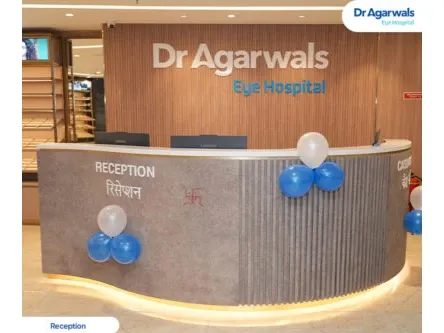
Dr Agarwals Eye Hospital - South Extension II, New Delhi
Address
D-16, South Extension - 2, South Extension II, New Delhi - 110049
Opening Hours
Mail ID
care@dragarwal.com
Phone
Non-Surgical Treatment Options for Myopia
Managing Myopia Without Surgery
Non-surgical approaches to myopia focus on correcting and, in some cases, slowing the progression of nearsightedness, particularly important for children and teenagers.
Available Options
These include prescription glasses, contact lenses, orthokeratology, and specialised myopia control lenses designed to reduce the rate of progression.
A Plan Built Around You
Our optometrists assess your degree of myopia and lifestyle to recommend the most suitable, comfortable non-surgical solution for clear everyday vision.
Regular Reviews as Your Eyes Change
Because myopia can change over time, particularly in growing children, we schedule periodic reviews to adjust your management plan as needed.
Our Diagnostic Approach
Regular vision and eye health checks help track how your prescription is changing, allowing timely adjustments to your management plan.
Related Search
Non-Surgical Treatment Options for Myopia
Managing Myopia Without Surgery
Non-surgical approaches to myopia focus on correcting and, in some cases, slowing the progression of nearsightedness, particularly important for children and teenagers.
Available Options
These include prescription glasses, contact lenses, orthokeratology, and specialised myopia control lenses designed to reduce the rate of progression.
A Plan Built Around You
Our optometrists assess your degree of myopia and lifestyle to recommend the most suitable, comfortable non-surgical solution for clear everyday vision.
Regular Reviews as Your Eyes Change
Because myopia can change over time, particularly in growing children, we schedule periodic reviews to adjust your management plan as needed.
Our Diagnostic Approach
Regular vision and eye health checks help track how your prescription is changing, allowing timely adjustments to your management plan.
Surgical Options for Myopia Correction
Considering Permanent Correction
Surgical myopia correction reshapes the cornea or adjusts the eye's focusing power, offering many patients long-term freedom from glasses or contact lenses.
Common Procedures
Options include LASIK, PRK, and implantable lens procedures, each suited to different degrees of myopia and corneal characteristics.
Expert Guidance Through Your Decision
Our surgeons conduct comprehensive assessments to determine your eligibility and recommend the safest, most effective procedure for your visual goals.
Making an Informed Choice
Our team walks you through the benefits, risks, and expected recovery of each procedure, helping you make a confident, well-informed decision about your vision.
Our Diagnostic Approach
Corneal thickness measurement and detailed eye mapping help determine which surgical technique is best suited to your individual eye shape.